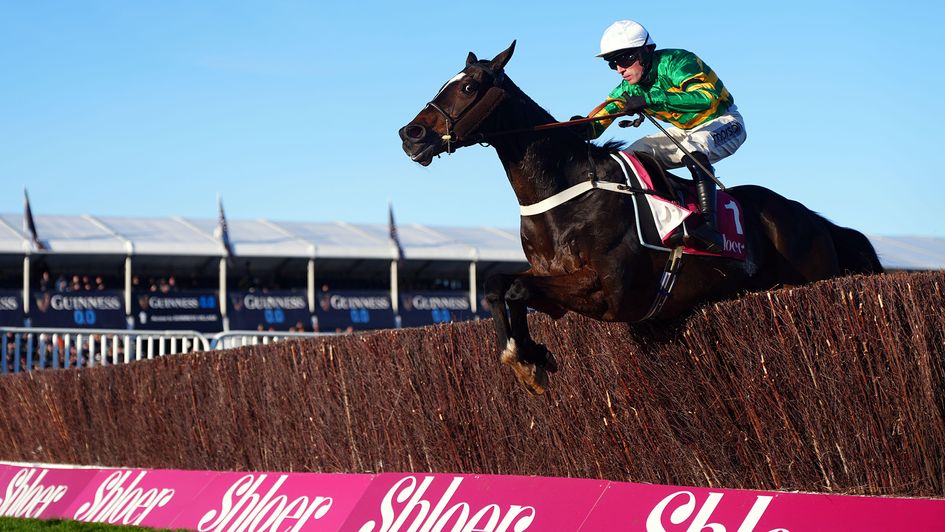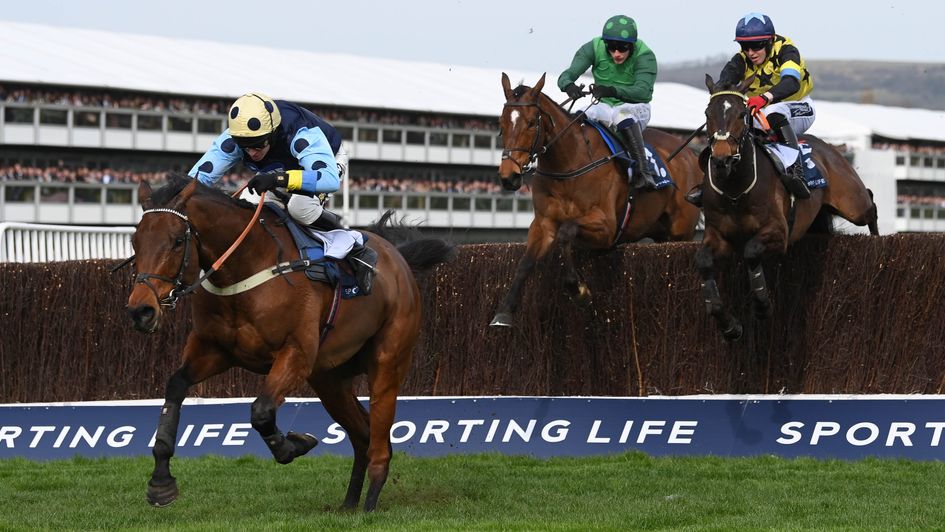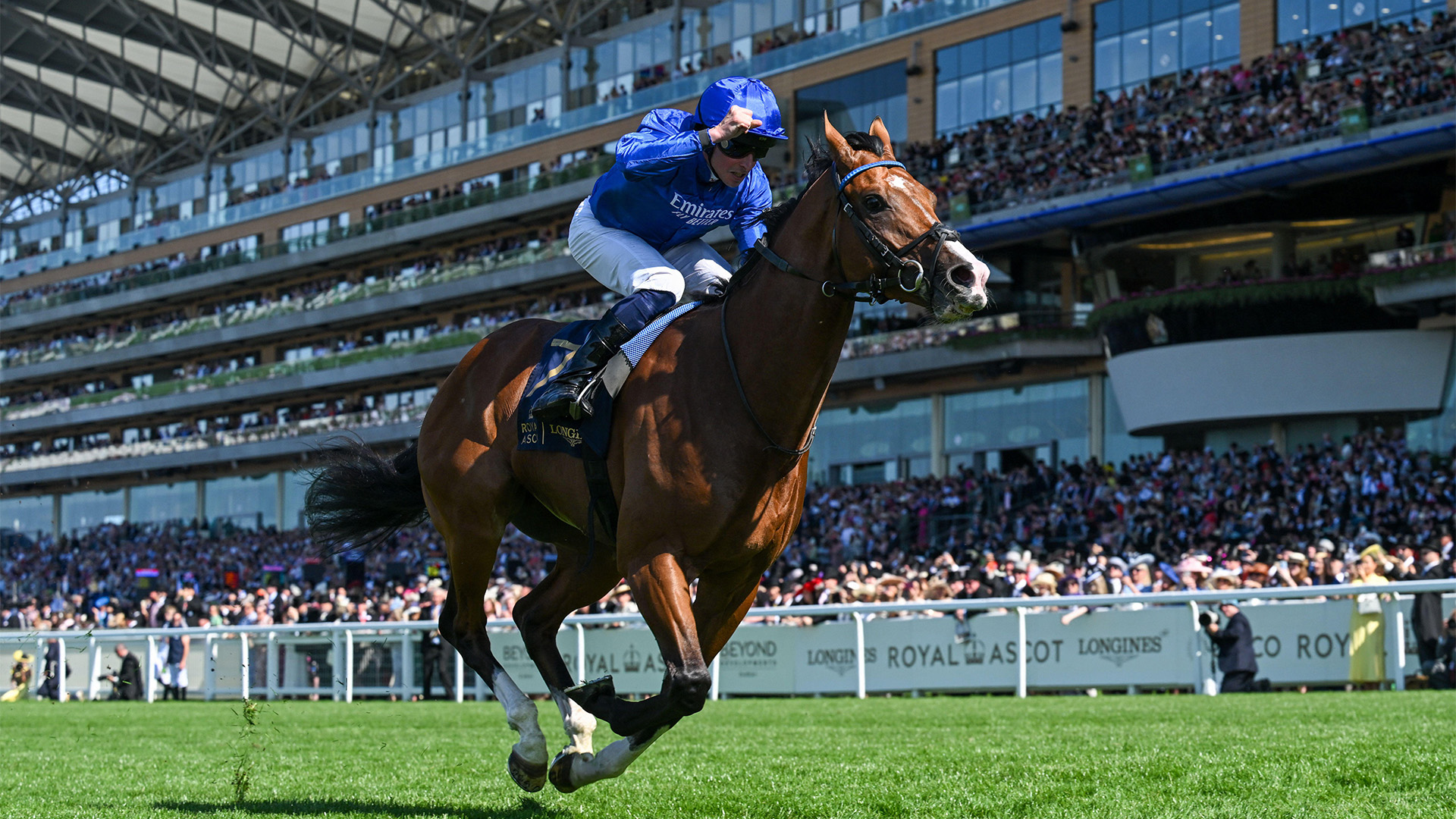
BETFAIR ROYAL ASCOT DAY 2 FREE BETS: BETFAIR WEDNESDAY OFFER & BETTING GUIDE FOR PRINCE OF WALES'S STAKES DAY 2026
Royal Ascot's second day traditionally delivers some of the most competitive and fascinating races of the entire week, with the Prince of Wales's Stakes headline act sitting alongside a card packed with Group race quality and punting intrigue. For Betfair Royal Ascot Day 2 in 2026, the Betfair Wednesday offer provides an excellent opportunity to engage with one of the sport's premier racing days through both the traditional Sportsbook and the unique dynamics of the Betfair Exchange Ascot markets.
Wednesday at Royal Ascot has evolved into arguably the most strategically challenging day of the meeting for serious punters. The Prince of Wales's Stakes regularly features genuine championship-level older horses, whilst supporting contests like the Queen Mary Stakes and Duke of Cambridge Stakes demand thorough analysis of emerging talent and established performers returning to peak conditions. The Betfair sign up offer allows new customers to approach this high-quality card with enhanced flexibility, whilst the Exchange platform offers opportunities to both back and lay runners at prices determined by market sentiment rather than traditional bookmaker margins.
At the time of writing, the Betfair welcome offer provides new customers with £30 in free bets when placing a qualifying £10 wager, creating three separate £10 tokens that can be deployed across the Day 2 card. This structure suits Royal Ascot's multi-race format particularly well, enabling measured engagement across several competitive heats rather than forcing concentration on a single event.
Betfair NEW CUSTOMER Offer
BET £10 GET £30 IN FREE BETS
Claim Offer HerePlace a min £10 bet on Sportsbook on odds of min EVS (2.0), get 3x £10 in Free Bet Builders, Accumulators or multiples to use on any sport. Rewards valid for 30 days. Only deposits via Pay by Bank, Apple Pay or Debit Card will qualify. T&Cs apply. Please Gamble Responsibly.
What Makes Royal Ascot Day 2 Distinctive in 2026
The second day of Royal Ascot occupies a unique position within the five-day festival. Unlike the opening Tuesday, which often carries the weight of anticipation and features the established sprint championship in the King Charles III Stakes, Wednesday's card balances proven championship quality with developmental contests that frequently produce future stars.
The Prince of Wales's Stakes serves as British flat racing's midsummer championship for the middle-distance division among older horses. Contested over ten furlongs, this Group 1 regularly attracts horses who have already proven themselves at the highest level, whether in previous seasons or earlier in the current campaign. The 2026 renewal arrives at a particularly interesting juncture in the European middle-distance landscape, with several routes into the race offering contrasting form narratives.
Some contenders may arrive via the Tattersalls Gold Cup at the Curragh, a traditional stepping stone that tests stamina reserves over a furlong further than Royal Ascot's ten-furlong examination. Others could emerge from Dubai World Cup night connections, bringing international form into the equation, whilst a select group might use the Prince of Wales's Stakes as a platform toward later-season targets like the King George VI and Queen Elizabeth Stakes or even the Prix de l'Arc de Triomphe.
The Queen Mary Stakes, contested by two-year-old fillies over five furlongs, represents one of juvenile racing's most revealing early-season examinations. Run on ground that can vary significantly depending on June weather patterns, this race demands a blend of precocious speed and tactical awareness that not all early-season performers possess. The 2026 edition features several fillies who impressed on their debuts during May, creating a fascinating puzzle around which trial form will translate to Royal Ascot's unique atmosphere and potential ground conditions.
The Duke of Cambridge Stakes brings together fillies and mares over the straight mile, typically attracting a cosmopolitan field mixing British, Irish, and occasionally French-trained runners. This Group 2 has historically served multiple purposes – as a redemption opportunity for Classic generation fillies seeking to establish credentials beyond three-year-old competition, as a target for progressive four-year-olds entering their peak seasons, and occasionally as a championship defence for established older mares.
Betfair Exchange Dynamics at Royal Ascot
The Betfair Exchange Ascot markets operate fundamentally differently from traditional fixed-odds bookmaking, creating strategic opportunities that particularly suit Royal Ascot's information-rich environment. On the Exchange, users can back selections at odds offered by other users willing to lay those bets, or alternatively lay horses themselves, effectively acting as the bookmaker.
During Royal Ascot week, Exchange liquidity reaches exceptional levels across all races, meaning substantial positions can be established and traded without dramatically moving prices. This depth of market creates several tactical advantages.
Firstly, late information regarding ground conditions, non-runners, or jockey changes can be exploited more efficiently on the Exchange than through traditional channels. When news breaks that shifts probability assessments, Exchange prices typically adjust rapidly but with transparency, allowing informed users to act before consensus forms.
Secondly, the ability to lay horses – betting against them rather than for them – opens strategies unavailable through conventional betting. In competitive handicaps or races featuring short-priced favourites with potential vulnerability, laying offers an alternative expression of analysis that doesn't require identifying the winner, merely excluding specific horses from victory.
Thirdly, Exchange markets allow position trading throughout Royal Ascot's racing hours. A backed horse whose price contracts can be laid at shorter odds to guarantee profit regardless of the result, whilst a laid horse drifting in the market can be backed at longer odds to achieve the same hedged position. This dynamic particularly suits Royal Ascot, where market moves frequently occur between races as information about ground conditions or trainer confidence circulates.
The Betfair Wednesday offer's free bet tokens function slightly differently on the Exchange compared to traditional bookmaker free bets. Whilst they cannot be traded or cashed out in the same way as customer funds, they provide risk-free opportunities to establish positions that can subsequently be managed through stakes placed with regular account balances.
PADDY POWER OFFER!
GET £40 IN FREE BETS
WHEN YOU PLACE A £5 BET
CLAIM THIS OFFER HERENew Customer offer. Place a min £5 bet on the sportsbook at odds of min EVS (2.0) and get £40 in free bets. Free bet rewards valid for 30 days. Only deposits via Pay by Bank, Debit Cards & Apple Pay will qualify for this offer. T&Cs apply. Please Gamble Responsibly.
Prince of Wales's Stakes Analysis 2026
The Prince of Wales's Stakes consistently produces tactical racing despite the relatively straightforward nature of Royal Ascot's round mile-and-a-quarter configuration. The race begins with a brief run to the first turn, sweeps through a gradual bend covering approximately three furlongs, enters the straight with over four furlongs remaining, and concludes with a sustained examination of stamina and finishing speed up the famous Ascot straight.
Fields typically number between six and ten runners, creating a fascinating dynamic where tactical pace scenarios vary significantly based on the specific horses entered. When the field includes proven front-runners or horses whose trainers prefer aggressive tactics, the race can develop into a genuine stamina test. Conversely, years featuring multiple hold-up performers occasionally produce steadier early fractions before explosive acceleration in the final three furlongs.
At the time of writing, the 2026 Prince of Wales's Stakes market reflects several distinct form narratives. The leading contenders include horses who excelled during the 2025 season and return seeking to confirm their class, alongside a select group of lightly-raced improvers attempting to announce themselves at championship level.
The favourite's profile typically combines proven Group 1 success at a similar distance with positive indicators from recent work or trial performances. However, the Prince of Wales's Stakes market historically demonstrates significant value opportunities when apparent second-tier contenders possess specific advantages – superior tactical positioning given likely pace scenarios, fresher profiles having raced less frequently than market leaders, or proven Royal Ascot course form that others lack.
One analytical approach involves assessing each contender's optimal racing circumstances and comparing those requirements with the likely race shape. A horse requiring strong pace to aim at will face challenges if the field lacks natural front-runners. Conversely, horses needing tactical cover and a sprint finish depend on sufficient early speed to prevent the race becoming a test of sustained galloping from deep positions.
The ground conditions typically encountered on Royal Ascot Wednesday – usually good to firm unless significant rainfall intervenes – favour horses who can quicken effectively in the straight rather than those relying purely on sustained stamina. The final three-furlong section rewards explosive acceleration, making previous course form at Royal Ascot or on similarly quick surfaces a valuable reference point.
Queen Mary Stakes Tactical Considerations
The Queen Mary Stakes presents entirely different analytical challenges compared to the Prince of Wales's Stakes. Two-year-old fillies in early June possess limited form credentials, with most contenders having raced just once or twice before facing Royal Ascot's intense atmosphere and competitive field.
The five-furlong distance run on the straight course demands both pure speed and sufficient tactical awareness to handle the experience. Fillies drawn high (toward the stands' side) face marginally longer journeys to the rail if they cross, whilst those drawn low must ensure they don't become trapped against the rail if the field gravitates toward the centre of the track as racing progresses.
Early-season juvenile races often produce misleading form as subsequent developments reveal whether impressive debut winners faced weak opposition or genuinely possessed significant ability. The Queen Mary Stakes field typically includes fillies from several distinct form paths: those who won comfortably on debut and confirmed the promise with a second victory; newcomers from powerful stables making their debuts at Royal Ascot; and horses who ran second or third first time out but represent trainers with strong records of improvement.
The betting market for the Queen Mary Stakes can demonstrate volatility as stable confidence signals emerge through the betting exchanges and traditional markets. The Betfair Exchange Ascot market for this race frequently shows dramatic price movements in the hours before racing, reflecting information from connections about how individual fillies have handled the journey, the atmosphere, and final preparations.
One productive approach involves comparing debut performance metrics – winning margins, speed ratings, sectional times where available – whilst accounting for the varying quality of opposition faced. A filly who won her debut by four lengths may have faced superior competition to one who won by six lengths, making direct margin comparisons incomplete without context.
Trainer records at Royal Ascot, particularly in two-year-old races, provide valuable supplementary information. Certain stables demonstrate consistent ability to prepare juveniles for the unique demands of the meeting, whilst others show weaker conversion rates despite success elsewhere. These patterns reflect preparation methods, travel management, and experience handling the specific pressures Royal Ascot creates.
Duke of Cambridge Stakes Market Assessment
The Duke of Cambridge Stakes over one mile straight frequently attracts cosmopolitan fields featuring British, Irish, and occasionally French-trained fillies and mares. The race sits in the calendar at an interesting juncture for the older female division – early enough in the season that some runners arrive relatively fresh, but sufficiently deep into the campaign that genuine fitness and form can be established.
The straight mile at Royal Ascot traditionally favours horses who can produce sustained speed rather than those relying on late kick alone. The configuration lacks the tactical complexity of races featuring turns, meaning positional advantage holds less importance than pure ability to maintain speed throughout the contest. Horses drawn high face marginal disadvantages if the field gravitates toward the stands' rail, whilst extremely low draws risk becoming boxed if the early pace proves steady.
At the time of writing, the 2026 Duke of Cambridge Stakes market features several four-year-old fillies attempting to establish themselves beyond Classic generation, alongside more experienced mares seeking to confirm their class. The price differentials in the market reflect assessments of which horses genuinely improved during the winter versus those whose reputations rest on achievements now twelve or more months old.
The race's Group 2 status positions it below championship level but above typical conditions company, creating interesting dynamics around horses dropping back from Group 1 attempts versus those stepping up in grade. Fillies who contested 1000 Guineas or other mile Classics often appear in the Duke of Cambridge Stakes seeking compensation, their class potentially offsetting any tactical naivety or residual fitness questions following the Classic.
One valuable analytical framework involves assessing each contender's most recent performance trajectory. Horses returning from extended breaks carry obvious fitness questions despite whatever workouts suggest, whilst those racing too frequently may have left their peak efforts in previous starts. The Duke of Cambridge Stakes rewards horses arriving with optimal preparation – fresh enough to produce maximum effort, experienced enough to handle Royal Ascot's occasion.
Sky Bet Exclusive
£50 in FREE HORSE RACING BETS
WHEN YOU PLACE A £10 BET
CLAIM OFFER HERENew customers only. £10 minimum deposit. First single, e/w or multiples bet only. Odds of 1/1 or greater. 5 x £10 bet tokens for Horse Racing multiples only. Free bet stakes not included in returns. Free Bets are non-withdrawable. Free Bets expire after 7 days. Eligibility restrictions and further T&Cs apply.
Betfair Sign Up Offer Strategic Deployment Across Day 2
The Betfair sign up offer's structure of three separate £10 free bet tokens particularly suits Betfair Royal Ascot Day 2's multi-race format. Rather than concentrating resources on a single event, the offer enables measured engagement across several races, spreading risk whilst maintaining exposure to the day's quality.
One strategic approach involves allocating the three tokens across different race types to balance risk profiles. The Prince of Wales's Stakes, typically featuring smaller fields of proven Group 1 performers, offers less numerical variance but requires accurate assessment of championship-level form. The Queen Mary Stakes presents larger fields with less established credentials, creating potentially larger odds about contenders whose form could prove superior to market recognition.
The Duke of Cambridge Stakes sits between these extremes – competitive fields but with more form substance than juvenile races, offering opportunities where careful pace and tactical analysis might identify overlooked contenders.
Alternatively, the three tokens could target different betting styles across the card. One might back a relatively short-priced selection in the Prince of Wales's Stakes where confidence in the selection justifies accepting modest returns. Another could oppose a potentially vulnerable favourite through the Exchange's lay functionality in a more open contest. The third might target a longer-priced contender in a competitive handicap, accepting higher risk in pursuit of meaningful returns.
The Exchange platform's unique characteristics mean free bet tokens can establish positions subsequently managed through trading with customer funds. A free bet backing a horse at 5.0 could be laid at 3.0 if the price contracts before racing, guaranteeing profit regardless of result whilst preserving the free bet stake value.
Ground Conditions and Their Impact on Day 2 Selections
June weather patterns in Berkshire create variable ground conditions at Royal Ascot, though the track's excellent drainage and maintenance typically produce good or good to firm ground unless sustained rainfall intervenes. The 2026 meeting's second day ground conditions at the time of writing appear likely to favour horses effective on quicker surfaces, though weather forecasts remain subject to change.
Ground conditions impact the various races differently. In the Prince of Wales's Stakes, quicker ground traditionally favours horses with tactical speed and effective finishing kicks rather than pure stamina types who prefer softer surfaces that reward sustained galloping. The straight ten furlongs becomes a sharper test on good to firm ground, with the final three furlongs demanding explosive acceleration rather than relentless rhythm.
For the Queen Mary Stakes, ground conditions can prove decisive given two-year-old fillies' limited experience adapting to varying surfaces. Juveniles who impressed on soft ground debut may face entirely different tactical demands on quick surfaces, whilst those who showed speed on firm ground possess more directly relevant experience. Pedigree analysis becomes more valuable when ground conditions deviate from typical June patterns, with sire and broodmare influences providing clues about surface preferences.
The Duke of Cambridge Stakes over the straight mile typically suits horses effective on faster ground, as the configuration rewards sustained speed rather than stamina. However, individual runners' preferences vary significantly, making verification of previous performances on similar going an important analytical step.
Weather developments during Royal Ascot week can shift ground descriptions and subsequently alter tactical requirements and preferred running styles. The Betfair Exchange markets reflect these adjustments rapidly, creating opportunities for users monitoring conditions and assessing implications before broader consensus develops.
Best Betting Approach for Betfair Royal Ascot Day 2
The strategic deployment of the Betfair welcome offer across Royal Ascot's second day should begin with thorough analysis of each race's likely pace dynamics, ground conditions, and individual contender profiles. Rather than forcing selections to exhaust available free bets, disciplined analysis might identify only one or two genuine opportunities where assessment suggests the market has mispriced probabilities.
In the Prince of Wales's Stakes, the most productive approach involves detailed comparison of each contender's optimal racing circumstances with the likely race shape. The favourite frequently represents solid value when its profile suggests versatility across different pace scenarios, course form at Royal Ascot, and proven effectiveness on the prevailing ground conditions. However, the second or third choice in the market occasionally offers superior risk-reward profiles when their specific requirements align more precisely with expected circumstances.
The Betfair Exchange allows both backing horses in the traditional sense and laying runners whose prices appear too short given their vulnerability. In a Prince of Wales's Stakes field of eight runners, laying one or two contenders whose prices underestimate their potential weaknesses can provide better risk-reward dynamics than attempting to identify the winner among six or seven plausible victors.
For the Queen Mary Stakes, the challenge involves assessing limited form evidence and distinguishing genuine quality from inflated reputations built on weak opposition. The fillies showing superior speed figures on debut whilst facing reasonable competition represent sounder propositions than those posting large winning margins against poor rivals. Stable confidence, reflected through market support and betting exchange movements, provides additional context though should not override fundamental form assessment.
The Duke of Cambridge Stakes rewards analysis focused on recent performance trajectories and optimal trip preferences. Fillies dropping back from Classic attempts occasionally demonstrate superior class despite market perceptions focusing on their defeats rather than the quality of opposition faced. Conversely, horses stepping up from Group 3 or Listed level sometimes possess specific tactical or surface advantages that compensate for apparent class deficits.
One often-overlooked tactical approach involves monitoring Betfair Exchange Ascot markets for each race during Royal Ascot's racing hours. As earlier results reshape perceptions about ground conditions, jockey tactics, or pace patterns, subsequent race markets adjust. Horses drawn in berths that proved advantageous earlier on the card may attract shortening prices, whilst those facing less favoured positions drift. These movements create opportunities to oppose over-bet horses or support overlooked contenders before broader market consensus develops.
Conclusion: Maximising the Betfair Wednesday Offer at Royal Ascot 2026
Royal Ascot Day 2 in 2026 presents a compelling blend of championship-level racing in the Prince of Wales's Stakes, developmental intrigue in the Queen Mary Stakes, and competitive quality throughout the supporting card. The Betfair Royal Ascot Day 2 package combines new customer offer value with the strategic possibilities unique to the Exchange platform.
The Betfair Wednesday offer's three £10 free bet tokens enable measured engagement across multiple races rather than forcing concentration on single events. This structure suits Royal Ascot's multi-race format particularly well, allowing deployment across different race types with varying risk profiles.
The Prince of Wales's Stakes market at the time of writing suggests reasonable value in the leading contenders, though careful assessment of pace scenarios and ground condition preferences may identify overlooked opportunities among horses priced between 5.0 and 10.0. The Queen Mary Stakes demands analysis focused on debut performance quality adjusted for opposition strength, with stable confidence and market movements providing supplementary context. The Duke of Cambridge Stakes rewards focus on recent form trajectories and horses arriving at optimal points in their seasonal preparation.
The Betfair Exchange Ascot markets' unique characteristics – the ability to lay horses, trade positions, and access liquidity-driven pricing rather than bookmaker margins – create additional strategic possibilities throughout Royal Ascot Day 2. Combined with the new customer offer's risk-free tokens, this platform enables sophisticated engagement with one of flat racing's premium occasions.
For bettors new to Betfair, Royal Ascot's second day provides an excellent introduction to both traditional Sportsbook betting and Exchange market dynamics. The quality of racing rewards thorough analysis, whilst the offer structure enables exploration of different strategic approaches across a world-class card.
18+ only. New customers only. T&Cs apply. Please Gamble Responsibly. BeGambleAware.org