Tyson Fury Tactical Analysis: How he can beat Makhmudov
Tyson Fury vs Arslanbek Makhmudov is a tactical puzzle that requires the former champion to revisit the elusive fundamentals of his early career while incorporating the veteran "spoiling" techniques he has mastered in recent years.
To secure a victory at the Tottenham Hotspur Stadium, Fury must dismantle the straightforward, high-pressure style of Makhmudov without exposing his own chin to the Russian’s devastating right hand. This analysis explores the technical adjustments and strategic phases Fury must implement to neutralise one of the division’s most dangerous punchers.
Sky Bet Exclusive
50/1 TYSON FURY TO WIN
CLAIM OFFER HERENew customers only. Eligibility restrictions. Further T&Cs apply.
Phase One: The Long-Range Jab and Visual Disruption
The foundation of any successful Fury performance is the lead jab. Against Makhmudov, this tool serves a dual purpose: scoring points and defensive management. Because Makhmudov relies on "setting his feet" to launch power shots, Fury must use a constant, non-committal flicker jab to disrupt the challenger’s vision.
By keeping a glove in Makhmudov’s line of sight, Fury prevents him from timing the big overhand rights that are his trademark. This is not about landing heavy blows early, but about creating a "cluttered" environment where Makhmudov feels he cannot find a clear opening. If Fury can maintain a distance of at least five feet using his 85-inch reach, he effectively renders Makhmudov’s shorter-range hooks useless.
Phase Two: Lateral Movement and the "Step-Around"
Technical analysis of Makhmudov’s 2023 loss to Agit Kabayel provides a blueprint for Fury. Makhmudov struggles with opponents who do not move in straight lines. Fury must avoid the ropes at all costs, instead using lateral movement to circle to his left (away from Makhmudov’s right hand).
By constantly changing the angle of the engagement, Fury forces Makhmudov to "reset" his lead foot. This process is physically taxing for a 265 lb fighter and prevents the Russian from building the momentum he needs to land a knockout blow. Fury’s ability to "pivot and exit" after landing a 1-2 combination will be the deciding factor in whether he can frustrate Makhmudov into making reckless mistakes.
Phase Three: Clinical Clinching and Weight Distribution
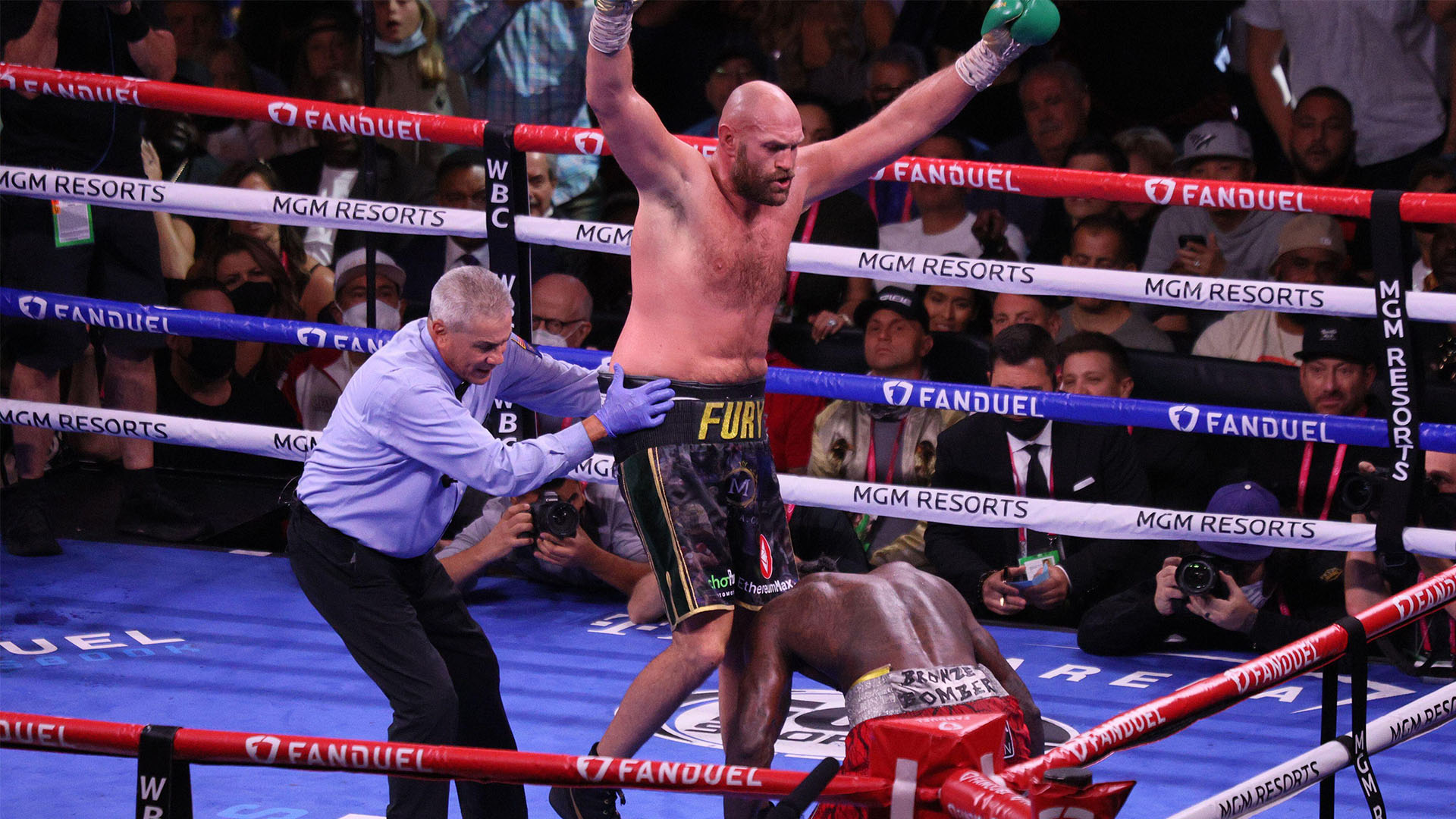
If Makhmudov does manage to penetrate the outer guard, Fury must be clinical in his application of the clinch. This was a staple of his victories over Deontay Wilder. By initiating a tie-up as soon as Makhmudov enters the pocket, Fury can lean his substantial frame on the challenger.
At 6'9", Fury can rest his chest and arms on Makhmudov’s shoulders, forcing the younger man to carry his weight. This "mauling" tactic is designed to drain the explosive energy from a puncher’s legs and arms. In the middle rounds (Rounds 5-8), this cumulative fatigue will likely see Makhmudov’s punching power drop significantly, allowing Fury to take more offensive risks in the latter stages of the fight.
Phase Four: The Southpaw Shift
Fury’s ability to box comfortably from the southpaw stance is a tactical "wildcard." Switching to southpaw would move Fury’s lead foot outside of Makhmudov’s, creating a difficult angle for the Russian’s straight right. It also opens a direct lane for Fury’s straight left hand to Makhmudov’s midsection. Given Makhmudov’s history of taking a few rounds to adjust to rhythm changes, a sudden shift in stance in the fourth or fifth round could allow Fury to steal rounds and disrupt the challenger’s confidence.
Tactical Scenarios for Success
For Fury to win, he must target a disciplined points victory. While a stoppage is possible if Makhmudov tires, the path of least resistance is a 117-111 or 118-110 scorecard.
Rounds 1-4: High-volume feinting, circling, and long-range jabbing.
Rounds 5-9: Increased clinch work, body punching, and "spoiling" tactics to exhaust the opponent.
Rounds 10-12: Sharp counter-punching as Makhmudov becomes desperate and leaves gaps in his guard.
Expert Reasoning: Technical Discipline vs Instinct
The primary risk for Fury is his own instinct for "showboating." In his 2024 fights against Usyk, he often stayed in the pocket too long, attempting to prove he could out-trade a smaller man. Against Makhmudov, that lack of discipline would be fatal. The expert consensus is that Fury wins if he treats this as a "hit and don't be hit" exercise. By utilising his superior ring IQ and the physical advantages of his height and reach, he can turn a dangerous shootout into a one-sided boxing lesson.
.jpg)






.jpg)