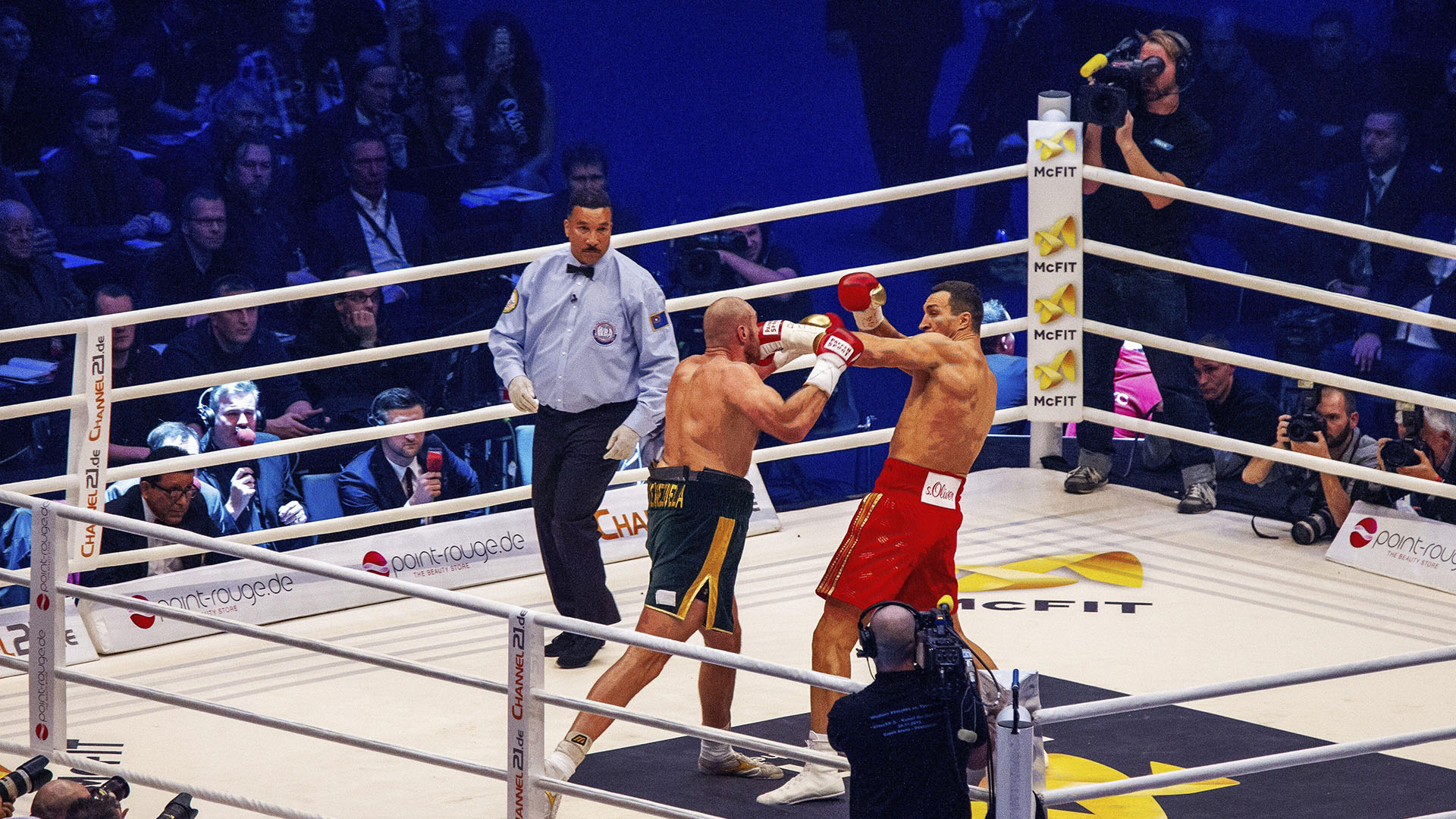
Tyson Fury vs Arslanbek Makhmudov: Date, Time and How to Watch on Netflix
Tyson Fury vs Arslanbek Makhmudov takes place on Saturday 11 April 2026 at Tottenham Hotspur Stadium, marking one of the most intriguing heavyweight events of the year and a flagship moment in Netflix’s continued expansion into elite-level live sport.
The streaming platform has positioned the bout as a global headline event, with a structure that mirrors major pay-per-view cards while remaining accessible to all subscribers. For Fury, it marks yet another return to the ring in a career defined by dramatic shifts, retirements, revivals, and larger-than-life narratives. For Makhmudov, it is the biggest stage of his professional life — the moment where a long-running reputation as a dangerous contender gives way either to legitimised elite status or a hard ceiling.
Sky Bet Exclusive
50/1 TYSON FURY TO WIN
CLAIM OFFER HERENew customers only. Eligibility restrictions. Further T&Cs apply.
The Importance of the Event
This bout is significant beyond the fighters involved. Netflix’s move into combat sports has disrupted traditional broadcast models and introduced an unpredictable new commercial environment. The Fury–Makhmudov card is a proving ground for the streaming giant’s ambition. Declining pay-per-view performance across certain territories, combined with an increasingly fragmented rights landscape, has opened the door for global players to reshape how fans watch major fights.
There is also the backdrop of Fury’s recent career choices. The former heavyweight champion has taken an unconventional route since losing his world titles, opting for selective high-profile matchups rather than a linear path back to a belt. This fight fits that pattern: dangerous enough to carry credibility, commercially large enough to warrant a stadium, but not tied to an immediate title consequence.
Date, Time and Broadcast Structure
The event is scheduled for Saturday 11 April 2026. Tottenham Hotspur Stadium has become a reliable venue for major boxing occasions, combining capacity with infrastructure and the flexibility to host large-scale staging, camera rigs, and broadcast operations.
Main Card Start Time: The Netflix stream begins at approximately 2 p.m. ET, with regional start times differing across territories. UK viewers can expect an early evening main card, with the stadium undercard bouts beginning earlier in the afternoon. Netflix typically structures these events with a consistent broadcast flow: preliminary fights accessible across its broader content ecosystem, followed by a dedicated main-card window where Fury’s ring walk serves as the culminating moment.
Why Netflix Matters Here
The platform’s approach is deliberately simple: no additional paywall, no tiered access, and no separate purchase requirement. For subscribers, this removes several friction points traditionally associated with big-fight coverage. For the sport, it introduces new questions about long-term monetisation, sponsorship alignment, and the sustainability of platform-funded mega-events.
From the fan’s perspective, it means a far wider global audience than boxing has been accustomed to in the pay-per-view era. Netflix’s built-in subscriber base across North America, Europe, South America and parts of Asia ensures the fight will be accessible in regions where traditional PPV models have struggled.
The Sporting Context
Fury enters as one of the most recognisable heavyweights of the modern era, even as questions persist about consistency, long-term conditioning, and the psychological volatility that has defined stretches of his career. His skillset remains rooted in awkward movement, range manipulation, feints, and the ability to disrupt rhythm at all distances. Even when not at his peak, Fury’s ring IQ allows him to find ways through difficult stretches.
Makhmudov, by contrast, brings a simpler, more direct approach: physicality, forward momentum, and concussive power. His professional career has been built on early-round dominance, often overwhelming opponents through sheer pressure. While he lacks Fury’s technical breadth, his attributes pose genuine danger — particularly if the fight settles into straight-line exchanges. The intrigue lies in whether Makhmudov can impose his preferred tempo on a fighter who specialises in denying rhythm.
How the Fight Could Play Out
The early rounds are likely to tell the story. Fury tends to use the opening stages to gather information, manipulate distance, and identify patterns in his opponent’s approach. Against a heavy puncher like Makhmudov, those rounds carry heightened risk. Fury’s historical vulnerability to short right hands and moments of defensive complacency raises the possibility of early jeopardy, but his movement and size remain significant advantages.
Makhmudov’s best route involves cutting the ring, forcing heavy exchanges, and preventing Fury from settling into his usual mix of feints and long-range jabs. If Fury is able to control distance, lean inside selectively, and change the pace irregularly, he can drain the Russian’s energy and reduce the threat potential as the rounds progress.
What Viewers Should Expect on the Broadcast
- Netflix’s production approach typically provides:
- Multiple language commentary streams
- Pre-fight shoulder programming
- A consistent on-screen interface with round-by-round scoring graphics
- Post-fight analysis teams drawing from boxing and broader sporting talent
- The broadcast is designed for mainstream accessibility rather than hardcore niche coverage, though technical detail is woven in through on-air analysts.
Final Notes on Viewing
For global audiences, the most important detail is the simplicity: if you have a Netflix subscription, you can watch the entire Fury vs Makhmudov card live. No geographic add-ons, no PPV codes, no separate purchase process. With one of sport’s most unpredictable heavyweights returning and a raw, dangerous contender standing opposite him, the streaming giant is banking on a compelling spectacle — and on boxing’s unique ability to draw global attention.











.jpg)



.jpg)