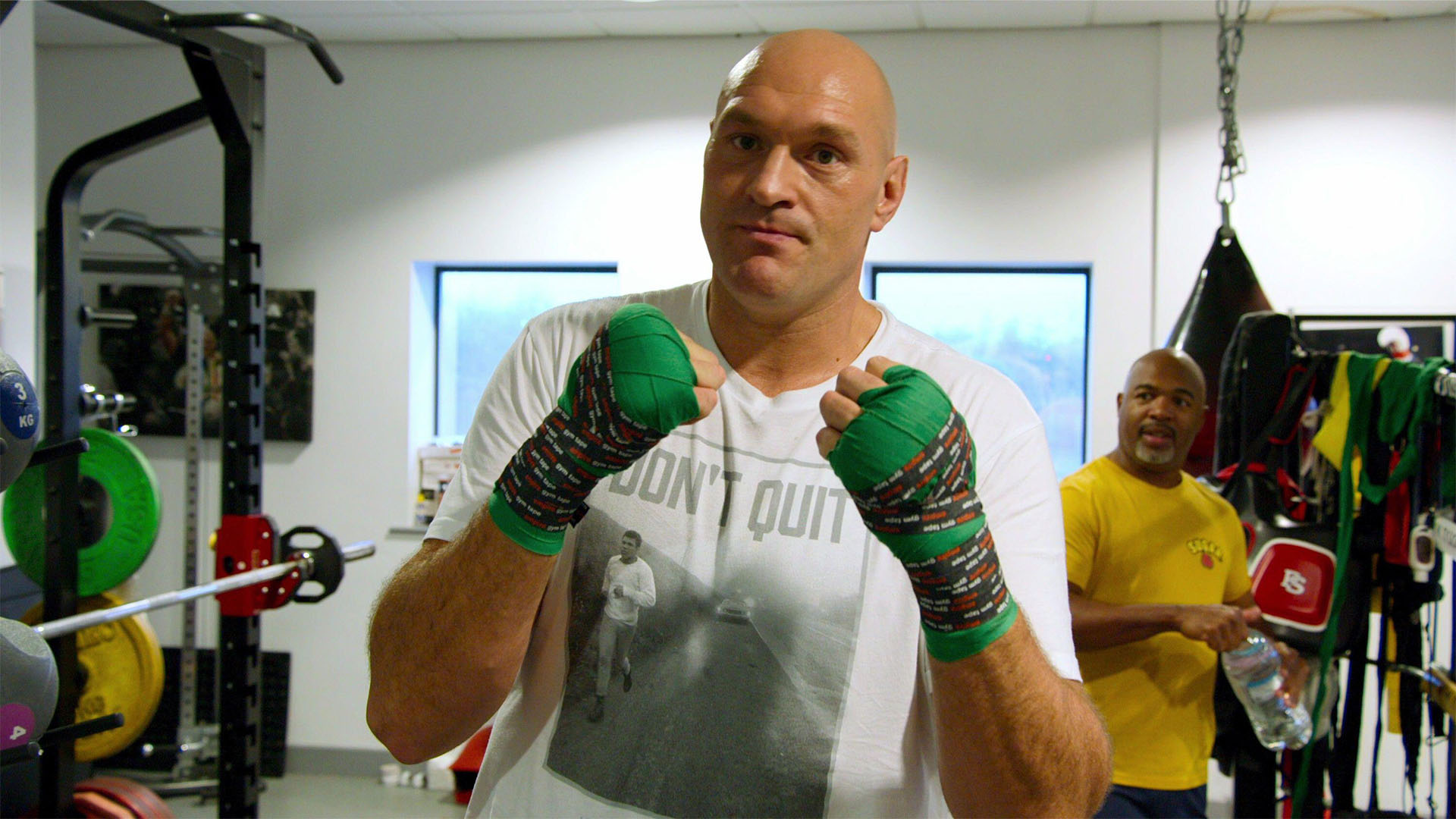
Fury vs Makhmudov: Fight Rules and Classification
Fury vs Makhmudov is classified as a 12-round professional heavyweight boxing contest, sanctioned under the unified rules used across major international commissions. While this may sound straightforward, understanding the ruleset and structural elements is essential for appreciating the tactical and strategic layers that define a bout of this magnitude.
Sky Bet Exclusive
50/1 TYSON FURY TO WIN
CLAIM OFFER HERENew customers only. Eligibility restrictions. Further T&Cs apply.
The Basic Framework of the Contest
At its core, the fight adheres to the standard rules governing elite-level heavyweight boxing:
- 12 scheduled rounds of three minutes each
- 10-ounce gloves, as dictated by division and commission requirements
- Standing eight-count not typically used under unified rules
- Three-judge scoring system, with each round assessed using the 10-point must system
- Neutral referee appointed by the governing commission
- Instant replay availability depending on local jurisdiction
This structure creates an environment where endurance, concentration, and adaptability become as important as raw power or technical skill. Heavyweight contests can shift dramatically — a single moment can override long stretches of accumulated scoring work.
Scoring Criteria Explained
Judges assess rounds using four primary metrics:
- Clean punching
- Effective aggression
- Ring generalship
- Defence
These criteria reward fighters who control tempo, dictate positioning, and land meaningful scoring shots while minimising damage. For a matchup like Fury vs Makhmudov, the scoring dynamic is particularly intriguing. Fury’s historical strength lies in manipulating ring generalship — controlling distance, nullifying exchanges, and creating rounds where opponents struggle to establish rhythm. Makhmudov’s strength lies in clean, concussive punching power, especially early.
The challenge for judges is balancing Fury’s subtler scoring work with Makhmudov’s visible power moments. A round where Fury lands a series of jabs and controls space can be weighed against a single heavy blow from Makhmudov, depending on impact, timing, and momentum.
Knockdowns and Technical Decisions
If a fighter is knocked down, it results in a 10-8 round unless the other fighter scores a knockdown of their own. Two knockdowns in a round often produce a 10-7 score, though judges can deviate based on dominance level.
Technical decisions — such as accidental clashes of heads resulting in cuts — are governed by round thresholds. If an accidental foul ends the fight before the fourth round, the bout is typically ruled a no contest. After the fourth, it goes to the scorecards.
Tactical Consequences of the Rules
The ruleset pushes both fighters toward specific strategic behaviours.
For Fury, the emphasis will be on:
- Using feints to freeze Makhmudov’s forward movement
- Maximising long-range output
- Clinching intelligently to break rhythm
- Forcing Makhmudov to reset repeatedly
The referee’s interpretation of clinching is a key variable. Some officials penalise prolonged holding early; others allow more latitude, especially when a fighter is using clinches to neutralise power.
For Makhmudov, the rules encourage:
- High-effort early rounds
- Body-punching to limit Fury’s mobility
- Cutting the ring rather than following in straight lines
- Maintaining punching form to avoid warnings for hitting behind the head or pushing
Fouls and Enforcement
Common fouls include:
- Rabbit punches
- Low blows
- Excessive holding
- Hitting on the break
- Using the forearm while punching
- Back-of-the-glove swipes
Given Makhmudov’s style, referees may need to monitor the back-of-the-head area more carefully, particularly in inside exchanges. Fury, known for subtle holding and framing, must avoid warnings that could alter the fight’s momentum.
Replay, Review and Modern Oversight
Some jurisdictions now allow limited replay for specific scenarios:
- Clarifying whether a blow was legal
- Determining whether a knockdown was legitimate
- Assessing accidental vs intentional fouls
While replay rarely changes outcomes, its presence reflects modern efforts to increase fairness without disrupting flow.
What Classification Means for Viewers
The 12-round format demands physical and mental consistency. Heavyweights with high knockout rates often struggle over extended distances when forced to maintain pace. Fury has historically shown excellent conditioning across long fights; Makhmudov remains a question mark in this department. The rule structure therefore favours the more adaptable fighter.
Contextual Importance
This fight sits outside the immediate world-title picture but carries ranking and reputational implications. For Makhmudov, a win would position him among the top tier of heavyweights. For Fury, it is part of a broader narrative of selective high-profile matchups — a demonstration of continued relevance rather than a mandatory step toward a belt.
Final Thought
Understanding the rules helps contextualise the tactical possibilities. Fury’s skillset thrives under a scoring system that rewards subtle control; Makhmudov’s threat lies in the knockout potential that can override those subtleties. The contest’s classification as a full 12-round bout ensures that both men must balance their attributes across a demanding structure — one that has defined heavyweight boxing for decades.
.jpg)
.jpg)
.jpg)
.jpg)
.jpg)
.jpg)

.jpg)

.jpg)



.jpg)
.jpg)