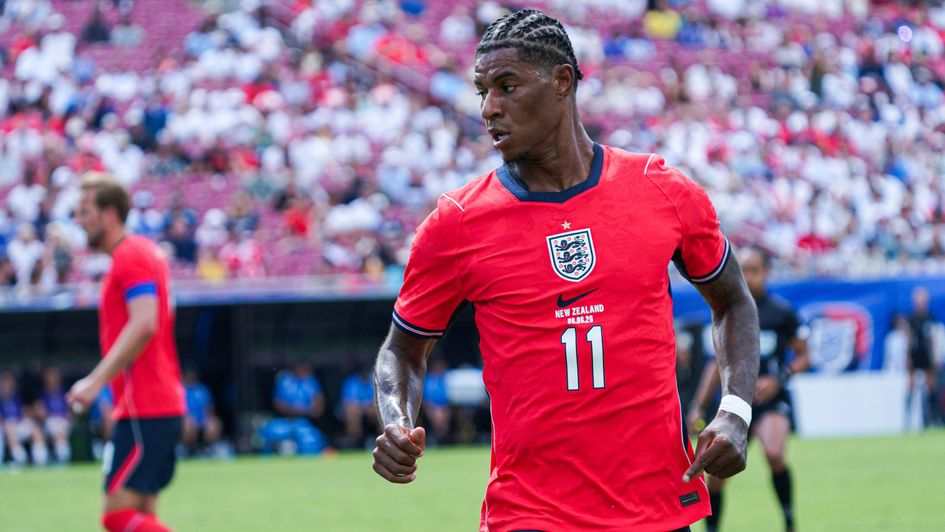
There are few players in world football whose career can feel simultaneously on the brink and full of possibility quite like Marcus Rashford.
At 28, he should be entering the undisputed prime years of his career. Instead, he arrives at the 2026 World Cup carrying questions that would have seemed unthinkable three years ago.
Questions about his club future. Questions about his consistency. Questions about whether he can still be the devastating force who once looked destined to become one of Europe's elite forwards.
Yet England may ultimately benefit from all that uncertainty, because if there is one thing Rashford has never lacked, it is motivation when he has something to prove.

His performance in England’s 1-0 World Cup warm-up victory over New Zealand on June 6 offered an encouraging glimpse of what might be to come.
Harry Kane grabbed the winning goal, but Rashford was arguably England’s most threatening attacker during his first-half appearance. He repeatedly drove at defenders, created chances, delivered dangerous crosses and looked eager to make things happen whenever he received possession.
Thomas Tuchel’s side lacked fluency for long periods, but Rashford’s directness stood out.
That should excite England supporters. Tournament football often comes down to moments. A dribble. A burst of pace. A defender beaten one-on-one. The ability to create something from nothing. Rashford remains one of the few players in the England squad capable of doing exactly that.
The challenge, of course, is ensuring that version of Rashford turns up consistently.
Few England careers have been quite so difficult to pin down. There have been prolonged spells where he has looked like a genuine world-class attacker. The 2022-23 season remains the obvious example, when he scored 30 goals for Manchester United and appeared unstoppable for large stretches.
There have also been periods where confidence, form and momentum seemed to abandon him almost entirely.
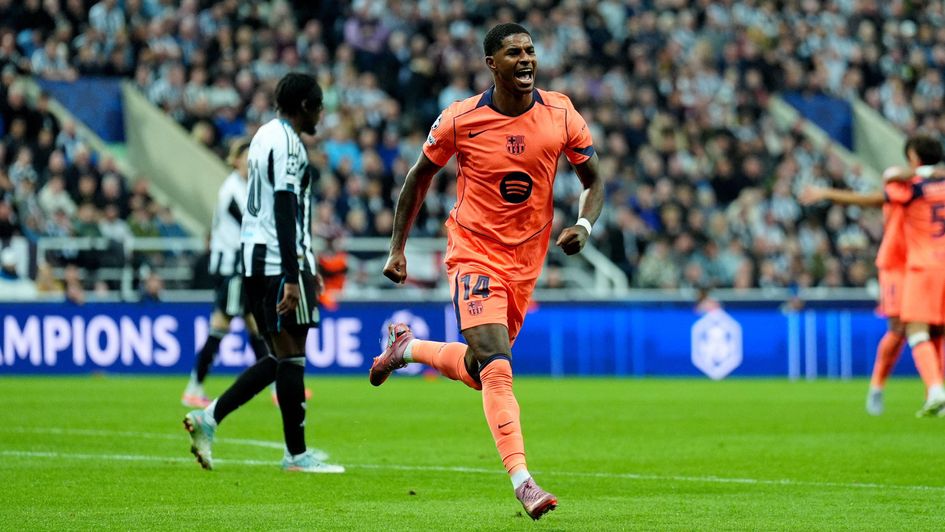
That inconsistency has helped create the unusual situation he finds himself in today. Twelve months ago, a move to Barcelona appeared to offer the perfect escape route. The loan switch gave him a fresh environment, a fresh challenge and the opportunity to rebuild his reputation away from the relentless scrutiny that accompanies life at Manchester United.
There were positive moments in Spain and enough flashes to suggest he still possessed the qualities that made him one of Europe's most feared transition attackers.
But football moves quickly. Barcelona’s recent decision to spend around £70 million on Anthony Gordon leaves Rashford’s long-term future looking uncertain once again.
Meanwhile, his position at Manchester United remains unclear. The club’s rebuild has continued without him as a central figure, and his enormous salary – reportedly £300,000 per week – inevitably complicates any potential transfer discussions.
The result is that Rashford enters this World Cup playing for something bigger than just international success. In a very real sense, he is playing for his next club.
That’s not because clubs have forgotten his talent. Far from it. Every sporting director in Europe knows exactly what Rashford can do when operating at his best. The problem is convincing potential suitors that the best version of Rashford is still the version they are most likely to get.
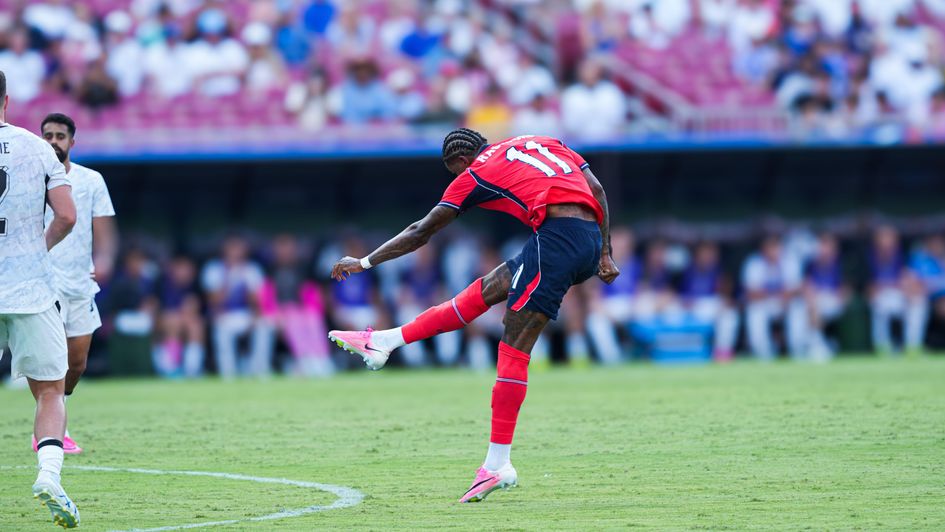
That is where this tournament becomes so important. The World Cup remains football's greatest shop window. A strong month can alter perceptions instantly. Players who spend an entire club season struggling can leave a World Cup with their reputations transformed.
Clubs are always reluctant to admit it, but major tournaments influence transfer markets more than they care to acknowledge.
If Rashford produces a series of dynamic performances in North America, suddenly the conversation changes.
Instead of discussing an expensive gamble, clubs start discussing a proven international forward who delivered on the biggest stage. Instead of worrying about inconsistency, they focus on explosiveness. Instead of questioning his value, they start calculating how he could fit into their own attack.
England should be delighted by that possibility. There is often a temptation to view external distractions as a negative heading into major tournaments. In reality, they can sometimes be a powerful source of motivation. Players with something to prove frequently become dangerous tournament performers.
In 2022, Rashford perfectly embodied that theory.
He arrived in Qatar after one of the most difficult periods of his career and responded by scoring three goals in five appearances. Suddenly, he looked liberated again. The direct running returned. The confidence returned. The finishing returned.
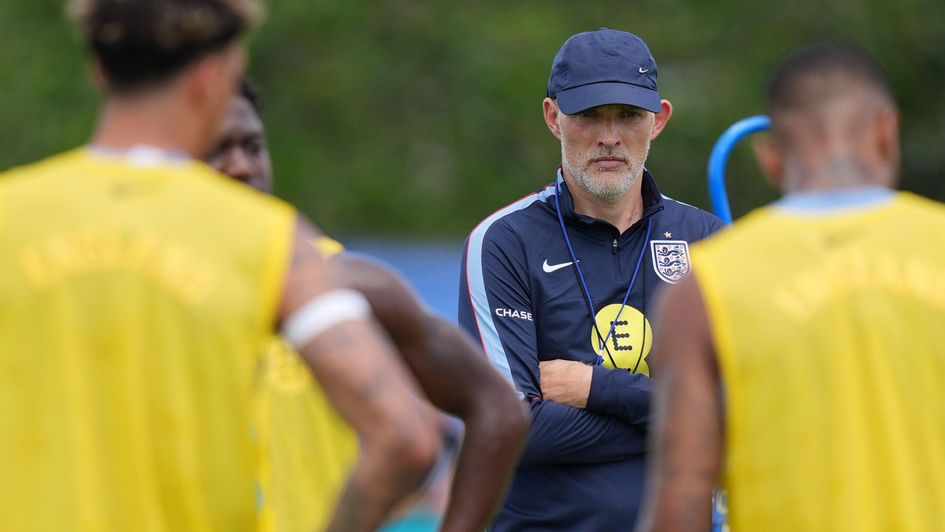
England could do with seeing that player once more, because while much of the attention naturally focuses on Kane, Jude Bellingham and Declan Rice, there remains a sense that Tuchel's side need an X-factor. Someone capable of changing the dynamic of a match from the bench or punishing opponents when games become stretched.
Rashford fits that description perfectly.
His pace remains exceptional. Few defenders enjoy facing him in open space. Even fewer enjoy defending against him late in matches when fatigue begins to creep in.
Modern international football is increasingly transitional, and Rashford remains one of the most devastating transition players available to England when his confidence is flowing.
There is also a tactical argument for his importance. England’s group-stage opponents know exactly how dangerous Kane can be. They know the threat posed by Bellingham’s late runs.
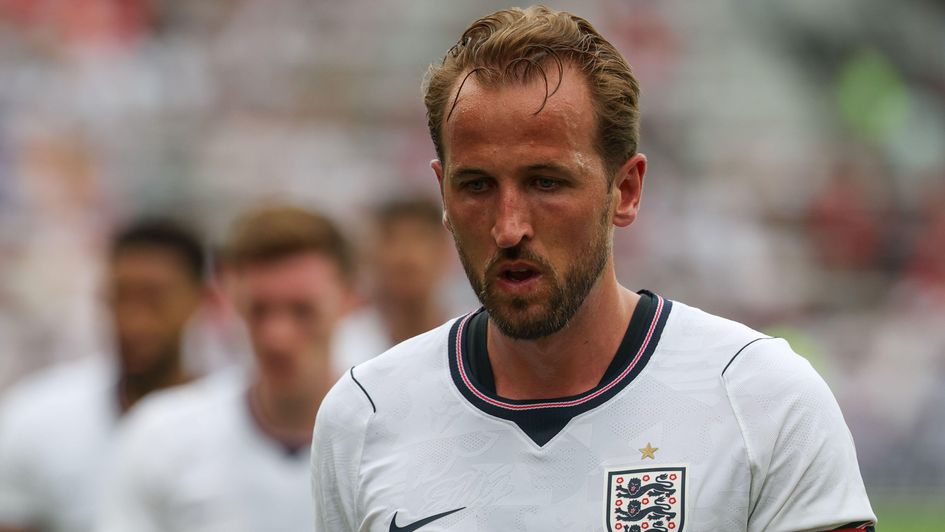
Rashford offers something different. He stretches defences vertically. He forces opponents to defend deeper. He creates uncertainty.
Against New Zealand, he looked hungry. That may sound like a cliché, but there was a visible sharpness to his performance. Every run appeared purposeful. Every touch carried intent. Every opportunity to attack a defender was embraced rather than avoided.
That is what makes this tournament feel so fascinating from his perspective.
For the first time in years, Rashford arrives at a major tournament without the burden of being one of England’s central stars. The spotlight is elsewhere. The expectations are lower. Yet the incentives have rarely been greater.
He knows his future is unresolved. He knows clubs are watching. He knows a strong World Cup could reshape the next chapter of his career.
And England know that a player operating with that level of motivation can be an extremely dangerous weapon.
More World Cup content from Sporting Life
Group previews
- World Cup betting guide
- Group A: Mexico; South Africa; South Korea; Czechia
- Group B: Canada; Bosnia; Qatar; Switzerland
- Group C: Brazil; Morocco; Haiti; Scotland
- Group D: USA; Paraguay; Australia; Turkiye
- Group E: Germany; Curacao; Ivory Coast; Ecuador
- Group F: Netherlands; Japan; Sweden; Tunisia
- Group G: Belgium; Egypt; Iran; New Zealand
- Group H: Spain; Cape Verde; Saudi Arabia; Uruguay
- Group I: France; Senegal; Iraq; Norway
- Group J: Argentina; Algeria; Austria; Jordan
- Group K: Portugal; DR Congo; Uzbekistan; Colombia
- Group L: England; Croatia; Ghana; Panama
Outright previews
Safer gambling
We are committed in our support of safer gambling. Recommended bets are advised to over-18s and we strongly encourage readers to wager only what they can afford to lose.
If you are concerned about your gambling, please call the National Gambling Helpline / GamCare on 0808 8020 133.
Further support and information can be found at begambleaware.org and gamblingtherapy.org.