Netherlands World Cup 2026: Squad Analysis & Betting Odds
FIFA World Cup 2026 betting markets are beginning to take shape, and the Netherlands remain one of international football's most intriguing propositions. The Dutch have qualified for the tournament in North America and bring a squad packed with technical excellence, tactical flexibility, and a long history of near-misses on the world stage. For World Cup betting enthusiasts, understanding how this generation of Oranje players might perform across three group matches and beyond is essential before placing any stakes.
All World Cup 2026 qualification has concluded. The 48 qualified nations are now preparing for the tournament, with the Netherlands among the established powers expected to challenge for major honours. Ronald Koeman's side navigated European qualifying with authority and now face a Group D assignment that includes Japan, Sweden, and Tunisia. With odds currently reflecting the Dutch as realistic semi-final contenders, assessing their squad depth, tactical approach, and fixture list provides crucial context for FIFA World Cup betting odds across multiple markets.
This Netherlands team profile examines every aspect relevant to 2026 FIFA World Cup qualified teams list analysis—from Ronald Koeman's tactical blueprint to key player availability, historical tournament trends, and match-by-match betting angles. Whether considering outright futures, group winner markets, or individual fixture bets, this guide provides the analytical foundation required for informed World Cup betting decisions.
PADDY POWER OFFER!
Get £50 in Bet Builder Bets
CLAIM THIS OFFER HERENew Customer offer. Place a min £10 bet on Football on odds of min 1.5 (1/2), get £50 in Free Bet Builders after the qualifying bet has been settled. Rewards valid for 90 days. Only deposits via Pay by Bank, cards & Apple Pay will qualify. T&Cs apply. Please Gamble Responsibly.
Team Overview
The Netherlands enter the 2026 World Cup ranked seventh in the FIFA World Rankings, a position that reflects both their underlying quality and recent inconsistency at major tournaments. Ronald Koeman, in his second spell as national team manager, has rebuilt the squad around a core of elite attacking talents and emerging defenders, blending the technical sophistication Dutch football demands with greater defensive pragmatism.
Koeman typically deploys a 4-3-3 formation that can shift into a 4-2-3-1 or even 3-4-3 depending on opposition and match state. This tactical flexibility proved essential during qualifying, where the Netherlands adapted their approach across different opponents while maintaining control of possession and creating high-quality chances. The manager's willingness to rotate personnel and formations suggests he will tailor tactics specifically for each group opponent in 2026.
Tournament pedigree remains both a strength and a burden for Dutch football. Three World Cup finals—1974, 1978, and 2010—all ended in defeat, establishing the Netherlands as perhaps the most talented nation never to lift the trophy. More recently, the Dutch reached the quarter-finals in 2022, losing on penalties to eventual champions Argentina after a dramatic comeback. That experience hardened this generation of players, many of whom remain in the squad and understand what semi-final football requires.
For betting offers and World Cup free bets, the Netherlands sit in that tricky category between outright favourites and value outsiders. Most bookmakers price them around 14/1 to 16/1 for tournament victory, shorter than traditional dark horses but longer than the established elite. This pricing reflects genuine uncertainty about whether Koeman's squad possesses the defensive resilience to complement their obvious attacking talent.
Squad Analysis
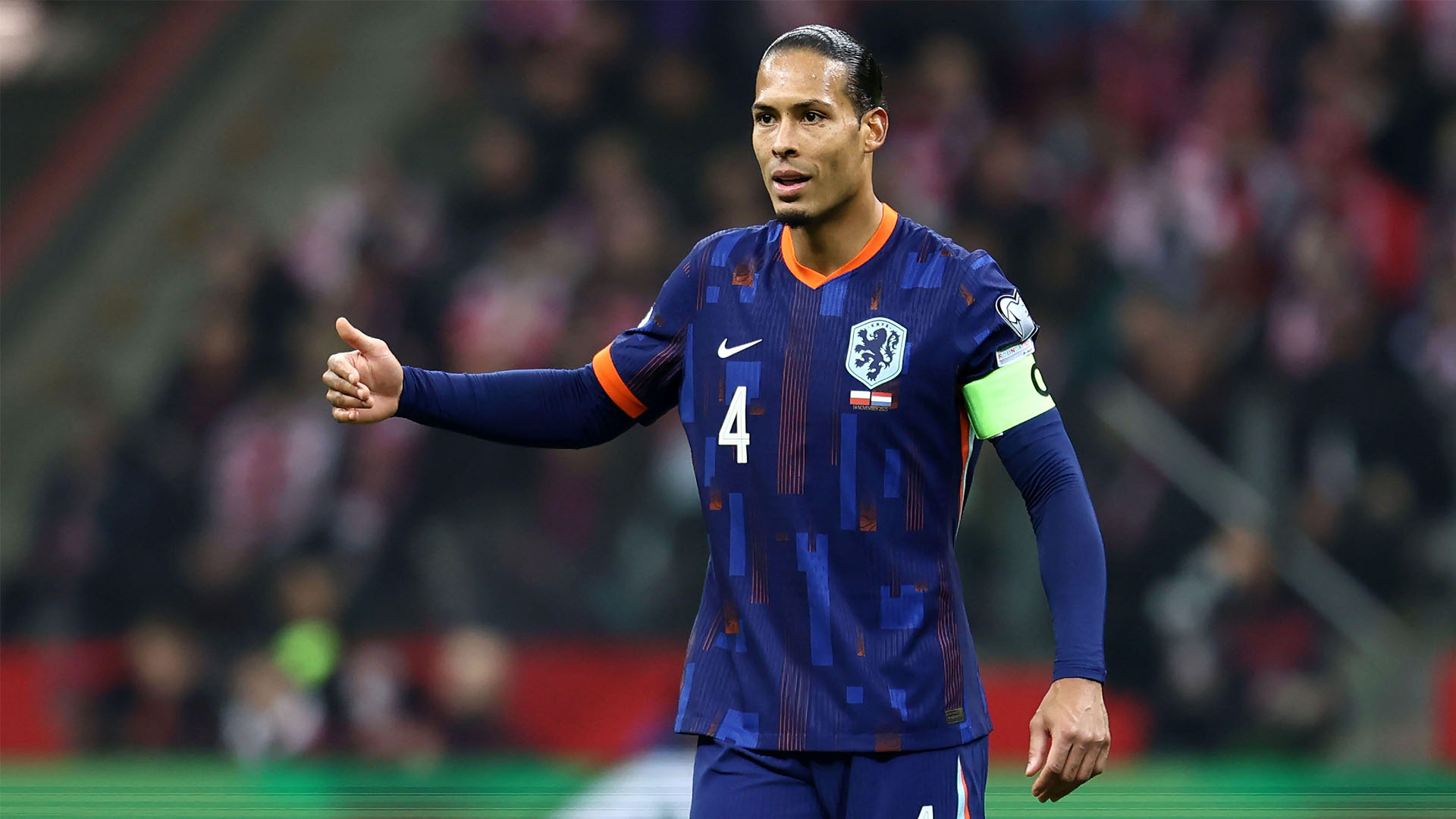
The Netherlands squad heading to 2026 combines established world-class performers with exciting emerging talent, particularly in the attacking third. Virgil van Dijk remains the defensive leader and captain, now 34 but still commanding at centre-back. His reading of the game and ability to step into midfield with the ball compensates for any marginal decline in recovery pace. Alongside Van Dijk, Nathan Aké and Jurriën Timber provide left-footed and right-footed options respectively, both comfortable inverting into midfield when Netherlands build possession.
Midfield balance represents Koeman's primary tactical puzzle. Frenkie de Jong, when fit, operates as the deepest midfielder, dictating tempo and connecting defensive and attacking phases. His dribbling ability under pressure and spatial awareness allow Netherlands to progress through compact blocks. Teun Koopmeiners and Ryan Gravenberch offer contrasting profiles alongside De Jong—Koopmeiners providing goal threat and tactical intelligence, Gravenberch contributing athleticism and ball-carrying power. Koeman must determine which midfield combination suits each group opponent.
In attack, the Netherlands boast genuine world-class options. Cody Gakpo enjoyed an excellent 2024-25 club season and has established himself as the left-sided attacking threat, cutting inside onto his right foot to shoot or combine. Memphis Depay, despite his peripatetic club career, remains central to Dutch attacking moves, dropping deep to receive possession and linking play. On the right, Xavi Simons offers creativity and unpredictability, though his defensive contribution sometimes forces Koeman into tactical compromises.
The striker position remains contested. Wout Weghorst provides a target-man option for directness, particularly when protecting leads or chasing games. Brian Brobbey offers pace and pressing intensity, while Joshua Zirkzee contributes technical quality and link-up play. Koeman's striker selection will likely vary by opponent—Weghorst against physical defences, Brobbey against high lines, Zirkzee when Netherlands expect sustained possession.
Key strengths for this Dutch squad include technical security under pressure, attacking variety from wide areas, and set-piece delivery quality. Van Dijk, Virgil and Aké create aerial dominance from corners, while De Jong's passing range can unlock defences in open play. Weaknesses centre on defensive transitions when full-backs push forward simultaneously, and occasional lapses in concentration that have cost goals in recent competitive matches. The backline's pace against elite counter-attacking teams remains a concern.
Netherlands' likely starting XI in their opening match against Japan would feature: Verbruggen in goal; Dumfries, Van Dijk, Aké, and Blind across the back four; De Jong, Koopmeiners, and Gravenberch in midfield; Simons, Depay, and Gakpo in attack. This lineup balances experience with athleticism and provides multiple goal threats across the front three.
Sky Bet Exclusive
£50 in FREE BETS
CLAIM OFFER HERENew customers only. £10 minimum deposit. First single, e/w or multiples bet only. Odds of 1/1 or greater. 3 x £10 bet tokens for Football BuildABets only. 2 x £10 bet tokens for Football Accas only. Free bet stakes not included in returns. Free Bets are non-withdrawable. Free Bets expire after 7 days. Eligibility restrictions and further T&Cs apply.
Qualification Journey
The Netherlands topped their European qualifying group with eight wins and two draws from ten matches, conceding just four goals throughout the campaign. This defensive record represented significant improvement from previous qualifying cycles and reflected Koeman's emphasis on structural discipline. Attacking output remained impressive, with 28 goals scored across those ten matches, spread across multiple players rather than relying on a single focal point.
Form during qualifiers fluctuated between commanding home performances—where Netherlands typically dominated possession and created numerous chances—and more cautious away displays that prioritised defensive solidity. Draws against France and Greece highlighted the tactical challenges Koeman still faces when opponents sit deep or match Dutch technical quality. However, comprehensive victories over Ireland and Gibraltar demonstrated the squad's ability to execute tactically varied approaches.
Recent results beyond qualifying provide mixed signals about tournament readiness. Friendlies against Germany and Belgium showed the Netherlands competing effectively against elite opposition, particularly when allowed to control possession in midfield. However, matches against more direct opponents exposed the defensive vulnerabilities that could prove costly in knockout football. Momentum heading into the 2026 World Cup appears positive, with key players entering the tournament in strong club form and the squad demonstrating cohesion during preparation matches.
Group Stage Information
Netherlands have been drawn into Group D alongside Japan, Sweden, and Tunisia. This represents a balanced group without obvious favourites or straightforward fixtures, requiring the Dutch to perform consistently across three contrasting tactical challenges.
Japan arrive as Asian champions with a squad built around technical midfielders and disciplined defensive organisation. They will look to frustrate Netherlands through compact shape and exploit transitions when possession turns over. Sweden bring physicality and set-piece threat, likely attempting to disrupt Dutch build-up play through aggressive pressing and direct play towards their striker. Tunisia offer defensive resilience and counter-attacking pace, having consistently troubled European opposition in previous tournaments.
Netherlands' three group fixtures unfold as follows:
Match 1: Netherlands vs Japan – 14 June – Dallas Stadium – 21:00
The opening fixture represents a tactical chess match between two possession-oriented teams. Japan will not cede midfield easily, forcing Netherlands to demonstrate patience and creativity when breaking down compact defensive blocks. The 21:00 UK kick-off means warm evening conditions in Dallas, potentially favouring technical quality over physical intensity.
Match 2: Netherlands vs Sweden – 20 June – Houston Stadium – 18:00
This second group match could prove pivotal for progression scenarios. Sweden's physicality and aerial threat from set-pieces will test Dutch defensive organisation, particularly if Van Dijk or Aké face suspension. The 18:00 UK kick-off allows Netherlands to assess their group position after other results and adjust tactics accordingly.
Match 3: Netherlands vs Tunisia – 25 Jun – Kansas City Stadium – 00:00
The final group game kicks off at midnight UK time, likely determining final group positions. Tunisia traditionally raise their performance level against European opposition, using disciplined defensive shape and rapid transitions. Netherlands may need points from this fixture to secure top spot, creating tactical tension between caution and attacking ambition.
Qualification chances from Group D appear strong for the Netherlands. Most pre-tournament projections model them as group favourites, with probability estimates ranging from 60-70% for top spot and 85-90% for progressing in the top two. The expanded 48-team format with four-team groups means finishing second still guarantees progression, reducing the stakes for individual group matches compared to previous World Cup formats.
Betfair NEW CUSTOMER Offer
BET £10 GET £50 IN FREE BETS
Claim Offer HerePlace a min £10 bet on Sportsbook on odds of min EVS (2.0), get 5x £10 in Free Bet Builders, Accumulators or multiples to use on any sport. Rewards valid for 30 days. Only deposits via Pay by Bank, Apple Pay or Debit Card will qualify. T&Cs apply. Please Gamble Responsibly.
Tournament Odds
Outright winner odds position Netherlands as outside contenders rather than primary favourites. At the time of writing, Sky Bet price them at 16/1 for tournament victory, Paddy Power offer 14/1, and Betfair exchange markets sit around 15/1. This pricing reflects genuine uncertainty about whether Dutch attacking quality can compensate for defensive vulnerabilities against elite opposition across knockout rounds.
Group winner odds range from 4/6 to 8/11 across major bookmakers, implying Netherlands are clear favourites to top Group D. These odds appear broadly accurate given the quality differential between Dutch and opponent squads, though Sweden's physicality creates upset potential.
Netherlands to reach the final currently trades around 5/1, while semi-final qualification sits closer to 9/4. These markets suggest bookmakers view the Dutch as capable of navigating the round-of-32 and round-of-16 but uncertain whether they possess the defensive resilience for deeper progression.
Dark horse assessment depends on how one defines the term. Netherlands clearly do not qualify as surprise contenders—their squad quality and tournament pedigree place them in the established second tier below Brazil, France, Argentina, and England. However, their attacking options and Koeman's tactical flexibility create legitimate paths to surprising deeper runs. At 16/1, the outright price may underestimate their ceiling performance level, particularly if defensive organisation improves during the tournament itself.
Value assessment across Netherlands markets suggests the most interesting prices sit in goalscorer and specific match result markets rather than outright futures. Gakpo and Depay both offer reasonable odds for top tournament scorer given their involvement in Dutch attacks, while backing Netherlands to win their group could provide better risk-reward than outright betting at current prices.
Historical Context
Netherlands' previous World Cup performances cast a long shadow over this generation. The 1974 and 1978 final defeats established Total Football's legacy while cementing Dutch reputation as the best team never to win a World Cup. The 2010 final loss to Spain, decided by Andrés Iniesta's extra-time goal, remains particularly painful given the squad's quality and tactical approach throughout that tournament.
More recent tournaments show fluctuating form. The Netherlands failed to qualify for the 2018 World Cup, a low point that prompted significant restructuring. Their 2022 quarter-final run suggested recovery, though the penalty defeat to Argentina highlighted persistent issues with knockout-match temperament and defensive resilience against elite opponents.
Head-to-head records versus Group D opponents provide limited insight given infrequent meetings. Netherlands have not faced Japan at a World Cup since 2010, when they won 1-0 in a tight group-stage encounter. Against Sweden, historical meetings are evenly split between Dutch victories and draws, with the Swedes occasionally frustrating more talented opposition through organisation and set-piece threat. Tunisia have never beaten Netherlands in competitive football, though their 2022 World Cup performances against France and Australia demonstrated their capacity to trouble established nations.
Tournament traditions for Dutch teams include slow starts in opening fixtures, tactical adjustments between group matches, and psychological fragility in knockout penalty situations. Koeman will attempt to address these patterns through preparation and squad management, though historical trends suggest caution when backing Netherlands in scenarios requiring defensive resilience under sustained pressure.
Links and Final Assessment
This Netherlands World Cup 2026 squad analysis connects to our comprehensive 2026 World Cup Teams Guide: All 48 Squads, Groups & Betting Odds, which provides detailed breakdowns of every qualified nation, group dynamics, and betting market overviews across the tournament.
For readers interested in specific Dutch players, detailed profiles of Virgil van Dijk, Frenkie de Jong, and Cody Gakpo explore their individual roles, statistical output, and market relevance. Group D analysis examines the tactical matchups between all four teams, providing additional context for fixture-specific betting decisions.
Match previews for each Netherlands group fixture will be published closer to kick-off times, incorporating final team news, tactical adjustments, and updated betting markets. These previews offer refined analysis beyond this pre-tournament squad assessment.
Strong CTAs for Netherlands betting markets begin with comparing FIFA World Cup betting odds across Sky Bet, Paddy Power, and Betfair. New customers can access World Cup betting offers including enhanced odds on group winners and selected match results. Always review terms and conditions before claiming any betting offers, and remember that all World Cup betting should reflect your assessment of sporting probabilities rather than promotional incentives alone.
The Netherlands arrive at World Cup 2026 with a talented squad, experienced manager, and realistic ambitions of reaching the semi-finals or beyond. For betting purposes, their group stage performances offer better value than outright futures, with specific match handicaps and player markets providing opportunities to capitalise on their technical superiority. Whether this generation can finally convert Dutch footballing excellence into tournament glory remains the central question driving all Netherlands World Cup betting analysis.

.jpg)
.jpg)
.jpg)
.jpeg)
.jpg)