Graham Cunningham reflects on the latest raft of changes to the Randox Grand National before issuing a stark warning to the Jockey Club custodians.
Where is the official line?
Where’s your line?
What’s my line?
And when does a sport that seldom feels secure in its own skin decide to hold the line?
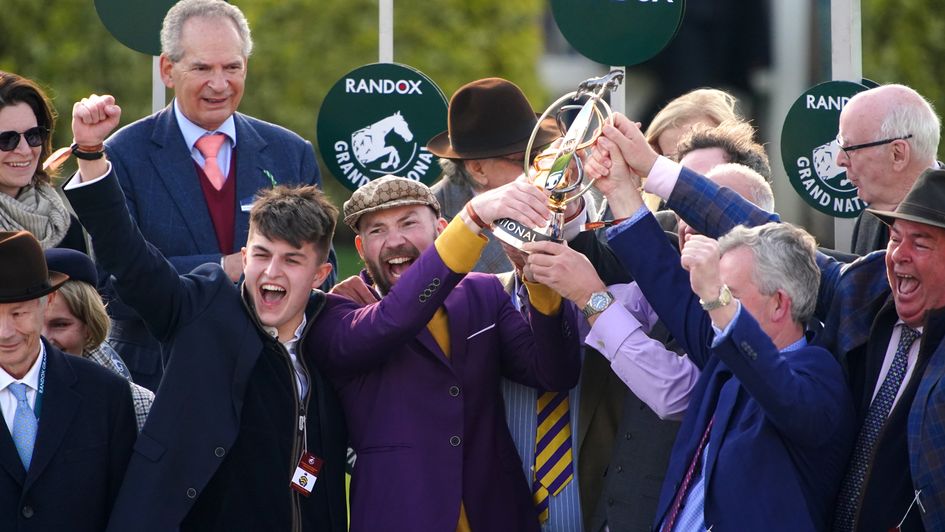
There will come a day when those who govern the world’s most famous chase must draw a line and say: ‘This is the Grand National. It can never be free of risk but we believe it represents a fair challenge for experienced horses who satisfy strict entry conditions.’
But that day feels some way off after the latest round of changes were announced this morning - and the news cycle that will crank into gear is all too familiar.
Well-meaning officials will assert that further change is essential to ensure the Aintree showpiece aligns with increasingly delicate 21st century sensibilities.
Grizzled veterans will adopt a Grandpa Simpson ‘Old Man Yells at Cloud’ stance, pining for a never-to-return time when the National represented a vastly more demanding test than it does today.
And bold young lads who profess to be devastated when a well-known horse gets killed will fire up their content cannons before moving on to the next good thing in short order.
But those who prefer facts and logic to kneejerk emotion won’t take long to ask several key questions about this latest review.
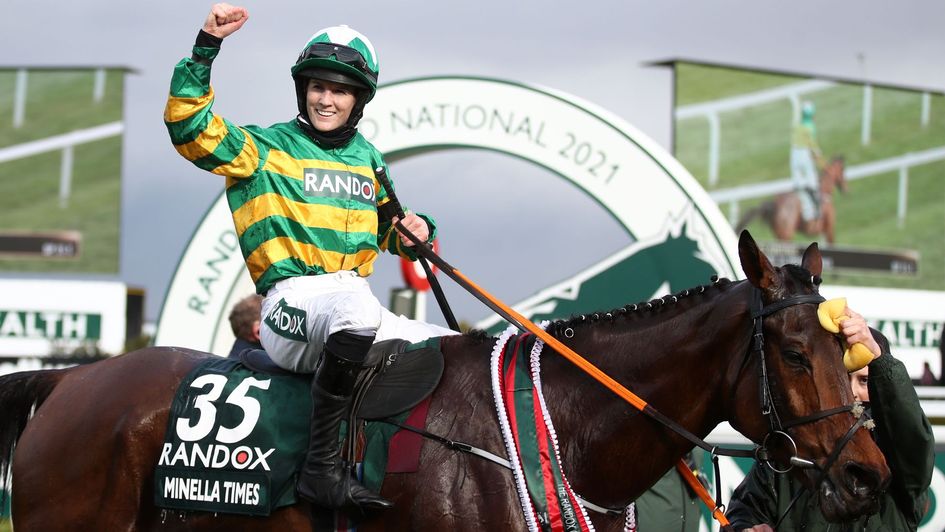
The first involves cutting the number of runners from 40 to 34, a severe trim by any standards and one that could have left two recent winners – Auroras Encore and Minella Times - one shy of making the cut had it been implemented a decade ago.
Now you may think that depriving Ryan Mania of a career-defining moment and Rachael Blackmore an unforgettable place in sporting history would be a price worth paying for a safer Grand National….
But is a smaller field size really the key to increased safety?
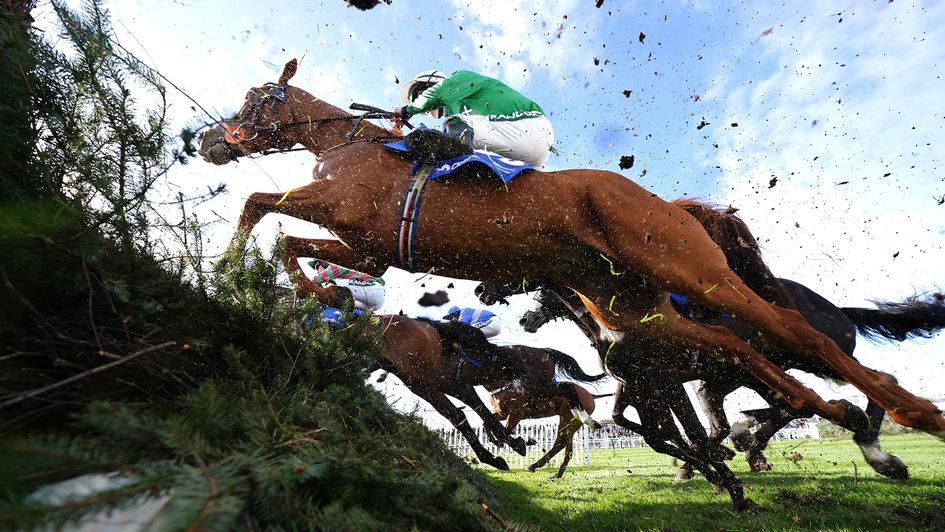
The logic is seductive but it’s an inconvenient and significant truth that attrition rates in the Topham and Foxhunters’ Chase – run with appreciably smaller fields over much shorter distances – have been higher than in the National over the last ten years.
And the last decade is clearly the only sample that matters.
That phase started with a major revamp prompted by the loss of Gold Cup hero Synchronised and northern star According To Pete in 2012 and those responsible for the radical re-design of numerous key fences banked a precious dividend.
The following six Nationals were fatality free as fallers reduced appreciably year on year and the fact that the next National horse to depart at the once-fearsome Becher’s will be the first since 2018 is a stat that continues to boggle the mind.
But one king metric trumps all others in this eternal debate and the recent fates of five hapless horses have brought us to the latest suite of changes that include a shorter run to the first, an earlier off time and additional irrigation measures.
Progress it may be - but further change begs further questions:
Would Up For Review (brought down at the first in 2019) have found a clear passage with six fewer runners to contend with?
Would The Long Mile and Discorama (pulled up in 2021 and 2022) have come back safely granted an earlier off time and ‘optimal ground conditions?’
Would a shorter run to the first have helped Eclair Surf (fell at the third in 2022) get beyond the dangerous early fences?
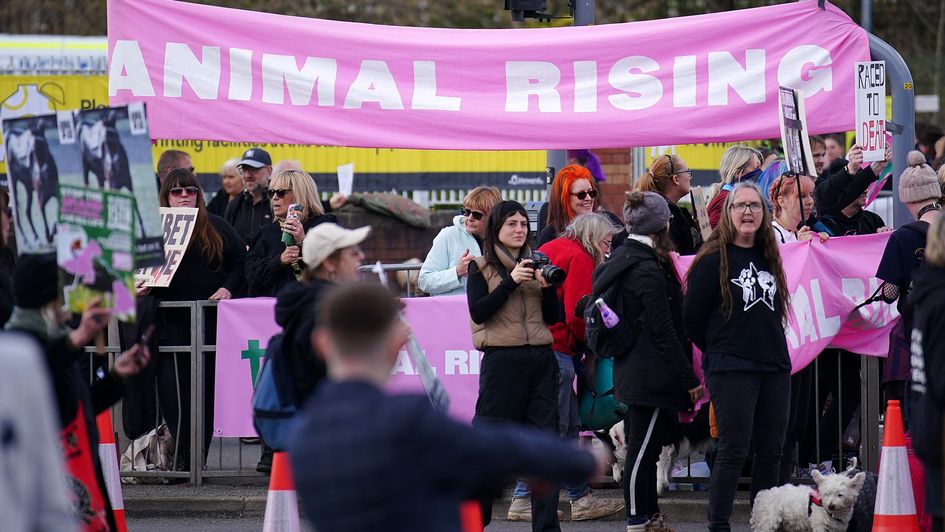
And would the lengthy delay and febrile atmosphere caused by Animal Rising disruptors have stopped Hill Sixteen (fell at the first in 2023) hitting the deck for the first time in his life?
Hold or fold?
None of us can be certain and I can clearly hear the rasping Scouse accent of a good friend saying “hindsight is the foresight of a gobshite” in my head as I type this.
But I doubt I’m alone in thinking the pain of recent events has outweighed the positivity of a wider rolling ten-year trend.
And I doubt I’m alone in thinking that Hill Sixteen’s sad demise amid uniquely challenging circumstances is a poor hill to build such radical change on.
Yes, keeping this embattled old race on the right side of public opinion is paramount nowadays and re-drawing the lines on a regular basis via a raft of major and minor changes has served its purpose well enough.
But, as racing fans digest the latest round of National tinkering, those simple questions remain.
Where is the official line? Where’s your line? What’s my line?
I can answer the last one simply enough. The 2012 renewal made me distinctly uneasy about the medium and long-term future of the National but the overall evidence of ten subsequent renewals makes me convinced this remains a race worth fighting for.
For the Jockey Club staffers behind this new Aintree plan, with regional director Dickon White and clerk of the course Sulekha Varma at the forefront, that fight is based on “a relentless focus on horse welfare.”
But chipping away at the foundations of such an extreme sports event with no guarantee of a marked improvement in safety seems a questionable long-term strategy.
Spurred on by memories of a traumatic day in April and concern that the National has become a part of Britain’s culture wars, custodians of the world’s most famous chase have now opted for a drastic re-drawing of the line.
Data from the last decade gives them credit in the bank. But there will come a time to hold the line. Because repeated failure to do so means they will eventually reach the end of it.
More from Sporting Life
- Racecards
- Fast results
- Full results and free video replays
- Horse racing news
- Horse racing tips
- Horse racing features
- Download our free iOS and Android app
- Football and other sports tips
- Podcasts and video content
Safer gambling
We are committed in our support of safer gambling. Recommended bets are advised to over-18s and we strongly encourage readers to wager only what they can afford to lose.
If you are concerned about your gambling, please call the National Gambling Helpline / GamCare on 0808 8020 133.
Further support and information can be found at begambleaware.org and gamblingtherapy.org