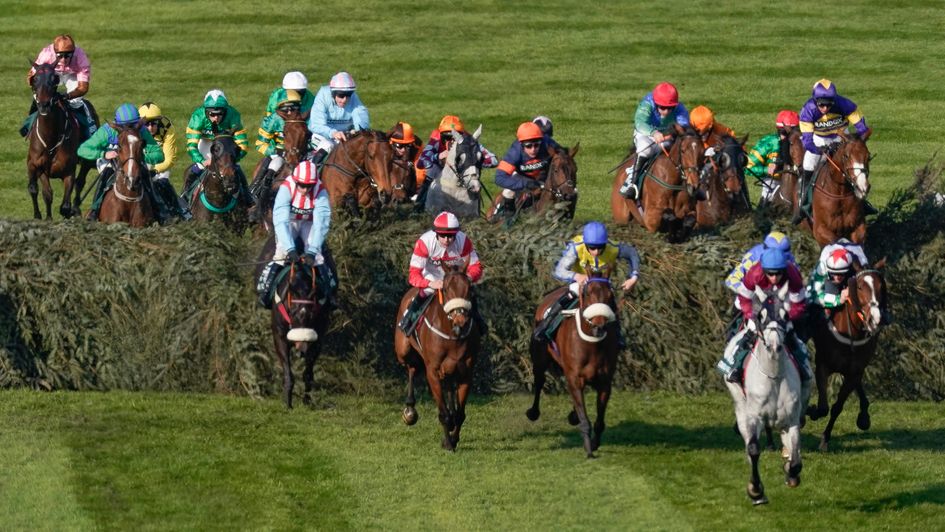
The maximum field for the Randox Grand National has been reduced to 34 as part of several changes made to the race announced by the Jockey Club and BHA.
The Jockey Club said in a press release that insights from independent research papers, combined with their own internal analysis of jump races, evidences a direct correlation between the number of runners in a race and the risk of falling.
The first fence is to be moved 60 yards closer to the start and a standing start will be implemented this year too, both measures to try and reduce the speed of the horses to first obstacle – something the Jockey Club says evidence shows has increased in the last ten years.
Start time to be brought forward
Another change is the race time being brought forward from it’s current 5.15 position to earlier in the day to try and present “the best possible ground conditions”. This will be finalised after discussion with ITV.
Investment is to be made in further developments to the course infrastructure. Alterations to the alignment of running rail on the inside of the Grand National course will be done with the aim of assisting with the early capture of loose horses.
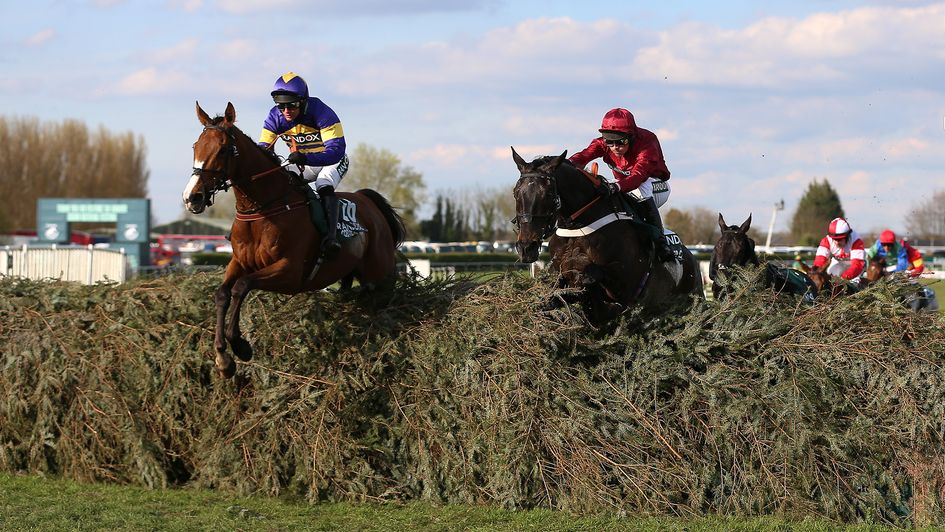
The height of Fence 11 will be reduced by two inches (from 5ft to 4ft 10in) on take-off side, with some ‘levelling off’ on landing side to reduce the height of the drop. Foam and rubber toe boards will be introduced on every fence plus more investment in pop-up irrigation to allow for more effective watering of the course. The walkways in the paddock will also be widened.
Pre-race checks to be developed further
In terms of ensuring the horses participating are in the best condition to do so, the Jockey Club say they are continuing to develop the pre-race veterinary protocols, working alongside the BHA.
The minimum handicap rating for all horses running in the Grand National will be raised to 130. This is an increase from the current minimum rating of 125 and brings the Grand National minimum handicap rating in line with Grade One races, which are also 130.
The Grand National Review Panel, a group of industry experts who assess the suitability of every horse entered to run over the Grand National fences, will further enhance its procedures to closely scrutinise horses entered in the race that have made jumping errors in 50% or more of their last eight races, before allowing them to run.
There was one fatality in the 2023 race. Hill Sixteen, died after sustaining a fatal injury at the first fence.
Measures down to ‘relentless focus on welfare’
Nevin Truesdale, Chief Executive of The Jockey Club, said the changes to the Grand National are part of the organisation’s “relentless focus on welfare”.
He said: “The Randox Grand National is the most iconic race in the world and one which transcends our sport. It is part of the fabric of British sporting life alongside the likes of Wimbledon, the FA Cup and the Open golf and is loved and watched by millions of people all over the world every year. For many it is also their introduction to horseracing and I believe that a competitive, fair and safe Randox Grand National is one of the best ways of ensuring the sport continues to thrive for generations to come and remains an important part of Britain’s culture and economy.
“That means our sport, like many other sports have done, needs to recognise when action needs to be taken to evolve because the safety and care of horses and jockeys will always be our number one priority. In making these changes at Aintree we are underlining our relentless focus on welfare and our commitment to powering the future of British racing.”
Aintree clerk explains decision-making process
Sulekha Varma, The Jockey Club’s North West Head of Racing and Clerk of the Course at Aintree, led the review process and oversees all aspects of the racing surface, fences and pre-race preparatory areas for participants.
Explaining the decision-making process, she said: “The welfare of our racehorses and jockeys is our number one priority at Aintree and we have invested significantly in equine welfare over many years. We continually review the Grand National and following an in-depth, evidence-based review process this year, we are announcing several changes as part of its continued evolution.
“One of our key areas of focus is reducing the risk of incidents during the race. We know from research papers and internal analysis of jump races that there is a direct correlation between the number of runners and the risk of falling, unseating or being brought down. However, we also must consider that reducing the field size by too great a number could create a faster race and have an adverse impact in terms of safety. Using the information available to us and considering the experiences of participants, our conclusion is that 34 should be the maximum number of runners in the race which we hope will result in the least number of incidents."
Explaining some of the other updates to the race conditions, Varma added: “Another key area of our focus was addressing the start of the race and implementing change to slow down its earliest stages. Relocating the first fence will reduce the opportunity to build up too much speed on the approach and re-introducing the standing start should also help to reduce speed.
“We also considered the start time of the race, which was traditionally much earlier in the afternoon but changed to 5.15pm in 2016. While this has helped build excitement among the crowd throughout the afternoon, it has proved challenging in managing the ground. Returning to an earlier race time was recommended by both the BHA Executive and Horse Welfare Board in their feedback.
“The benefits and relevance of the pre-race parade of horses in front of the grandstand was also brought into question. We hope that allowing jockeys to canter their horses in front of the stands at their own pace will help create a calmer environment during the build-up to the race.”
BHA: National ‘The world’s greatest horse race’
Julie Harrington, Chief Executive of the British Horseracing Authority (BHA), said: “The Grand National is the world’s greatest horse race. It has maintained that status through the years, in part, because of the developments and changes that have been made to it. These changes have enabled it to move with the times and maintain public support while also ensuring that it remains a unique, thrilling spectacle and the ultimate test of a racehorse.
“The package of measures which will be introduced for next year’s race seeks to strike this crucial balance, and the BHA endorses them in full.”
Professor Chris Proudman, Professor of Veterinary Clinical Science at the University of Surrey, said: “As a veterinary professional, committed to the welfare of animals and specialising in horses, I commend the significant modifications to the Grand National. Making changes to such a famous race requires evidence and judgement. These changes will make considerable strides towards enhancing equine welfare for all participants – it’s the right and responsible action to take.”
Two-time National winner Russell backs changes
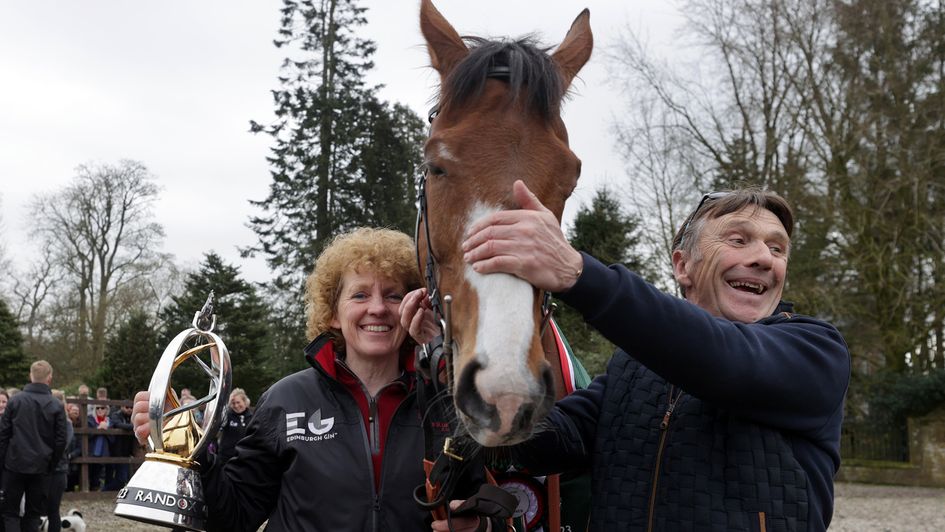
Dual Randox Grand National-winning trainer Lucinda Russell, who saddled One For Arthur (2017) and Corach Rambler (2023) to success in the Aintree spectacular, gave her support to the changes announced on Thursday.
She said: “I think these changes announced today are a clear sign again that Aintree and The Jockey Club continue to be proactive in trying to support the Grand National and the wider sport of horseracing.
“I am fully supportive of reducing the field size and I don’t feel that six fewer runners will make a difference to the heritage of the race – it can only be a good step and hopefully will help improve the start procedures.
“As regards moving the first fence, the further you go then the more speed you are going to pick up so logically it should mean they approach it slower. I know that it’s tricky for the jockeys to manage their speed as it’s such an important race and everyone is vying for a good position.
“Aintree do a wonderful job in always producing perfect ground conditions; it is ground on the soft side of good which is the way it should be.
“The level of welfare in racing is phenomenal and something we should be proud of. Once again Aintree is trying to make things safer.”
RSPCA react to ‘welcome step’
Emma Slawinski, RSPCA Director of Policy, said: “This is a welcome step from The Jockey Club and we are very pleased to see the organisation taking horse welfare seriously and making changes to the Grand National as a result, including decreasing the current maximum number of runners.
“We have always urged horseracing authorities to act on the wealth of science and evidence and believe this is the only way to demonstrate a commitment to improving and protecting horse welfare and ensuring a good life for those involved in the sport. The BHA and The Jockey Club will know that the RSPCA will continue to urge them to go further for the good of horse welfare.
“We believe that racehorses should have a good life on and off the track and should never be exposed to unacceptable risk of injury or death. Any steps from The Jockey Club to meet that aim are a positive step forward, we look forward to seeing this announcement pave the way for further changes and remain keen to work with them.”
More from Sporting Life
- Racecards
- Fast results
- Full results and free video replays
- Horse racing news
- Horse racing tips
- Horse racing features
- Download our free iOS and Android app
- Football and other sports tips
- Podcasts and video content
Safer gambling
We are committed in our support of safer gambling. Recommended bets are advised to over-18s and we strongly encourage readers to wager only what they can afford to lose.
If you are concerned about your gambling, please call the National Gambling Helpline / GamCare on 0808 8020 133.
Further support and information can be found at begambleaware.org and gamblingtherapy.org