England are playing too much cricket and the sport, its fans and players, are suffering as a result.
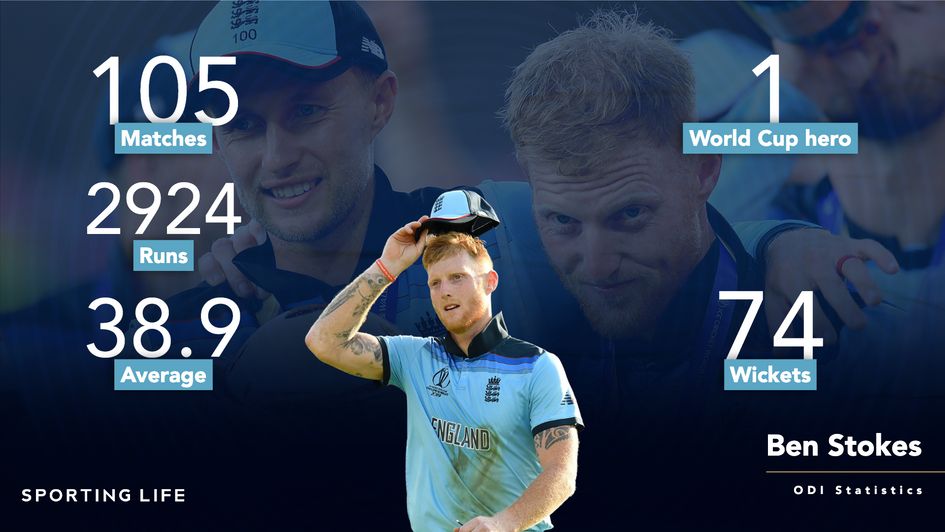
The latest casualty is Ben Stokes, who retired from ODI cricket at the conclusion of Tuesday's match with South Africa in Durham, a decision he has taken because of what he believes is the 'unsustainable' schedule facing England cricketers who play all three formats of the game.
For this current England white-ball side, one still very much finding its way following Eoin Morgan's own retirement, Stokes' decision is a reflection of the bigger picture: that elite athletes who dedicate themselves to their profession more than at any other time in the history of the sport, while also being actively encouraged to better look after their mental health, are at some stage going to reach breaking point.
That is what appears to have happened here and just as he did last summer, Stokes has led the way, taking himself out of the firing line at the expense of the format he least prefers, ensuring a better work/life balance for himself and his family and allowing more time for his mind and body to recover as he enters the latter stages of a decorated career.
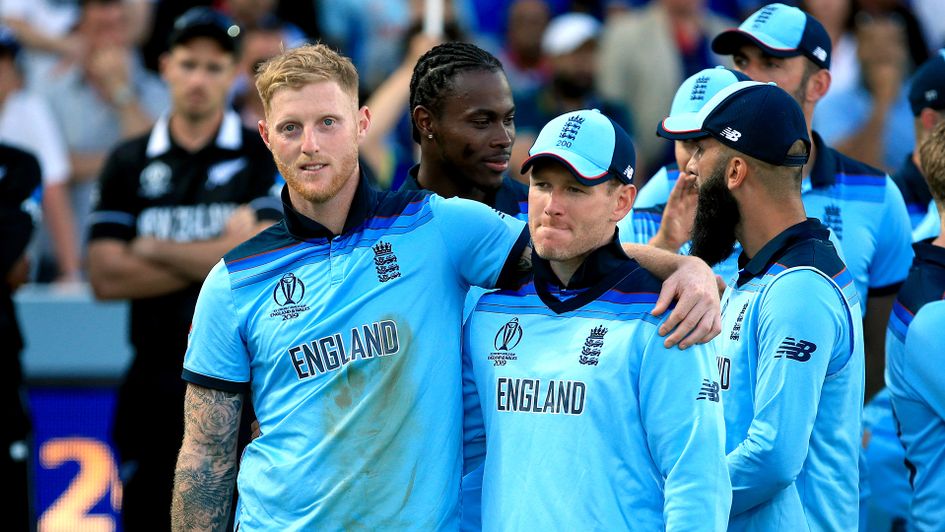
His decision will also ensure he can give his total commitment to the Test captaincy, which has begun with considerable early success, while opting to keep playing T20Is will help safeguard his commercial interests and ensure IPL opportunities remain on the table, whenever he chooses to consider them again.
Stokes and Buttler reject schedule demands
For England, the ramifications have the potential to be seismic. Stokes will not be the last. Jos Buttler recently rebuffed the idea that he might return to the Test side in the coming months, despite his style of batting seemingly being well-suited to the brand of cricket Stokes and new head coach Brendon McCullum have encouraged. Buttler insisted his sole focus is on leading the white-ball teams and that playing Test cricket is not on his immediate radar. It wasn't a retirement announcement as such, but it wasn't far off.
It's hard to believe the likes of Stokes, Buttler and Joe Root – who has missed lots of ODI cricket in the last year or so to prioritise Test cricket, while effectively being retired from T20 by the England management since 2019 – haven't discussed the hectic schedule. All good friends and family men, there is only one conclusion any of them could really draw: this isn't sustainable, nor is it healthy.
With Stokes having seemingly set a precedent, others are sure to follow and when they eventually return to full fitness, it would take a massive leap of faith to imagine Jofra Archer and Mark Wood continuing to play all three formats long-term. England will of course hope to manage them better than they have in the past, desperately trying to prime them for the biggest days. But something will have to give.
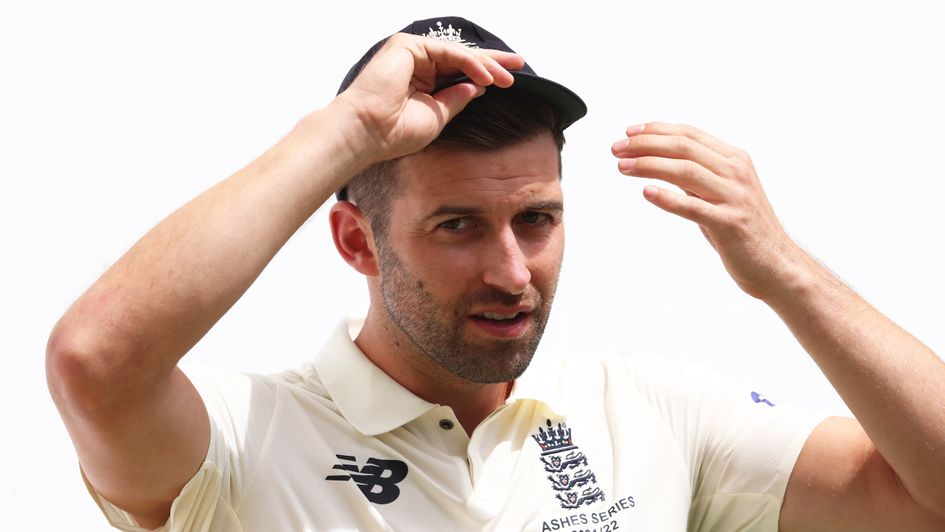
Archer has global appeal and with his elbow injury the type that could mean he may never scale the heights he did so spectacularly in the early part of international career, dropping Test cricket and its sapping demands on the body in order to lengthen his white-ball career might be a decision he is forced to make at some stage. That would be a desperate shame. Wood is a purist at heart, but more elbow surgery awaits before he can even consider trying to juggle three formats again.
Whichever way you slice it, the tide is turning and big change feels inevitable. Chris Woakes is another whose body might push him towards a similar decision, as has already been the case with Moeen Ali and Adil Rashid. Funnily enough, the last two named have recently suggested they would be open to playing Test cricket again, following the recent change in management, but neither is currently playing red-ball cricket for their county – presumably because the workload is deemed too much. There is a running theme here and I can't see how either plays Test cricket for England again.
India provide unsatisfactory template
Of course, this issue isn't reserved for England. India's similarly ridiculous schedule sees them begin a tour of the West Indies on Friday, having only played in England on Sunday. Once again, a raft of changes have been made to their playing squad, but with so many big stars missing, fans in particular would be right to feel short-changed. International cricket should be the best against the best, and this, like so many other series in cricket, is not that. International cricket is being cheapened by administrators desperate to keep the cash coming in.
Board of Control for Cricket in India (BCCI) officials would argue that despite so much rest and rotation in the face of a packed schedule, India have maintained high standards across all three formats over a long period of time and that, in fact, the depth of talent in Indian cricket is something that should be celebrated. Furthermore, when the big series have come around in Test cricket, and ICC events in white-ball cricket, India have generally put out very strong sides and proven to be formidable opponents across formats.
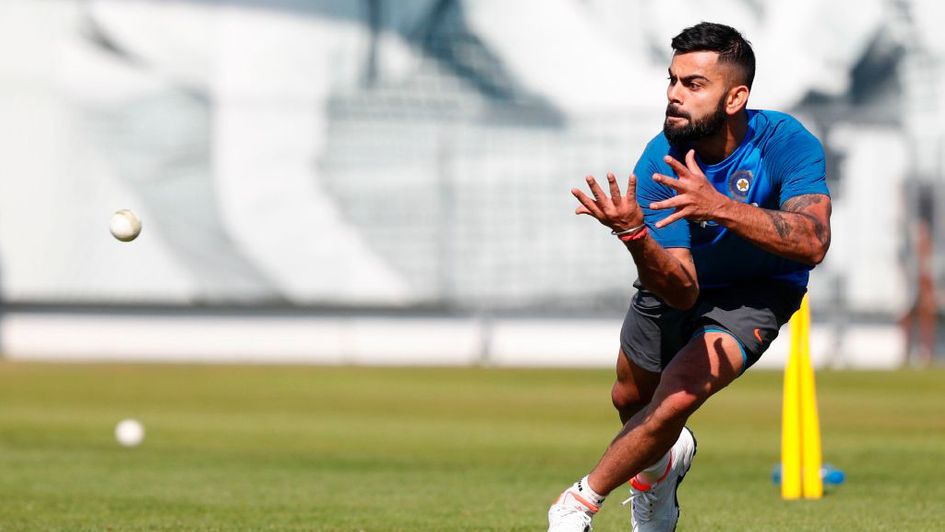
India's management of its players in that time has been impressive, and the fact the likes of Rohit Sharma, Virat Kohli, Jasprit Bumrah, Ravindra Jadeja and Mohammed Shami continue to play in all three formats is testament to that.
But while India might have been able to make it work, recent history shows that England have found it harder. As England spent five years dominating white-ball cricket, culminating with their 2019 World Cup triumph, a very similar playing squad was unable to enjoy the same level of success in Test cricket. And now, just as Test cricket is seemingly on the up, T20I and ODI series defeats to India following Morgan's retirement suggest the wheels of fortune might just be changing direction.
As yet, England have been unable to find the right formula to make all three formats work in unison, and with Morgan now gone, and Stokes walking away from ODI cricket, one has to fear for the immediate future of the 50-over side, especially with decisions regarding the futures of Archer, Wood and Woakes very much pending.
All change as lines drawn between formats
The side is certainly going to have a different look to it from the World Cup-winning one of 2019, and while that brings the type of opportunities that Reece Topley has taken with both hands, it might suggest a period of transition, too, as new coach Matthew Mott gets to grips with his new role. The T20 side ought to remain unaffected for now, and ODI cricket certainly feels like the format most under threat if schedules continue to squeeze and players start to draw red lines, something I suspect that will be particularly prevalent in England.
Above all else, what Stokes' decision has done is emphasise that Test and limited-overs cricket in England are going to be separate entities moving forward. They will be two almost completely different teams, with only Jonny Bairstow of those currently fit and available likely to play all three formats for England.
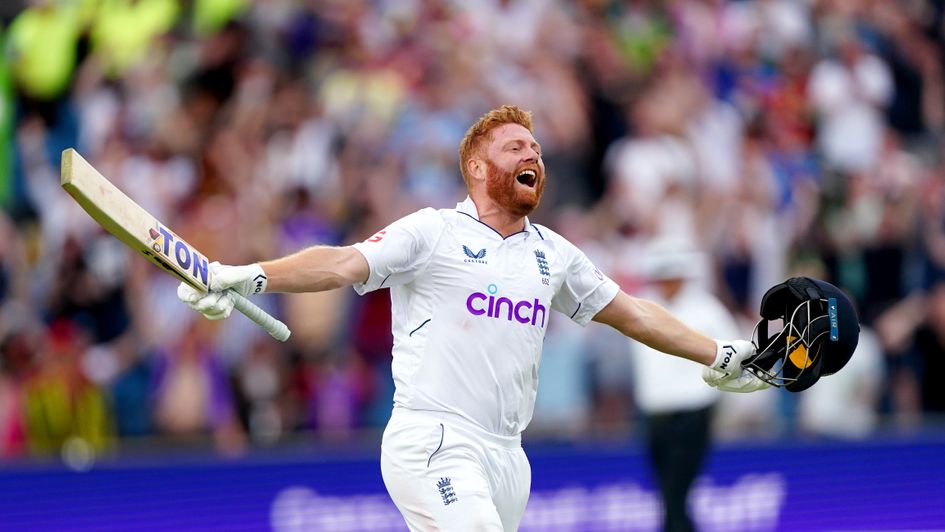
It's worth remembering that back in 2019, England's World Cup final top six featured Jason Roy, Bairstow, Root, Stokes, and Buttler, all of whom would help comprise the top seven in the drawn Ashes series a matter of weeks later. There was a crossover back then and head coach, Trevor Bayliss, was in charge of all three formats, picking cricketers who he believed were very good ones capable of succeeding in red and white-ball cricket.
Those days have gone. The one-coach-for-all ethos appears to have been killed off by Rob Key and when Australia return next summer, only Bairstow and potentially Archer – if his elbow can finally be fixed – would seem likely to find themselves in England's starting XI in all three formats.
Aside from that pair, England players picking and choosing their formats is only going to become more commonplace, as managing workloads and mental health awareness take on greater importance. The administrators could listen to the warning signs and finally tackle scheduling issues, but that would cost money so expect nothing to change.
What will soon change is the make-up of England's 50-over side – one now removed of its heartbeat – and very likely its fortunes as it grapples to find Stokes' replacement. What has already started to change is how players view their profession and choose their career paths, thus meaning some formats are preferred, and that others are rejected, deprived of the star quality players like Stokes bring to the field.
As an England cricket fan, I can't accept that as a good thing. Stokes has again been brave and made a decision that others are sure to follow for their own betterment, but cricket as a whole will be poorer for it.
England are playing too much cricket and the sport, its fans and players, are suffering as a result.