After Yorkhill’s win at Newcastle on Saturday, when the dual Cheltenham Festival winner popped up at 66/1 in the Rehearsal Chase, Timeform’s John Ingles looks at other notable jumpers who re-found form they seemed to have lost for good.
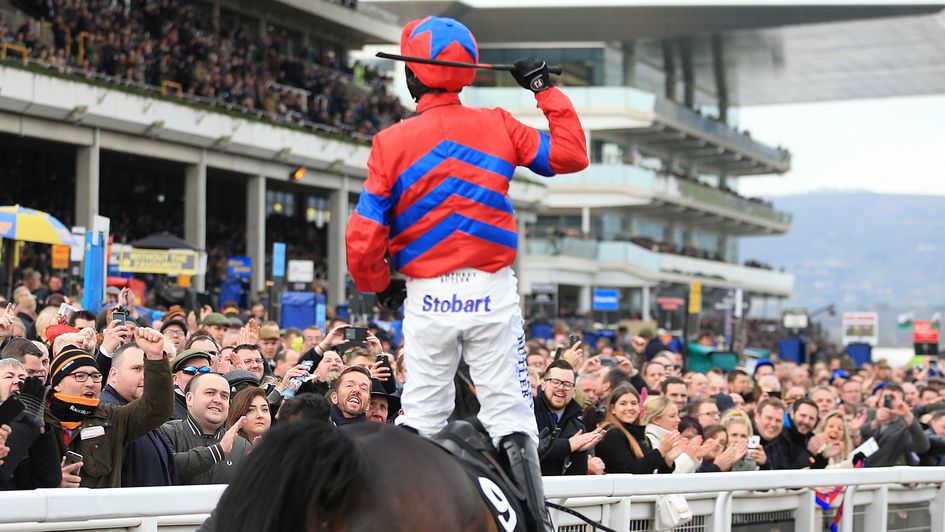
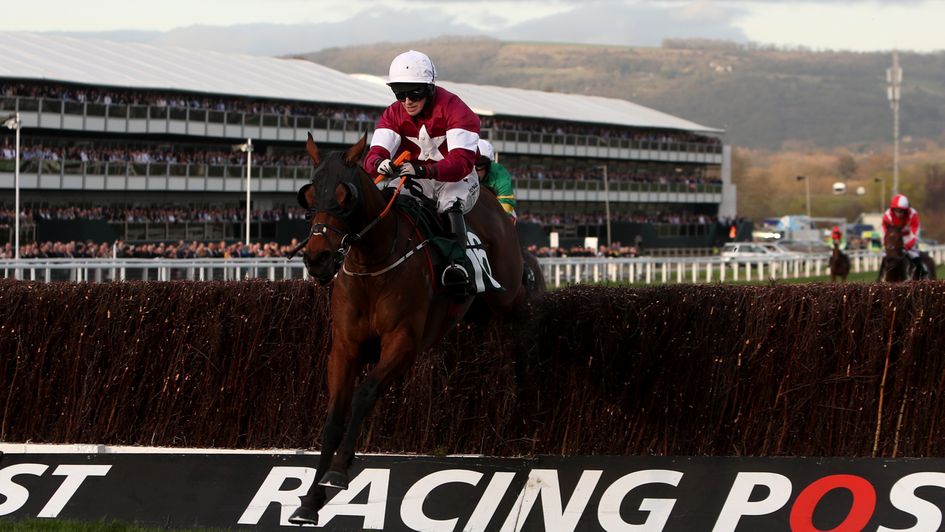
Tiger Roll earned his place in racing history by winning his second Grand National in 2019, to go with four career wins at the Cheltenham Festival. The first of those victories at Cheltenham came in the 2014 Triumph Hurdle but he found that early success as a four-year-old hard to build on.
He did win back at Cheltenham that autumn, but otherwise found life much tougher in his second season over hurdles, so much so that on his next visit to the Festival he finished among the also-rans as a 50/1-shot in the World Hurdle. Headgear initially failed to reignite Tiger Roll’s spark and it wasn’t until switched to fences in the summer of 2016 that he found winning form again.
Even then, those wins at Ballinrobe and Kilbeggan were a far cry from the likes of Cheltenham and Aintree. Despite winning the Munster National at Limerick later that season, Tiger Roll’s less than convincing record in his first campaign over fences meant he had acquired a Timeform squiggle – indicating unreliability from a betting point of view - by the time he won the 2017 National Hunt Chase. He still had the symbol attached to his rating when he won the Grand National for the first time a year later.
Tiger Roll’s trainer Gordon Elliott won his first Grand National with Silver Birch in 2007, another who had been through a barren spell after enjoying plenty of success earlier in his career.
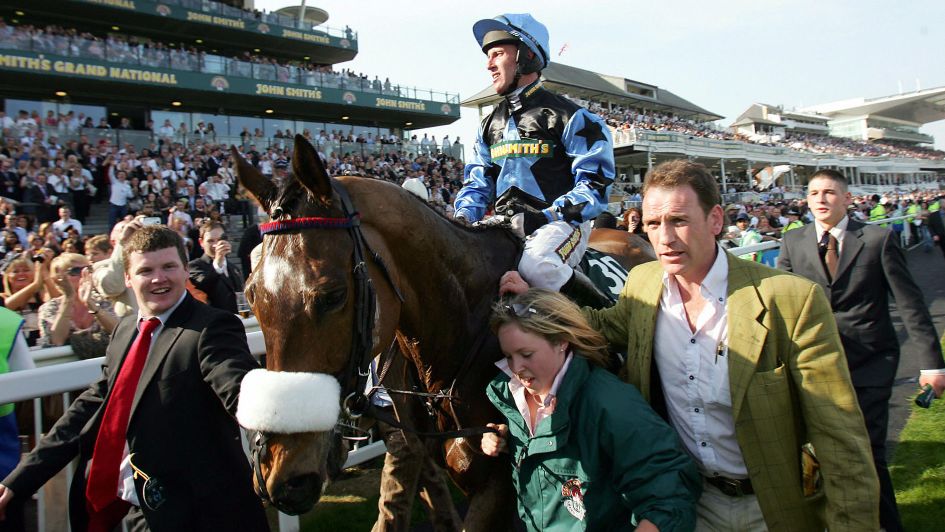
In fact, Silver Birch had been ante-post favourite for the 2005 Grand National after winning the Becher Chase and Welsh Grand National earlier that season. However, a leg injury scuppered those plans and it was more than a year before his then-trainer Paul Nicholls could get him back on a racecourse.
But he didn’t return in anything like the same form and when he did make it to Aintree in 2006, he fell at the Chair, starting at 40/1 after being pulled up in his two previous races. Silver Birch was diagnosed with a heart murmur and sent to the sales where Elliott picked him for just £20,000.
By the time he ran in the Grand National again in 2007, Silver Birch’s losing run under Rules had extended to eight races (he was also beaten in a point), though he had run his best race for some time immediately beforehand when second in the Cross Country at Cheltenham. Sent off at 33/1, Silver Birch provided his young trainer with a Grand National winner before he had even trained a winner under Rules at home in Ireland.
While Silver Birch was one who eventually came good for another stable, the boot was on the other foot when Nicholls coaxed the quirky Tidal Bay back to fulfil the considerable promise he had shown for another yard earlier in his career.
Formerly trained by Howard Johnson, Tidal Bay had been a smart novice hurdler and then proved better still as a novice over fences the following season in 2007/08, winning five of his six starts, notably the Arkle at Cheltenham by 13 lengths.
He looked destined to go to the top as a chaser but, after making a winning reappearance at Carlisle the following season, temperament soon began to get the better of him. It took a return to the smaller obstacles to get Tidal Bay back into the winner’s enclosure, after the 2010 Cleeve Hurdle, but when he lined up as an 11-year-old in the end-of-season bet365 Gold Cup at Sandown in April 2012, the Cleeve was his only success in his last 19 starts, while his last win over fences had been three and a half years earlier.
But out of the blue Tidal Bay put up a top-class effort to win by 15 lengths at Sandown and he put his best foot forward again the following season when getting up in the last strides to beat some of Ireland’s best chasers in the Lexus Chase at Leopardstown.
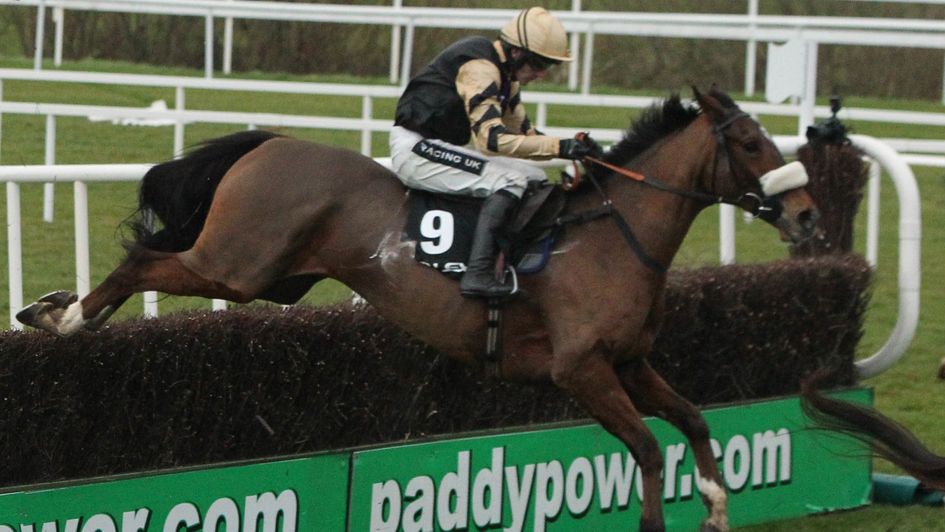
In Tidal Bay’s case, it was temperament which was holding him back, but it’s often a physical issue which accounts for a horse losing winning form. It can happen to the best of them. Sprinter Sacre won his first ten starts over fences, including the 2013 Queen Mother Champion Chase by 19 lengths, a performance which earned him the highest Timeform rating (192p) for a jumper in the modern era.
His reappearance in the Desert Orchid Chase at Kempton the following season was expected to be another formality, but Barry Geraghty sensationally pulled up the 2/9 favourite after jumping only seven fences. Although Sprinter Sacre’s problem – an irregular heartbeat – corrected itself, it was to be more than a year before Nicky Henderson could get him back on the racecourse.
When he did return, he clearly wasn’t the same horse. He was pulled up again when favourite for the Champion Chase after finishing second to the winner of that race, Dodging Bullets, in the Clarence House Chase, and was beaten again, by Special Tiara, in the Celebration Chase at Sandown. But Sprinter Sacre’s hadn’t quite lost all his old brilliance.
In his final campaign in 2015/16, he won all four of his races, notably a second Champion Chase three years after his first, with both Special Tiara and Dodging Bullets among those behind him this time.
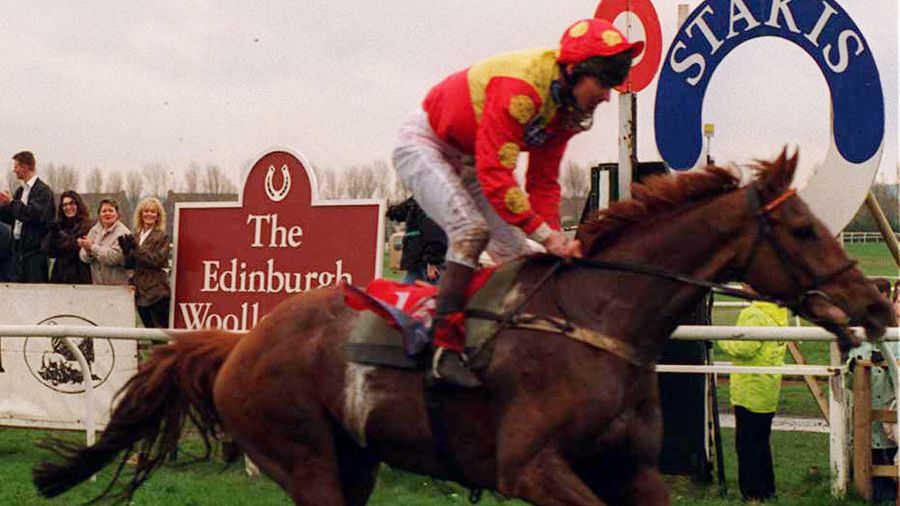
Injuries don’t come much more serious than the one Moorcroft Boy sustained, yet recovered from, to win the biggest race of his career.
Trained by David Nicholson, he was strongly supported on the day for the 1994 Grand National, run on heavy going, having won a couple of good staying chases under similar conditions earlier that season.
He ran his heart out, jumping the last fence in front before finishing third to Miinnehoma, but when returning to Aintree the following autumn Moorcroft Boy fell heavily five from home, sustaining neck injuries which at the time seemed to have ended his career.
Six weeks of treatment at the University of Liverpool Veterinary Hospital and three months’ box rest helped Moorcroft Boy recuperate, and early in 1996 he was able to make a remarkable return to racing. But in his first four starts back he failed to make much impact, and even when third in the Midlands Grand National was beaten a long way behind the winner.
But at 20/1, and from 16 lb out of the handicap, Moorcroft Boy ended his career with victory in the Scottish Grand National after rain had turned the ground in his favour.