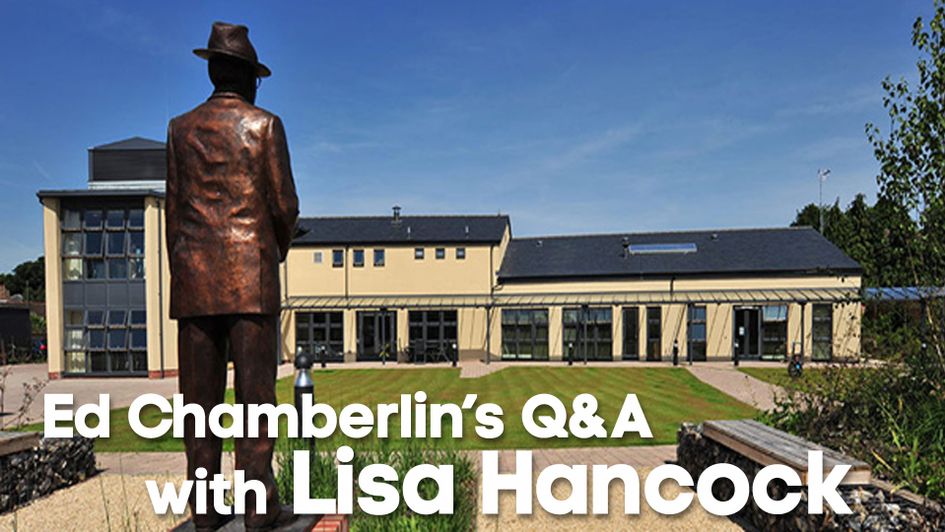
Ed Chamberlin speaks to The Injured Jockeys Fund Chief Executive Lisa Hancock about the coronavirus pandemic and how the charity is helping their most vulnerable beneficiaries through the current crisis.
Ed Chamberlin: It’s such a difficult time for everyone and all our thoughts are once again with those battling coronavirus but, before we start, could you please explain a little bit to our readers about The Injured Jockeys Fund and what it does?
Lisa Hancock: It's been established for some years now - we've been helping people in a crisis for a long time and this current situation is just an extension of that. We're here to offer support, whether it's financial or medical, to anybody who's held a jockey's licence past or present and their dependants. It actually catches quite a large number of people throughout the industry.
EC: And how is The Injured Jockeys Fund funded?
LH: It's entirely from donations - there's no statutory funding from the industry at all. We receive an awful lot of support from donations from racing's many supporters and while I think people think we get supported by the 'big hitters' our typical domination of donation is about £10. We receive an awful lot of £10 donations and we make sure everybody gets thanked for that. We also receive a number of legacies each year where people have left money to us in their Wills, which is just amazing. We also work quite hard on our Christmas campaign which generates a good income for us along with some of our investments which generally pay us good dividends each year, though those investments have dropped dramatically in their value at present with everything that is going on.
EC: You mentioned your Christmas campaigns and the Christmas Cards, in particular, have become almost iconic haven't they?
LH: They have and Christmas has been so important for us, in terms of our profile as much as anything. We're actually working on our Christmas catalogue as we speak and as silly as it sounds, that's proving a big headache with the worry about ordering products made abroad and wondering whether they will get here in time. But it's a vital time for us - a great 'shop window' opportunity for us to liaise with our beneficiaries and with our supporters.
EC: Just explain about how things must have changed - in normal circumstances the IJF now revolves around three centres doesn't it?
LH: It does. In the last 10 years we've added our rehabilitation teams - we've built Oaksey House, Jack Berry House and Peter O'Sullevan House - but in the current climate we've had to close the face-to-face consultations and we've almost gone back to basics, doing a huge amount of telephone support and consultations with the beneficiaries. For the time being we've actually gone round in a big circle but we're managing it well.
EC: I'm really interested to know about Peter O'Sullevan House and how it's done since opening. Has it been a success?
LH: It's been a great success. We opened in August/September 2019; it's a fabulous building, we've got a superb team who have done some really good work over the winter and I actually feel really sorry for them given the timing of everything. We were just making a big difference with the jockey population here and the wool has rather been rather pulled from under us as we are not able to do those one-to-one consultations now. Sadly, we've had to furlough half of our rehab team and those left are working really hard on remote consultations.
EC: Sticking with Peter O'Sullevan House for a moment - I thought Sir Anthony McCoy gave a brilliant speech at the opening. It was just fantastic...
LH: He's fantastic. The key is, he knows it; he understands the game and just how tough it is. He's a fantastic supporter for us and nothing is too much trouble for him. If I give him a call and tell him that someone is struggling and having a hard time, he'll phone them that day and help in any way he can. It was just the same with John Francome before him - we've been very lucky in that sense.
EC: Picking up the earlier point you made about almost going back to how things at the IJF used to be - how exactly is all that working in terms of looking out for the most vulnerable beneficiaries?
LH: We've categorised our beneficiaries in terms of demographic - which wouldn't normally be the way we would usually work - but it's been useful in terms of just making lists of who might be the most vulnerable and need checking up on regularly. We'll make sure someone is in contact with them twice twice a week and are finding that those initial chats have gone from five minutes in duration to thirty minutes now. People are lonely and bored and to have a chat with somebody who cares really helps. Then if we identify that these people are struggling with shopping or anything else, we can help and make sure things like online food shopping or picking up prescriptions are taken care of. We don't want people to be lonely and on their own - we are there for them. Equally, if they've got a medical concern we can advise even though we're not medical experts. If they have an aching shoulder or something, we can help them with exercises and things like that can really help lift people's spirits.
EC: I think one thing we have seen through this crisis is just how brilliant the people of this country are - none more so than some ex jockeys who have given us some inspiring stories...
LH: You're right, we've seen some amazing stories. We've got individuals like Ed Barrett who's doing the 5k Challenge (see video, below) despite severe limitations to his own mobility and he's also challenging other IJF beneficiaries who have their own limitations. He can do that and they'll respond and they'll pick up the challenge and find a way to do it. It's so heartwarming to see.
EC: Lisa, if I can just pick up on something Fran Berry said on ITV recently. He said that jockeys have never had it so good in terms of the IJF facilities available to them and I want to use Tom Marquand as an example of someone who really is the man of the moment right now but always looks in incredible shape to me...
LH: Absolutely. He and his partner, Hollie Doyle, are advocates of the support they get from Oaksey House and their strength and conditioning programmes. Even while Tom has been riding so well in Australia he's been in contact with the team here and I saw he was running around a park in Sydney on the back of some advice he received from our team.
EC: That's so good to hear but do you ever worry that those sportsmen and women who are struggling find it hard to swallow their pride and get in touch?
LH: Yes, I couldn't agree more. These people are so proud and don't immediately seek help if they need it but I urge people to get in touch if, like so many people, they are finding the current circumstances hard. It is really tough for everybody at the moment, please don't be proud, just pick up the phone and give us a call. We are to help.