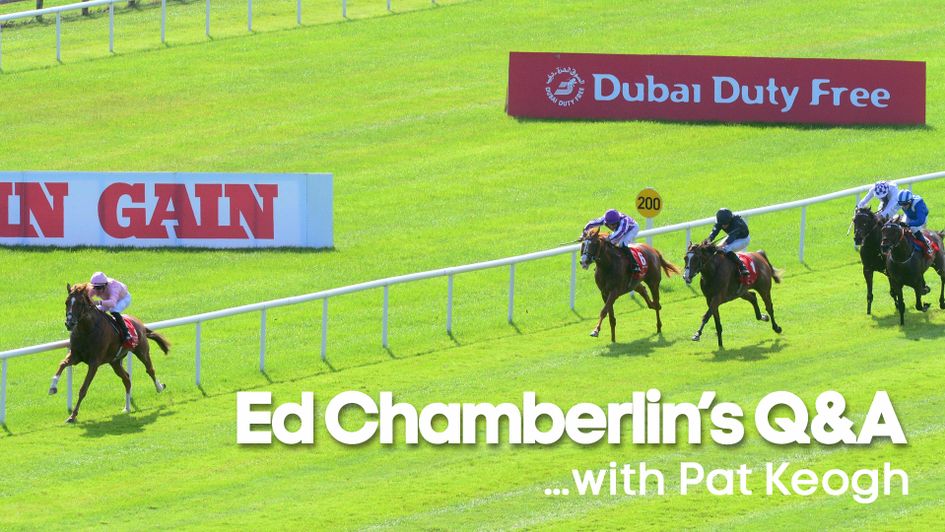
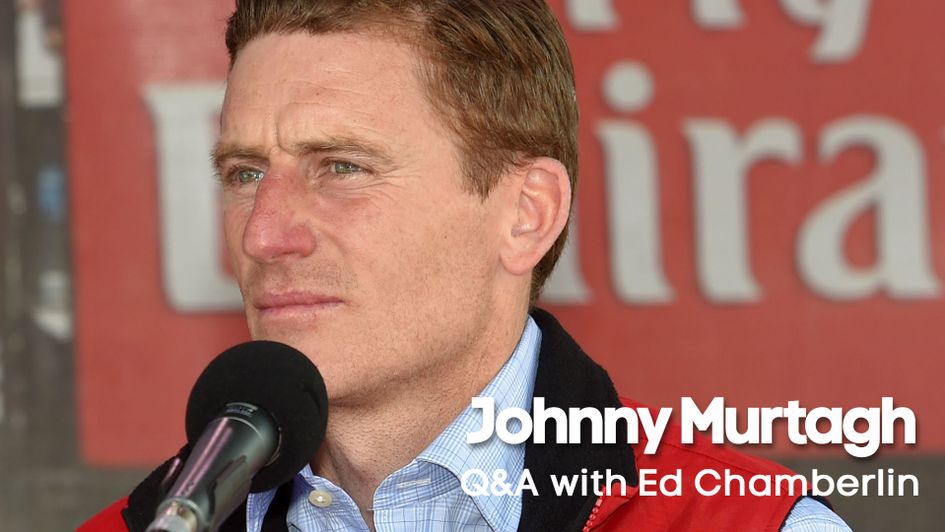
In the latest episode of his lockdown interview series, Ed Chamberlin speaks to Pat Keogh, Chief Executive at the Curragh Racecourse.
Ed Chamberlin: How are things in Ireland and how close do you think we are to a resumption of racing?
Pat Keogh: Things are pretty challenging, we've been in a bit of a state of shock as we've never experienced anything like this before. When you think back to a very few short weeks ago you couldn't imagine anything like this would happen. But it has and the lockdown has come and we've got to take it very, very seriously.
There are lots of issues with this. There are financial issues and everything that goes with that but the thing that really matters at the end of it all is the health of the nation and everyone is taking that very seriously here.
We're far from out of the woods but I think it's under control in Ireland now, please God, and we just have to show more patience with it. We just need to see a continuation of the decline in the number of coronavirus cases and the number of deaths.
But it's good to see just how seriously everyone here has taken it.
EC: Sport can so often be irrelevant, but it can also be important in bringing happiness to people's lives. There was talk of racing potentially resuming in the next couple of weeks, but does that seem unrealistic again now?
PK: Sport does play such a huge part in all of our lives. We run our lives around sport, not only one but many sports. So to have live sport taken away it is clearly causing a lot of pain and people can't wait to get back but it has to be perfectly safe for everyone to do so.
From racing's point of view, we were fortunate to hold the 10 meetings before the lockdown came, and there were very strict protocols in place which clearly worked. So racing has taken place here safely, as it has done in other parts of the world.
We're race-ready here at the moment. We were supposed to race here on Saturday March 28 and the curtains came down unfortunately. But we're ready to go and the protocols are in place. I think there was something suggested in the media that we might get back sooner than the end of May, but there's not much point in second-guessing - the health numbers will determine that.
But when that time comes Ireland will be ready for racing.
EC: If that is towards the end of May what does that mean as far as the Guineas is concerned?
PK: Our next meeting was supposed to be Monday which is obviously gone and the next meeting then is the Guineas which is May 23-24 which is currently scheduled to take place. That can only happen if we're given the go-ahead and depending on when that go-ahead is then trainers need the time in advance to have their horses ready for a Guineas. They aren't decisions for me to make.
The HRI will obviously wait for the government to give approval but we're all ready for when we get that phone call to say we're on.
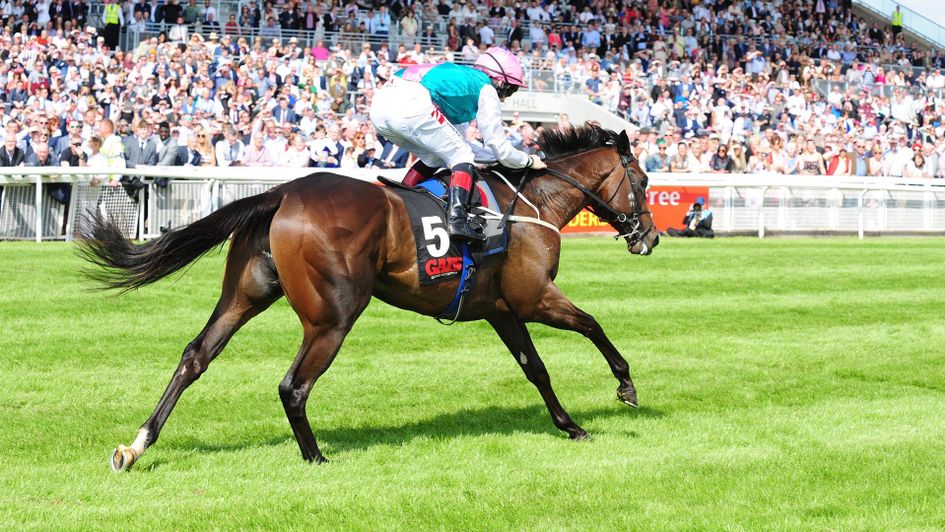
EC: And just how well set up is the Curragh for racing behind closes doors?
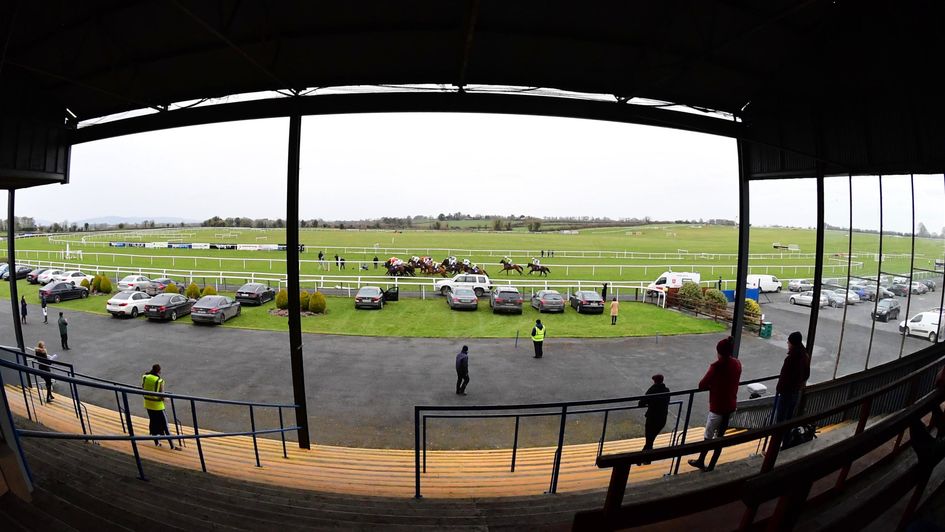
PK: It's perfect - what you need is the ability to make sure you can follow the social distancing guidelines and provide an enclosure that'll be secure.
What it'll mean is that there'll just be two entrances to the racecourses, the horses, trainers and grooms will be scanned and have their passes so we'll know who they are. And in terms of the numbers, the protocols are being updated all the time but there won't be any owners allowed and sponsors won't be able to come in.
There will be a limited number of media and then those professionals who have to be at the racecourse will be asked to leave as soon as their business is over.
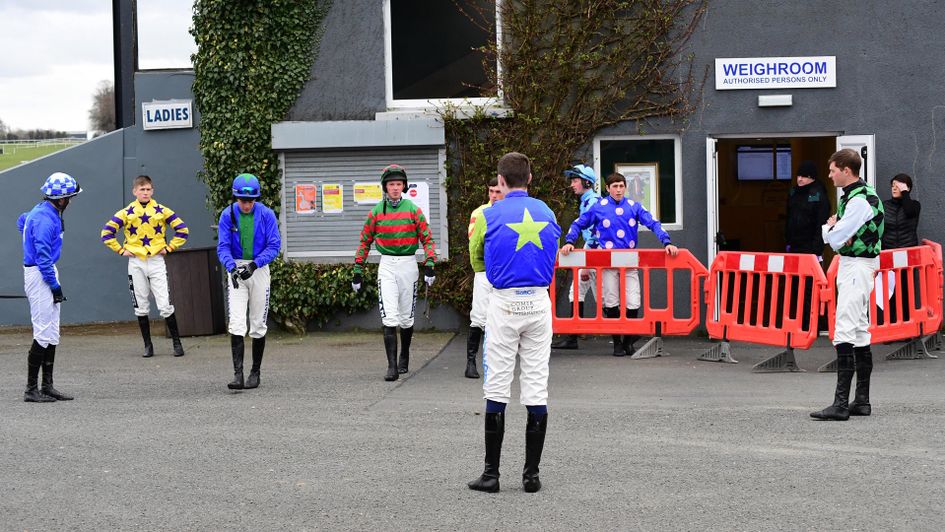
So the jockeys will come and park their cars in close proximity to the weighing room. They will weigh in and if they have more than one ride on the day they will return to their car while they wait for the next. And the minute they finish they'll go again.
So at the meetings that have taken place behind closed doors already, the numbers on the racecourse are actually quite small. I think it maxed out at 250 people at any point in time, all maintaining their distance, and it goes without saying that in advance of the meeting the racecourse will be completely deep-cleaned and all the sanitisers will be available throughout. No risks will be taken.
EC: An issue for me over here surrounds the subject of the smaller racecourses. My worry moving forward is for those smaller tracks - what's it like in Ireland for those places? Are they receiving support too?
PK: We're fortunate here in that all courses are under control of Horse Racing Ireland. Some tracks are independently owned but HRI own most courses and control racing. And they've always done things for all tracks, every venue is looked after the same.
That's one of the really important things about Irish racing. Killarney, Laytown, Kilbeggan, all the smaller places as well as the bigger tracks, are looked after equally by HRI.
And some of the small tracks are maybe in a better position than the bigger ones due to costs but every course has costs and Horse Racing Ireland will look after everyone's interests as best they can.
EC: Looking back on your time at one of the really big tracks now - Leopardstown. You must recall those days with great pride. What would your fondest memory from looking after the place there?
PK: That's a tough one. I grew up besides Leopardstown and my father brought me when I was a young boy, it was just extraordinary to get the opportunity to go back there and get involved so closely with Leopardstown for the years I was there.
They were great years - some great racing.
There's been a big spend at Leopardstown, it was always a fine track but there was some good investment made and anyone going back there over the last few years will have seen major improvement and the facilities are still improving.
I'm delighted and very proud to have been a part of that.
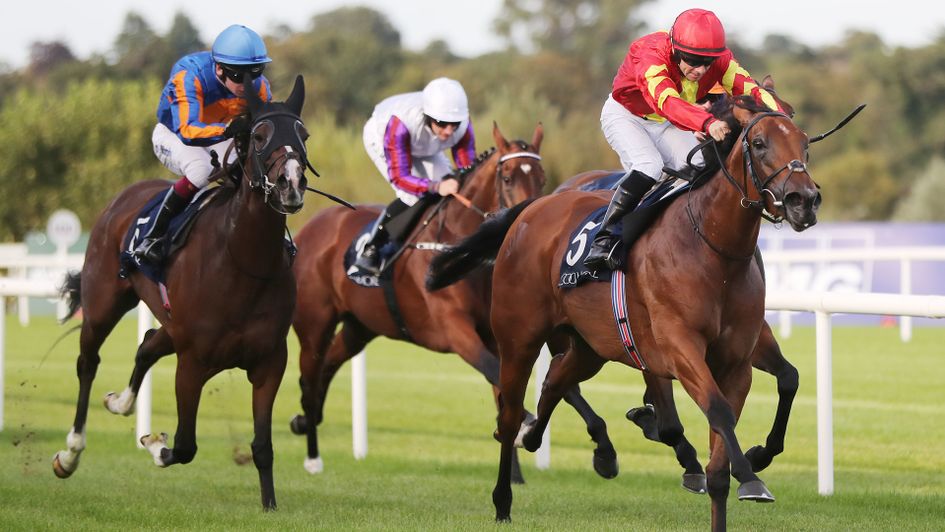
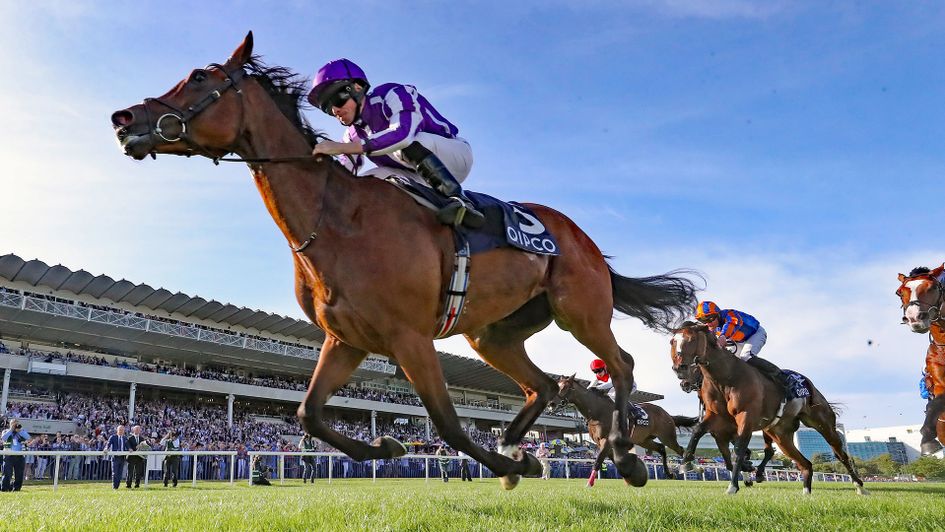
EC: As for the action on the track and, firstly, on the Flat - you must have been delighted with the way that Irish Champions Weekend grew and grew, getting that global influence on the meeting, including Deirdre at the meeting last year.
PK: The internationalisation of sport is very important and all sports have benefited from that global aspect. Just look at rugby union - the Lions' tour, the World Cups and everything that goes with that.
Similarly, it's natural in racing. It's only when you compare your domestic racing with other horses from around the world is when you get to see how good you are.
So the whole idea of Longines Irish Champions Weekend was to get the best available to come to compete in six Group One races over two days at Leopardstown and the Curragh. It's gone very well and been very well supported by the English and French horses as well.
We didn't have many French runners in Ireland but then Champions Weekend came along and we had Almanzor, New Bay and a number of others. You always saw what affect a Japanese horse coming over for the Arc had in France, the crowds and everything coming from Tokyo - it wasn't just Japanese people living in France who were going along.
So we always thought it would be great if we got a Japanese runner and the JRA have been very close to Irish racing and we started a dialogue with them. I paid a number of trips out there to Japan and it's an extraordinary experience out there.
Japan Cup day is sensational but Group One day there is a huge crowd so it's no secret we made it our goal to try and attract a Japanese horse and it was fantastic that Deirdre came for the Irish Champion Stakes.
The television viewing numbers in Japan are huge and it was wonderful.
Deirdre didn't have her ground conditions at Royal Ascot but then she went to Goodwood and was impressive there, then she came to Ireland and ran really, really well. She had very little luck in running and was flying at the finish. She might have been second with a better run. It clearly said that it can be done and everyone connected to the horse loved it. I hope they'll be back one day.
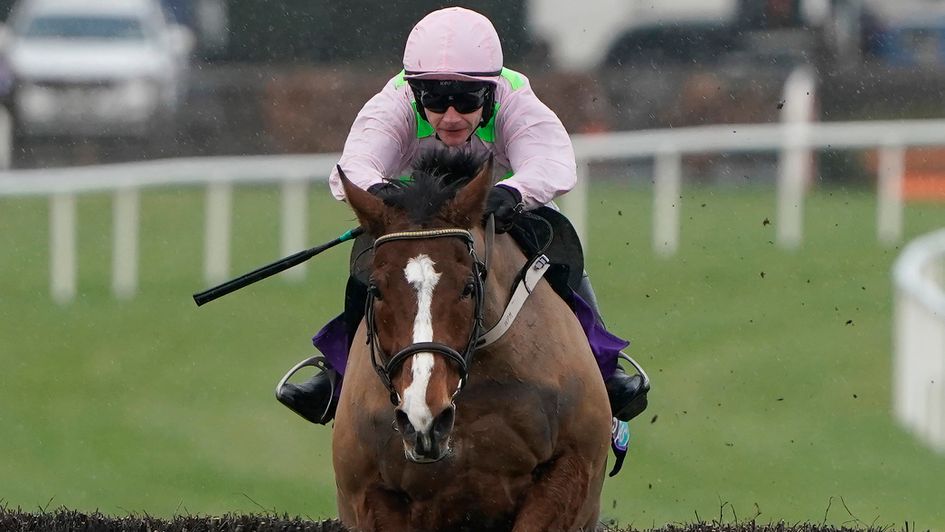
EC: Onto the Dublin Racing Festival, Leopardstown's major jumps meeting in February. It's been a huge success too, the only thing I can't understand is that, particularly on the Sunday, it couldn't sell out. Why do you think that was and how frustrating was it?
PK: I think first of all with the Dublin Racing Festival, we believe it's the right thing. It's the right racing and it's at the right time in the calendar. You have everything over Christmas at Kempton and Leopardstown and everywhere else, then everything in the spring from Cheltenham, to Aintree, to Punchestown and beyond, but no big festival in between.
So we felt if we bring together our Grade One races we knew it would work. It attracted the right horses and got the right kind of reaction and when you think about the attendances and one or two other things Ed, Cheltenham didn't happen overnight.
It will happen, it will absolutely sell out.
People prefer racing on a Saturday more than a Sunday now it seems, it used to be the other way around in Ireland but there has been a shift. People like to go when they're not working the following day. But if you keep doing the right thing - and we're convinced it's the right thing - then I'm sure it'll go from strength to strength.
EC: People will no doubt associate those two major meetings with you, but then rumour started to spread that Pat Keogh was going to go to the Curragh - you have of course, so how big a challenge did you face and how big a challenge remains?
PK: Leopardstown has been great but it's been there for a few hundred years and it's not because of me. It's a great strip of earth and it's the support of Dubliners and a great team at the racecourse that have made Leopardstown what it is.
It is a huge team effort and I look forward to seeing it continuing the flourish which I'm sure it will do.
The Curragh is the home of Irish racing, the home of the Classics and a very special place. I used to go as a young boy and there was always quality racing.
It was rebuilt and needed it as the old Curragh was falling down in a bad way, then the opportunity arose for me to go there last year. And it's one I couldn't turn down. I'm delighted I did make the move.
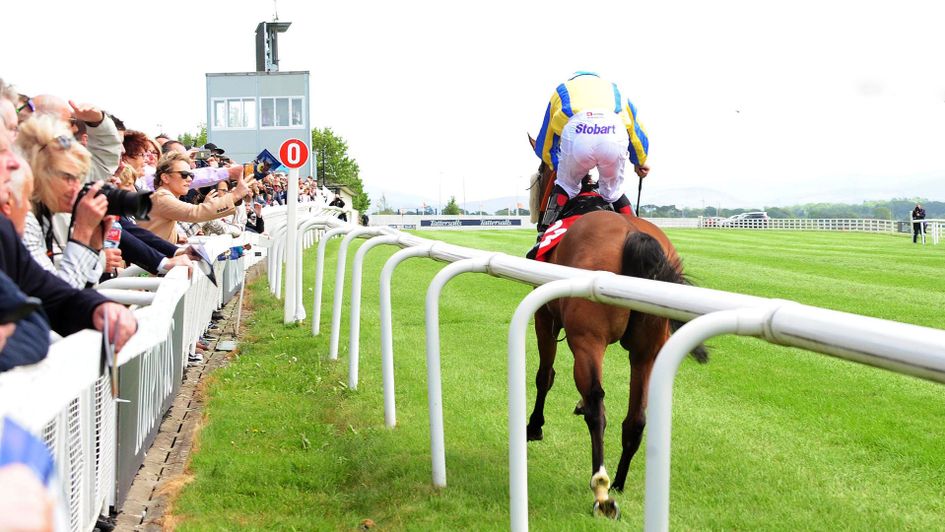
EC: But there are still several things you're going to need to change aren't there?
PK: The coverage we received at the start of last year was very disappointing, no doubt.
When you open a new sporting venue like that it can be tricky - racing is very different, say, to a football stadium, for instance. If you go back to a football stadium after a rebuild you're probably still in the same row and the same seat and the pitch is still the same distance away. By and large, the experience is going to be similar, if not the same.
Racing is different - if you and I go racing then there's a chance we'll spend the whole day there and not see each other. People's experiences can be very different. And you only know with racing when the venue opens - only then is when you realise whether you've nailed it.
The likes of Ascot and ParisLongchamp have experienced that in the past and it was the same with the Curragh. There were teething problems when it opened, of course, and we were too slow to react.
It was slow to open and it was disruptive that the opening had to be put back a month, then when it did open it was barely ready for opening, but I'm not wanting to make excuses. It was a big job to get it going and we didn't deal with those early problems well.
So we got some negative publicity - as well as some positive publicity it has to be said - and what we've actually done is a little bit towards the back end of last season, plus a number of changes during the winter.
One of the frustrations for me was that we didn't get to race at the end of March and to get people in. We've made a few changes, moved things around a little bit, and I think people will like what they see. We're not exactly where we want it to be but we've done enough to make people realise we've been listening.
We want the Curragh to be a racecourse for the people as that's what it always was. The Curragh, compared to Leopardstown in some respects, is in the middle of horse racing country and right at the heart of that in many ways. People are very close to the horse and have a close appreciation of the sport and the animal around here and we want to make the racecourse a place they'll really enjoy and be proud of.
It'll be better this year - it's not quite where we want it to be just yet - and I think we've dealt with the mistakes we made early last year.
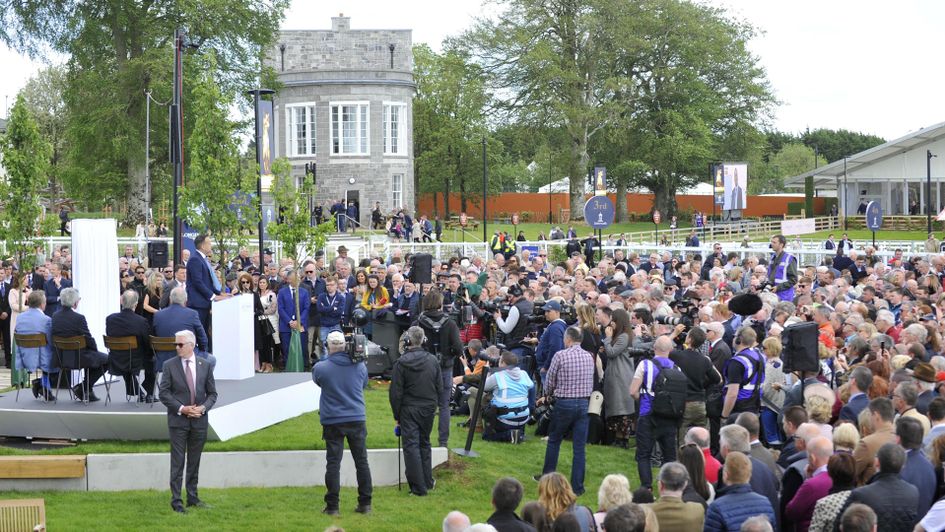
EC: Looking from afar it seems the Curragh may have just lost that association with the local community but knowing you as I do, I imagine you'll be trying to get that connection back?
PK: I think it is and it was very obvious after we opened last season that those people were disappointed. The whole staff knew that was something that had to be corrected.
If the local people feel they have a kind of ownership of the Curragh, it will succeed. If they don't feel ownership of the Curragh, we'll have failed.
And we've made strides over the winter in the local community which we perhaps haven't done for a few years.
It was closed for development of course and it was a bit of a building site to a certain extent, the facilities suffered a bit, but that's in the past and when people come back to the Curragh they're going to like what they see.
Responsible gambling
We are committed in our support of responsible gambling. Recommended bets are advised to over-18s and we strongly encourage readers to wager only what they can afford to lose.
Sky Bet's responsible gambling tools are detailed here and if you are concerned about your gambling, please call the National Gambling Helpline on 0808 8020 133, or visit begambleaware.org.
Further support and information can be found at GamCare and gamblingtherapy.org.