Sunderland's decline down the English football pyramid needs no further explanation; the story of one side crashing down to the third tier has been well documented in recent seasons.
They have attracted a global audience due to the Netflix series Sunderland ’Til I Die. An English football story has turned into a worldwide one.
The first series aimed to follow a club who were looking to return to the Premier League at the first time of asking. Instead, it revealed all on an outfit who ended up relegated from the Sky Bet Championship.
Series two is out on Wednesday which followed their debut campaign in Sky Bet League One and, spoiler alert, things don't get much better.
Two appearances at Wembley ended in defeat, with Portsmouth securing success in the Checkatrade Trophy final and Charlton's strike in the dying seconds of the play-off final denying them promotion.
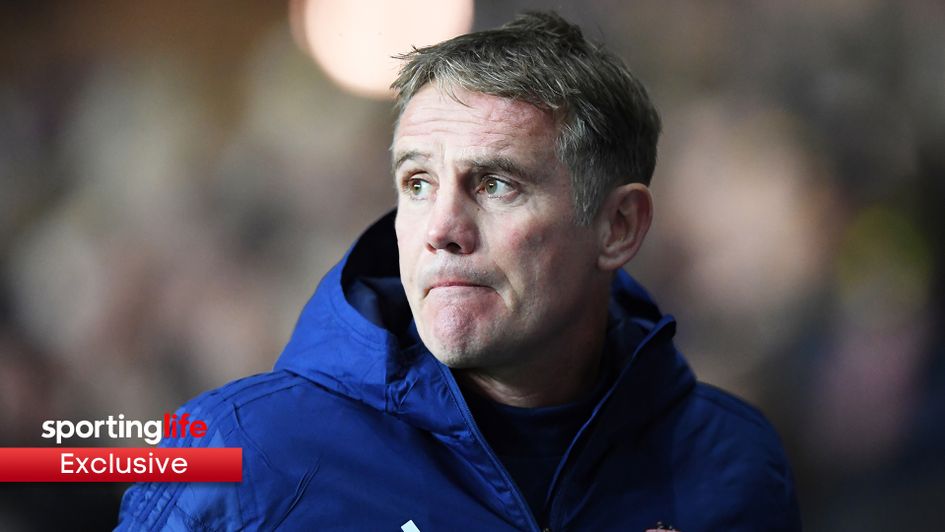
Things have changed though and there's a new man at the helm. Phil Parkinson, who gained a huge reputation due to his efforts with League Two side Bradford, is under no illusions at the size of the task he has undertaken.
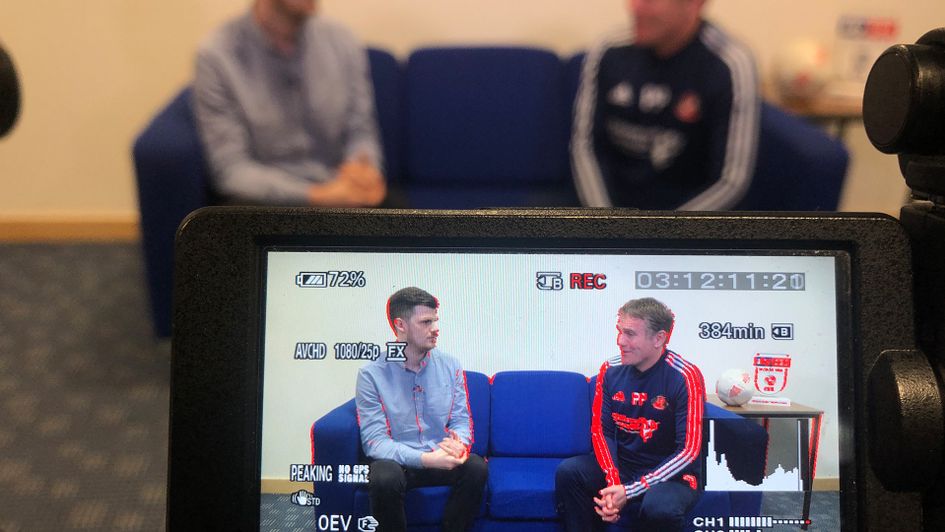
"It's an amazing club," he told Sporting Life in an exclusive interview in February.
"The passion of the supporters is incredible and they've made a big contribution to help us turn the results around and get us into this challenging position. Both home and away, they've been excellent for us.
"As a club, the potential is huge but when I first came in, I kind of had a feeling that people felt that we had a divine right to win because of the size and the stature of the club.
"Unfortunately, on a Saturday afternoon at three o'clock that doesn't count for a great deal.
"It's to do with the work on the training ground, leading into that game, the desire of the players, the structure and finding a way to play.
"I feel that the culture around the training ground has improved a lot and we're heading in the right direction but we've got a lot of work to do still."
Those watching the newest series of their documentary would be forgiven for believing that the club is struggling to go forward.
However, that's not the case. With the team finding its feet once again on the pitch, the facilities they have available give them a significant advantage over most, if not all, teams at this level.
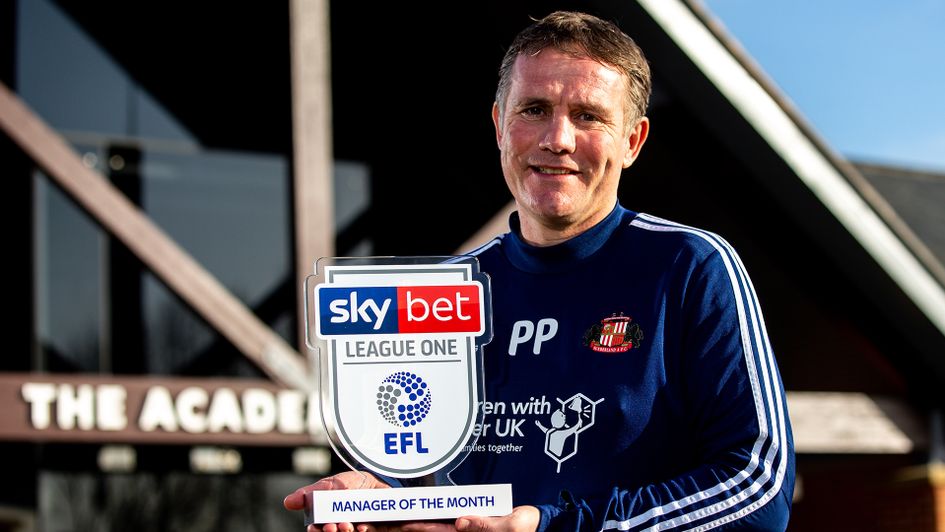
Sunderland recently announced the return of Category One status for their academy. A club blessed with elite training space in England's third tier.
The Academy of Light boasts top-level facilities. The positive remains of a Premier League spell that still leaves somewhat of a bitter taste given their fall down the ladder.
Parkinson gives the impression of the training ground being the nucleus for a football club. An area that's not often seen but one that is imperative for success.
And it's not just the work on the pitch that matters, but also the way in which the coaching staff manage their relationship with the squad.
"Myself and the staff always work hard to get the absolute maximum out of players and never write anybody off," he states.
"We're trying to constantly find ways to improve players individually because it's key. They all want to do well.
"Some players will have dips in form and when they do that it's important not to say 'I'm not going to play him again'.
"It's looking at how we can get them back to form. It might be something away from the pitch that they need help with.
"It's making sure that you spend enough time with every player in the squad and trying to get the best out of them."
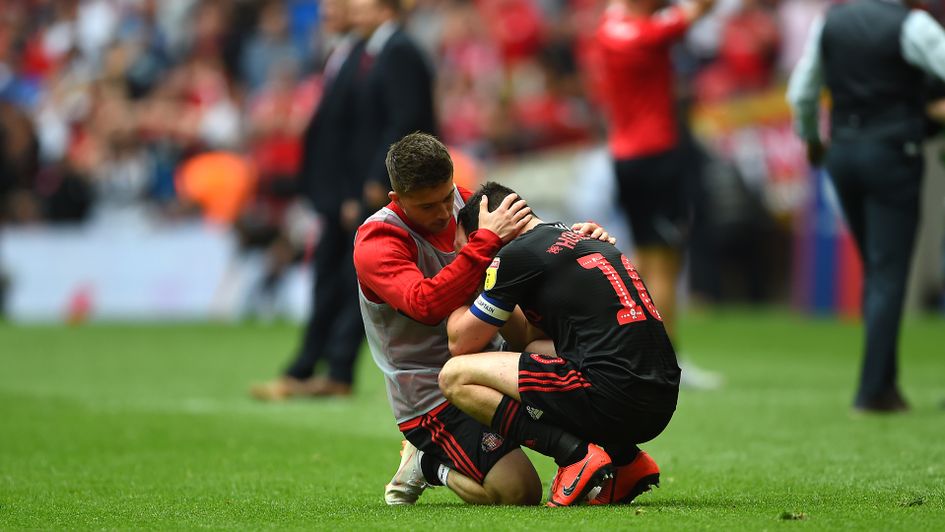
Sunderland's attempt to return to the Championship at the first time of asking ended in cruel fashion.
Patrick Bauer scored with virtually the last kick of the game to send Charlton up as play-off winners. The smallest of margins making a huge impact.
The Black Cats are back at the right end of the table though. Only goal difference keeps them out of the top-six after 37 games.
In Parkinson, Sunderland have a manager who is determined to give it his all to ensure they go one better this time around.
"When the season draws to a close, and we're all on holiday if we're fortunate enough to go away, you've got to look back and say we did everything that we possibly could to achieve promotion," he concludes.
"We made the tough decisions as a management team. The players gave everything they could on a day-to-day basis.
"We played in the right way and we put enough emphasis on the detail of our preparation. If we've done all those things and we've been successful then fantastic. If we haven't, that will sit comfortably with me.
"But it's important now that the players, the staff and the supporters are ready to give absolutely everything for the last games."