The African football calendar looms large over the winter months as the 2025 edition of the Africa Cup of Nations kicks off on 21 December in Morocco. For Premier League clubs, it could not come at a worse time – the festive fixture pile-up, the run-up to the FA Cup third round and the condensing schedule all guarantee a punishing stretch.
The very structure of English football ensures that the loss of key players to national-team duty during this period may be more than a mere inconvenience – it can derail momentum, destabilise team dynamics and swing the balance in a tight season.
Some clubs get off lightly. Among the few fortunate sides in this year’s Premier League crop are Arsenal and Chelsea, both unscathed by AFCON 2025, with none of their players heading to Morocco.
For clubs entrenched in title races, European-qualification battles or relegation scraps this season, that spells a rare advantage: no enforced reshuffle, no last-minute tactical contortions just when form matters most.
At the other end stand clubs like Sunderland and Wolves. High-flying Sunderland, in particular, are bracing for a severe blow, with as many as seven players due to depart for AFCON, many of them regular starters. Wolves too could lose multiple first-team players, compounding their relegation fight.
And yet the club facing the most acute disruption may be Manchester United. While they don’t boast the sheer number of outgoing players that Sunderland do, the quality and value of those set to depart makes United arguably the team worst hit.
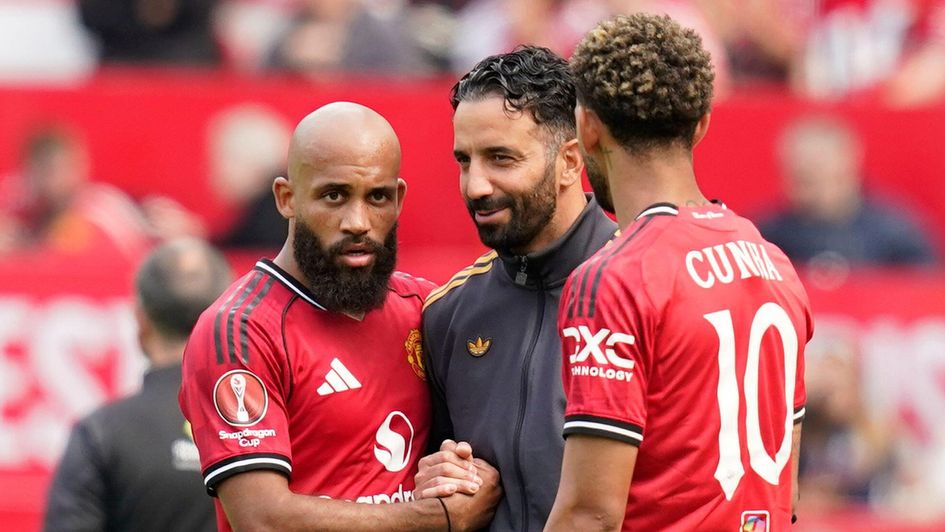
United are set to lose three players for AFCON 2025: Bryan Mbeumo, Amad Diallo and Noussair Mazraoui. On paper that tally is modest compared to others, but the impact could be far deeper.
Between them, the three have cost the club around £125m: up to £71m for Mbeumo, £37m for Diallo and £17m for Mazraoui. Even before kicking a ball this season, United have invested heavily in the trio – a significant outlay for players who, over the crucial winter period, may be unavailable.
The financial commitment reflects the promise and potential United see in them; more importantly, it reflects their on-field importance. Mbeumo and Diallo, in particular, have emerged as central figures in United’s attacking set-up this season.
With Mbeumo representing Cameroon, Diallo Ivory Coast and Mazraoui Morocco, all are due to depart for the tournament in late December. That means missing not just festive-period clashes but also early January fixtures and potentially a crucial FA Cup third-round tie – effectively jeopardising a run of six to eight matches.
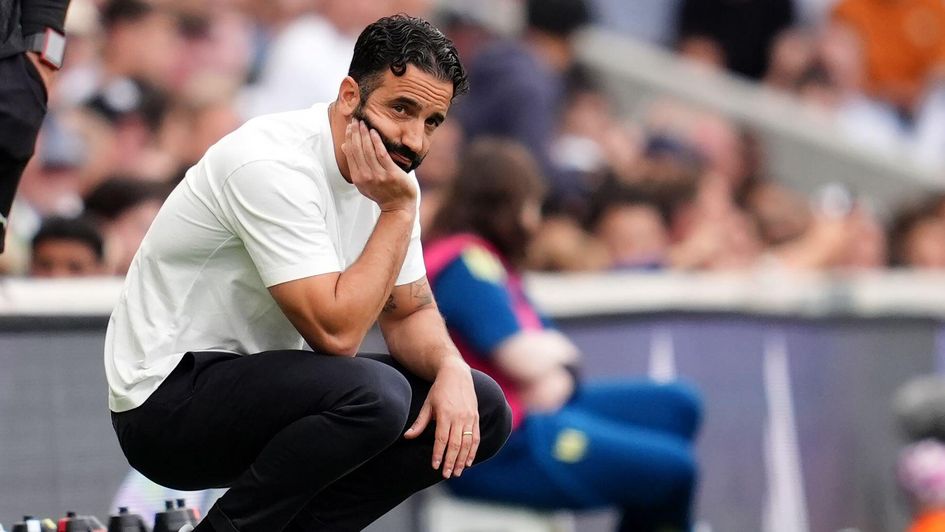
For a side chasing European qualification, that represents a major handicap. But the threat to United goes beyond missing appearances. The loss of creative spark, chance-creation and goal threat could unravel much of what manager Ruben Amorim will feel he has started to build this season.
Mbeumo’s arrival at United has been met with excitement. With six goals and an assists across all competitions, he has been United’s most consistent forward this term, offering a reliable source of pace, width and attacking unpredictability. His direct dribbling, quick interplay and ability to stretch defences offered a new dimension.
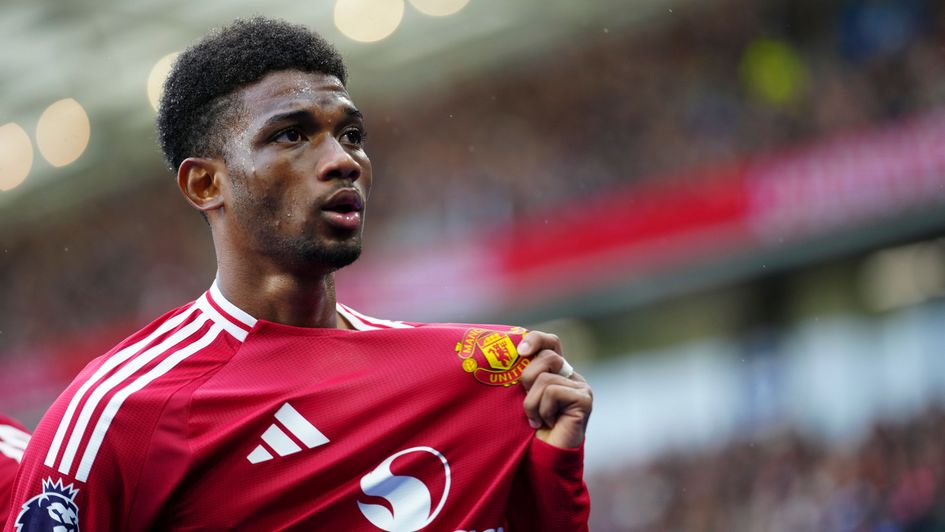
Diallo, too – often used for his versatility and fluidity across the front line or at wing-back – has provided goal threat and movement that have helped United’s attack transition from a rigid structure into a more dynamic, interchangeable front three. With both men combining physical attributes, speed and an aptitude for exploiting space, they’ve given United verticality and unpredictability they had lacked.
Losing both simultaneously will pose a severe challenge. Replacing one might be possible with rotation, but losing both strips away much of the attacking variation, especially in matches where width and directness will be essential.
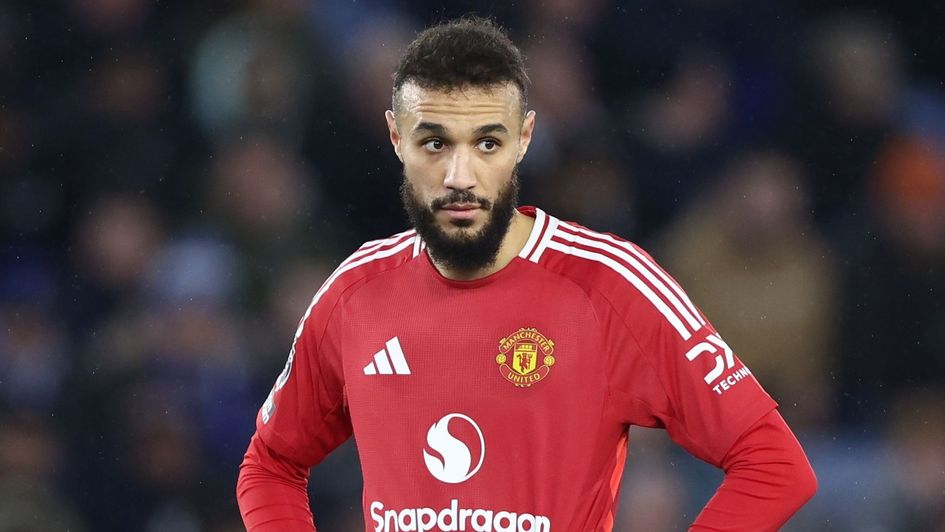
Mazraoui may not contribute as directly to goals, but as a defender with the versatility to play as a wing-back or wide centre-back, he offers balance. His departure further complicates squad depth and could force adjustments on both defensive and attacking phases, especially with the winter fixture congestion.
Consider the cost: £125m invested in three players whose contributions – both potential and actual – are now paused. That’s not trivial. For a club with high expectations, it underlines the scale of the test AFCON absences present.
Compare this to Arsenal and Chelsea, who both escape this winter unscathed. Their attacking rhythm will remain intact, their defensive and creative structures untouched. While they continue to battle in tight races at the top, other clubs will be forced to adapt, rotate and patch together makeshift line-ups. Meanwhile, United, with what looked like promising firepower, may suddenly find their fire dampened.
Sunderland, Wolves and others will lose more players numerically, but for them, the lost names do not match the market value or recent impact of United’s trio. For clubs with less depth and fewer resources, the hit may be deep, but for United, the combination of financial outlay and current importance means the damage could resonate longer and harder.
As AFCON 2025 approaches, the fixture list grows sharper and the FA Cup looms, United’s push to finish among the Premier League elite – or to claw their way back into Europe – now hangs by a thread. The departure of three potentially game-altering players for an extended period isn’t just inconvenient. It might well be a defining blow.
More from Sporting Life
- Fixtures, results and live scores
- Home of This Week's Acca
- Football and other sports tips
- Download the Sporting Life app
- Podcasts and video content
Safer gambling
We are committed in our support of safer gambling. Recommended bets are advised to over-18s and we strongly encourage readers to wager only what they can afford to lose.
If you are concerned about your gambling, please call the National Gambling Helpline / GamCare on 0808 8020 133.
Further support and information can be found at begambleaware.org and gamblingtherapy.org.