World Cup Betting Tips & Strategies: Stats Every Bettor Should Know
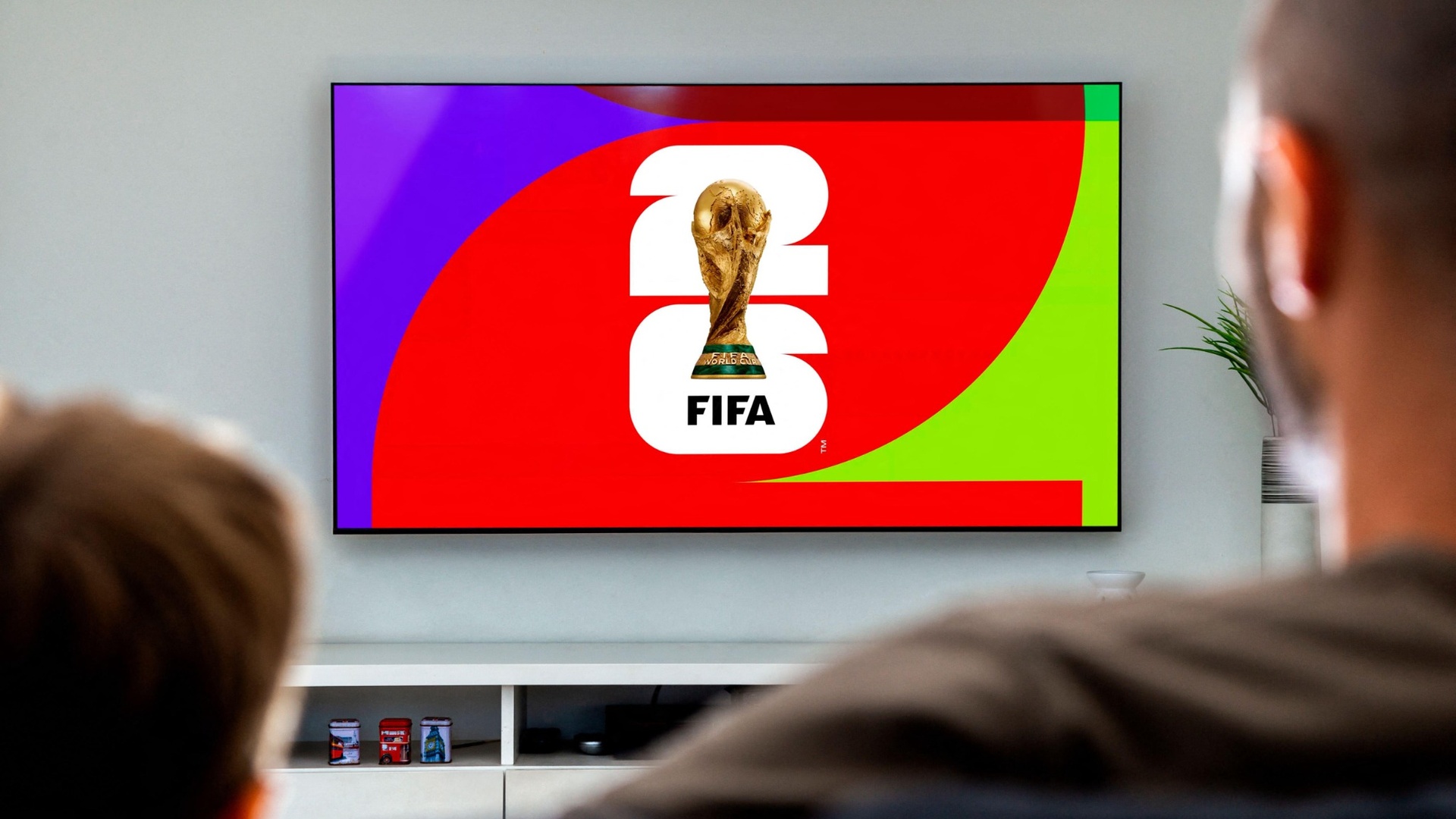
FIFA World Cup 2026 represents the biggest betting event in football, with matches spanning an entire month across the United States, Canada, and Mexico. World Cup betting offers bettors a unique challenge—this is a tournament where historical trends, statistical patterns, and tactical evolution intersect in ways that can expose value in betting markets.
Understanding the underlying statistics that drive World Cup outcomes is crucial for anyone looking to bet intelligently throughout the tournament. From group stage upset probabilities to knockout round defensive patterns, the data reveals recurring themes that sharp bettors use to identify edges. This guide breaks down the key stats every bettor should know before placing World Cup bets, whether you're backing tournament favourites or hunting value in less obvious markets.
If you're exploring FIFA World Cup betting odds or comparing world cup betting offers ahead of the 2026 tournament, combining promotional value with statistical insight gives you the strongest foundation for making informed decisions.
Historical World Cup Betting Trends
Home Advantage in Modern Tournaments
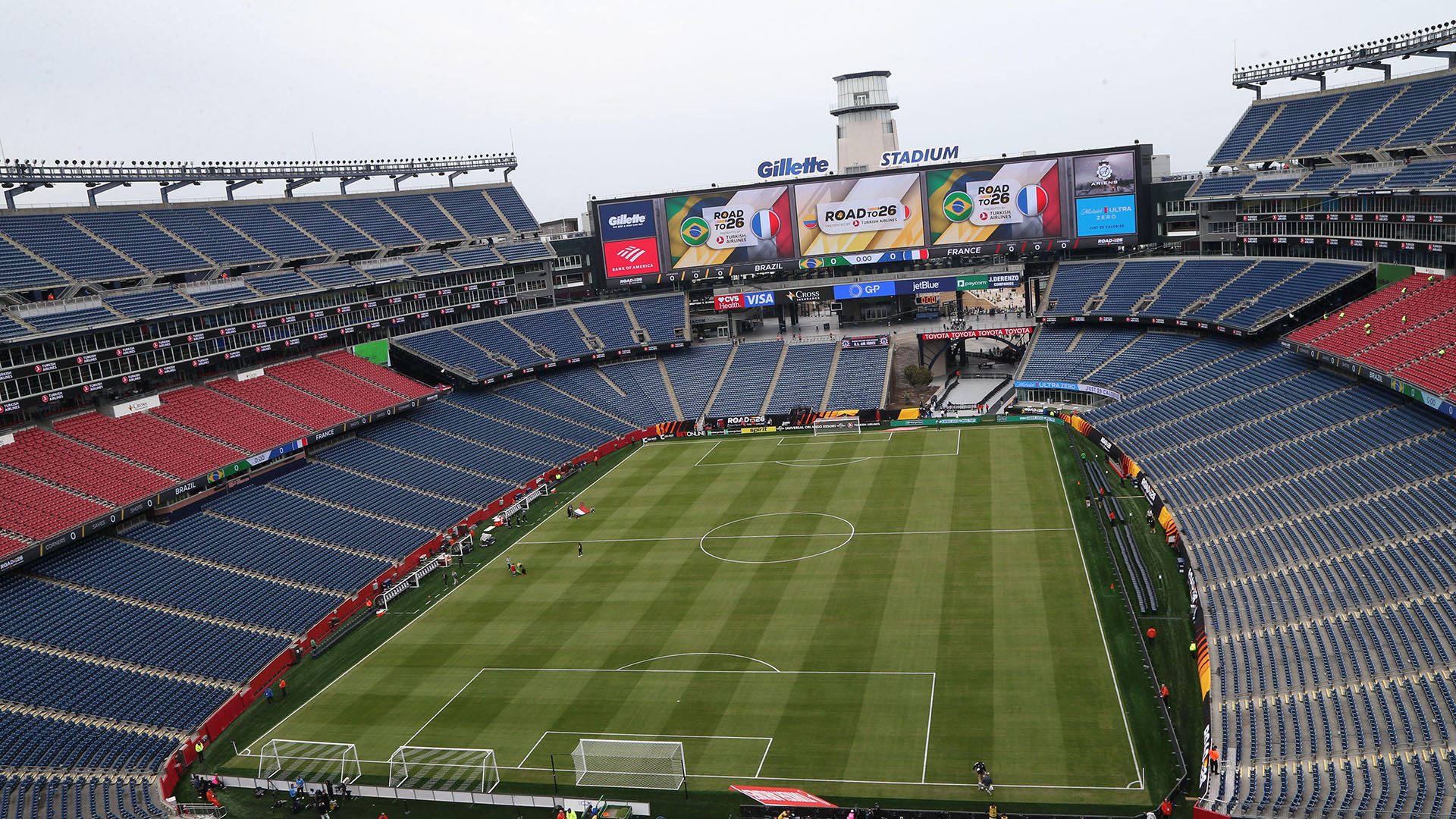
Home advantage has proven statistically significant in World Cup history. Host nations have won six of the 22 tournaments held to date, with the host reaching at least the semi-finals in 13 instances. The 2026 tournament presents an unusual scenario—three host nations (USA, Canada, Mexico) will compete, diluting the traditional home advantage but still offering crowd support and reduced travel.
Mexico has historically performed well at home World Cups, reaching the quarter-finals in both 1970 and 1986. The USA progressed to the Round of 16 in 1994, while Canada has limited World Cup pedigree but will benefit from passionate home support. Betting markets typically overcompensate for home advantage in the early rounds, creating potential value in opposing host nations during the group stage when expectations are inflated.
Group Stage Upset Frequency
Group stage upsets occur more frequently than betting odds suggest. Analysis of the last five World Cups shows that in approximately 35 per cent of group stage matches, the team priced as underdog (longer than 2/1) either wins or draws. This upset rate increases slightly in the opening round of fixtures, when teams are still finding rhythm and tactical familiarity.
The expanded 48-team format in 2026 introduces 16 groups of three teams, with the top two progressing. This structural change increases variance—with only two group matches per team, a single result carries greater weight. Underdogs may adopt more aggressive tactics knowing they cannot afford a cautious approach, potentially increasing goal expectancy and upset probability.
Tournament Favourites vs Value Bets
Favourite Performance Patterns
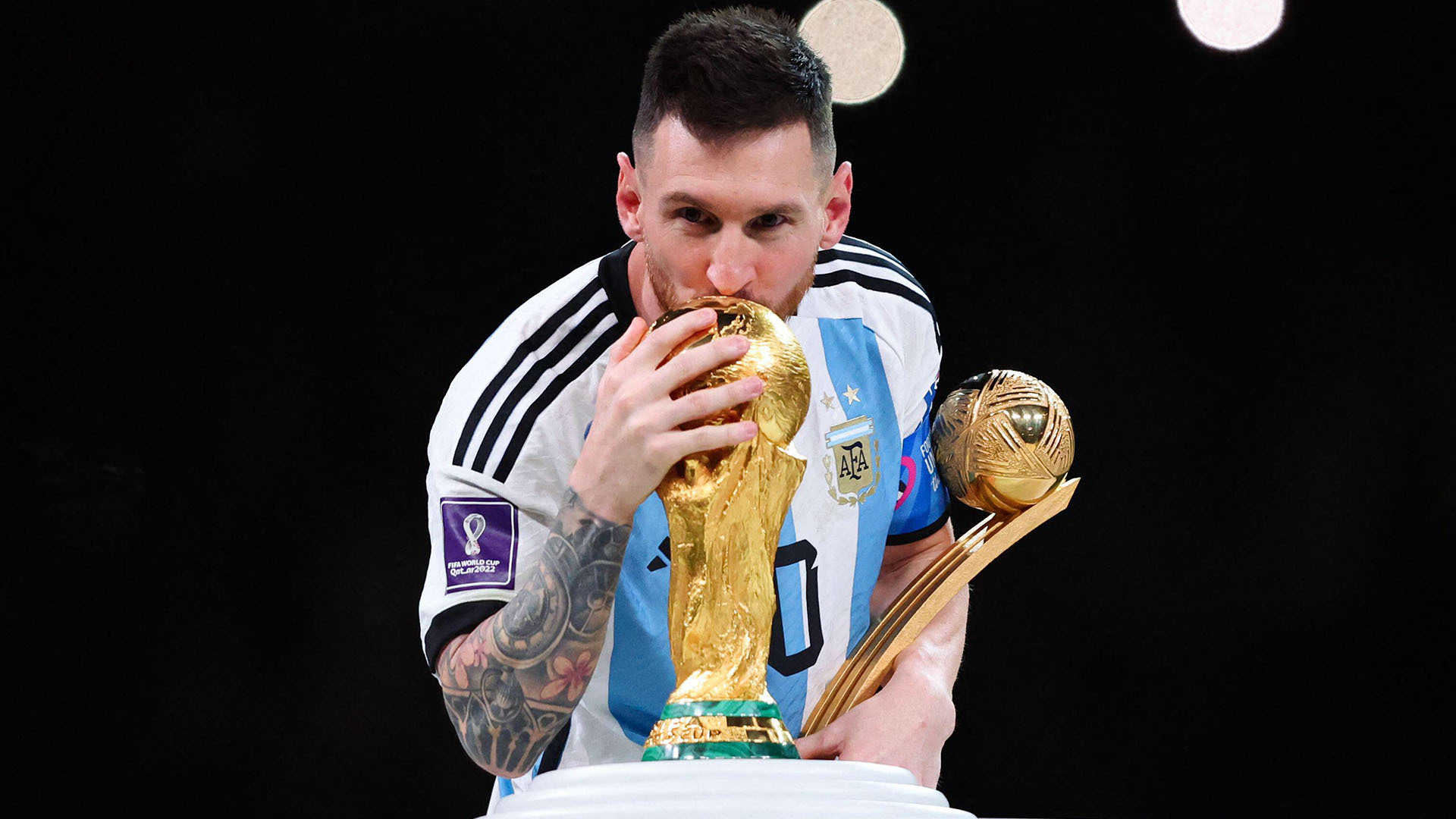
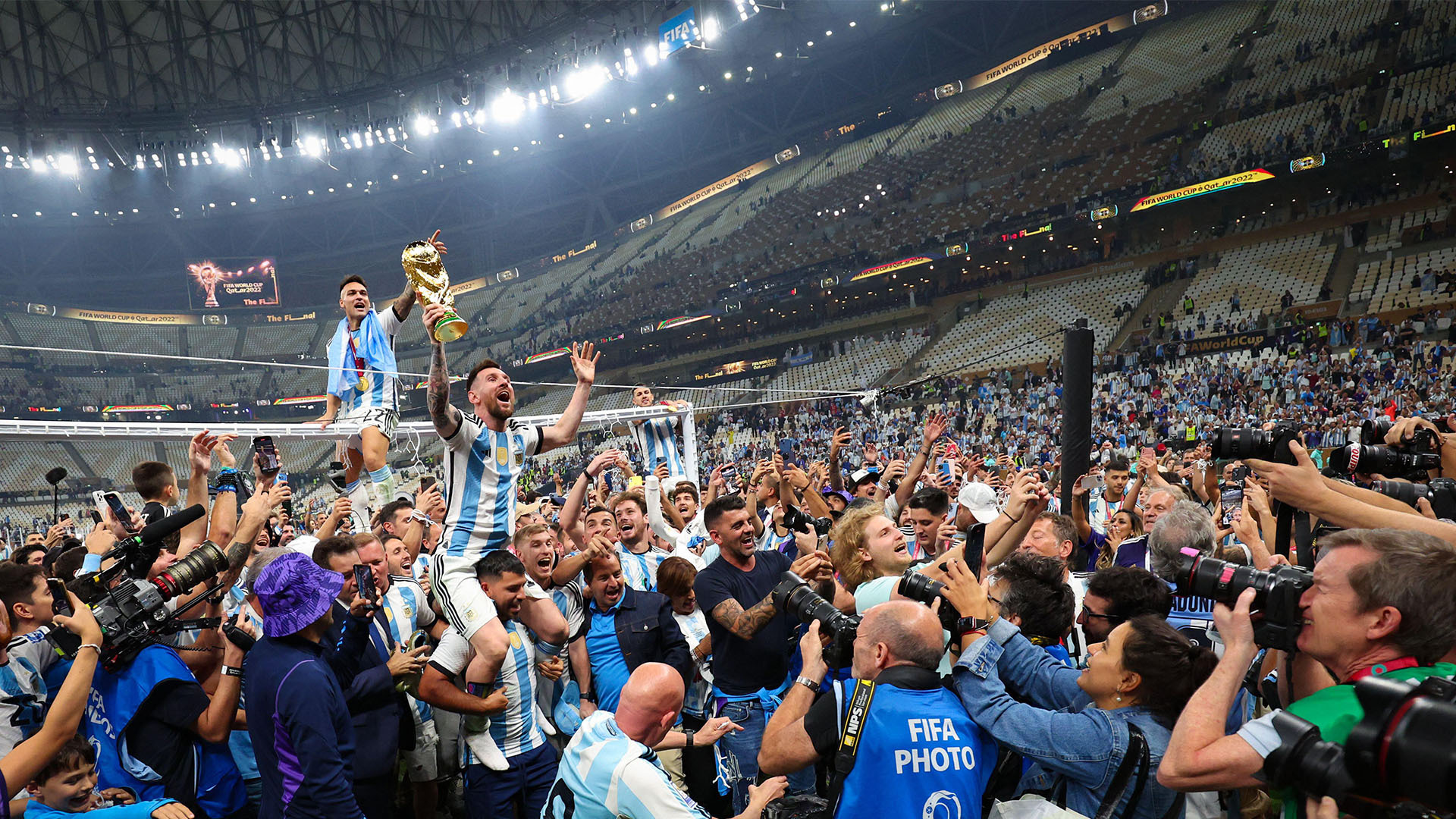
Pre-tournament favourites have a mixed record in recent World Cups. Since 2006, the team with the shortest pre-tournament odds has won just twice (Spain 2010, Argentina 2022). This suggests betting markets struggle to accurately price tournament winners months in advance.
Tournament favourites typically face their sternest tests in quarter-finals and semi-finals rather than earlier rounds. Brazil, for example, has reached the quarter-finals in every World Cup since 1994 but has won the tournament just once in that period. This pattern suggests value may exist in backing favourites for group qualification or Round of 16 progression while opposing them at shorter prices in outright markets.
Value in Mid-Tier Nations
Mid-tier European and South American nations have provided consistent value in recent tournaments. Teams priced between 16/1 and 33/1 pre-tournament have produced four semi-finalists in the last three World Cups (Netherlands 2014, Belgium 2018, Croatia 2018 and 2022). These nations typically possess tactical cohesion and tournament experience without carrying the expectation burden of favourites.
The 2026 format, with an expanded knockout phase including a Round of 32, increases the number of matches where upsets can occur. Tactically disciplined teams with strong defensive structures may offer value, particularly in knockout rounds where matches are decided by fine margins and penalty shootouts become more probable.
Group Stage Betting Strategies
Goals Per Game Expectations
World Cup group stages historically produce fewer goals than domestic league football. The average goals per game across the last five World Cups sits at approximately 2.6 goals per match in the group stage, compared to 2.8 goals per game in the knockout rounds. This reflects cautious tactical approaches as teams prioritise avoiding defeat.
Under 2.5 goals has landed in roughly 55 per cent of group stage matches since 2010, offering modest value given typical odds of around 10/11. This trend strengthens in matches between mid-tier nations where both teams adopt defensive structures. Opening group fixtures see even lower goal averages (2.4 goals per game), as teams assess opponents and avoid early risks.
Draw Frequency and Implications
Draws occur in approximately 22 per cent of World Cup group stage matches, slightly below the typical domestic league rate of 25 per cent. However, draw probability increases significantly in final group matches where both teams know a point guarantees progression. Identifying these scenarios—where group permutations incentivise draws—can reveal value in draw markets that bookmakers may not fully account for.
The 2026 format reduces draw incentive slightly, as only two matches per group means less opportunity for collusion. However, final group games played simultaneously will still see tactical adjustments based on the other group fixture, maintaining some draw probability premium.
Knockout Round Considerations
Defensive Trends in Elimination Matches
Knockout rounds see a measurable shift toward defensive tactics. Clean sheet percentage increases from approximately 35 per cent in the group stage to 42 per cent in knockout rounds. Teams prioritise structure over ambition, knowing a single goal can end their tournament. This has significant implications for both total goals markets and correct score betting.
Matches ending 1-0 or 0-0 (after extra time) account for roughly 38 per cent of knockout fixtures since 2010. Under 1.5 goals becomes a more credible proposition in these matches, particularly when two tactically conservative sides meet or when pre-match favourites defend a narrow lead.
Extra Time and Penalty Shootout Probabilities
Approximately 32 per cent of World Cup knockout matches extend to extra time, with around 40 per cent of those progressing to penalty shootouts. This frequency creates value in correct score markets when "any other score" or "draw after 90 minutes" options are available at inflated prices.
Penalty shootout outcomes show marginal but notable patterns—teams shooting first have won 55 per cent of World Cup shootouts since 1990, a statistically significant edge. Betting markets rarely account for this advantage, meaning coin-toss markets at tournament start may offer slight value on first-shooting teams if identifiable.
Bankroll Management for Month-Long Tournament
Tournament Staking Strategy
A World Cup presents unique bankroll challenges—64 matches over 32 days in 2026 means bettors must manage stake sizes to avoid depleting funds early. A disciplined approach involves allocating no more than 1-2 per cent of total betting bankroll per individual match bet, with slightly higher allocations (up to 3 per cent) reserved for strongest value positions.
Chasing losses during the group stage is a common pitfall. The volume of matches creates an illusion of opportunity, but overextending on weaker propositions dilutes long-term edge. Establishing a maximum daily or weekly stake limit prevents emotional betting during high-volume periods.
Value Identification vs Volume Betting
Not every match presents betting value. Sharp bettors identify spots where their statistical or tactical assessment diverges meaningfully from bookmaker prices, rather than betting every fixture. World Cups produce recency bias—recent results disproportionately influence public perception and line movement, creating contrarian opportunities.
For example, if a favourite wins their opening group game 3-0, public money often drives their price shorter for match two despite limited new information. This overreaction can inflate odds on opponents or under markets, creating value for patient bettors.
Stats Bettors Should Know
Expected Goals (xG) and Tournament Performance
Expected goals (xG) metrics have proven predictive in World Cup contexts. Teams overperforming their xG in early rounds typically regress in knockout stages, while teams underperforming xG but advancing often improve results as tournament progresses. Tracking xG across group stage matches can reveal teams whose results mask underlying quality.
For instance, a team winning 1-0 with an xG of 0.6 against an opponent's 2.3 suggests likely regression. Bookmakers may overprice that team in subsequent matches, creating value in opposing them or backing overs in total goals markets.
Clean Sheet Percentage and Knockout Success
Defensive solidity correlates strongly with tournament progression. Teams conceding fewer than one goal per game in the group stage reach the quarter-finals in 68 per cent of cases, compared to just 22 per cent for teams conceding more than 1.5 goals per game.
Tracking clean sheet percentage and goals conceded per game provides a reliable indicator of knockout round potential. Teams with elite defensive records (France 2018, Italy 2006) often offer value in "to reach final" or "to win tournament" markets once they demonstrate group stage solidity.
Possession vs Effectiveness
Possession statistics can mislead in tournament football. High possession does not correlate strongly with World Cup success—winners since 2010 have averaged 54 per cent possession, only marginally above the tournament average. Spain 2010 is the outlier, averaging 63 per cent possession, but this reflects their unique tactical approach rather than a universal trend.
Counter-attacking teams with lower possession but high shot conversion rates (Germany 2014, France 2018) have thrived in recent tournaments. Betting markets sometimes overprice possession-dominant teams, creating value in backing opponents or under markets when these sides face defensively disciplined opponents.
Converting Stats Into Betting Strategy
The most effective World Cup betting strategies combine statistical insight with tactical awareness. Raw data provides the foundation, but understanding how teams adapt tactics in tournament settings, how managers rotate squads to manage fatigue, and how group permutations influence match approach separates profitable bettors from those relying solely on numbers.
If you're utilising world cup free bets or football betting offers, applying these statistical principles ensures you're maximising the value of promotional credit. Free bets allow experimentation with markets—such as corners, cards, or player props—that might sit outside your usual strategy but where statistical edges exist.
Tournament football rewards patience, discipline, and selective aggression. The bettors who thrive over a month-long World Cup are those who avoid chasing volume, remain alert to market overreactions, and ruthlessly exploit spots where their analysis diverges from consensus pricing.
Use These Strategies With Our Free Bets
World Cup betting combines the scale of a major tournament with the statistical depth to identify genuine edges. By understanding historical trends, group stage dynamics, knockout round defensive patterns, and key performance metrics, you're equipped to approach FIFA World Cup 2026 betting with structure and confidence.
For a complete breakdown of how to maximise betting offers throughout the tournament, strategies for every stage, and exclusive promotions, visit our 2026 FIFA World Cup Free Bets Hub.
Explore the best free bets and world cup betting offers available for FIFA World Cup 2026. Compare bookmaker promotions and find the value that suits your betting strategy.
18+ | T&Cs apply | Please gamble responsibly
.jpg)

.jpg)
.jpg)
.jpg)