FIFA World Cup 2026 Groups & Qualified Teams: Complete Tournament Guide
The FIFA World Cup 2026 represents the biggest transformation in football's showcase tournament since its inception. With 48 nations competing across three host countries, the expanded format creates unprecedented betting opportunities and tactical scenarios that will reshape how we analyse international football. Understanding the FIFA World Cup 2026 groups structure and the complete qualified teams list is essential for identifying value in a tournament that breaks from nearly a century of established patterns.
This comprehensive guide examines every confirmed nation heading to the United States, Canada, and Mexico, breaking down the group stage format, analysing qualification pathways across all six confederations, and exploring how the expanded structure influences both sporting outcomes and betting markets. For detailed coverage of specific betting offers and enhanced odds for the tournament, visit our 2026 FIFA World Cup Free Bets Hub.
How Many Teams in World Cup 2026: The New 48-Team Format
The 2026 FIFA World Cup marks the first edition featuring 48 teams, up from the 32-team format used since 1998. This expansion fundamentally alters tournament dynamics, creating 16 groups of three teams rather than the traditional eight groups of four. Each group will see every team play two group stage matches, with the top two nations advancing to a newly expanded 32-team knockout bracket.
The expanded format presents distinct analytical challenges. With fewer group matches per team, individual results carry greater weight. A single upset or poor performance cannot be absorbed across five or six games as happens in qualification. The absence of a third group match also eliminates the strategic complexities that often emerge when final group games kick off simultaneously with positions already semi-decided.
From a betting perspective, this compression of outcomes increases variance. Teams traditionally considered outsiders now have clearer paths through groups containing only two matches. The probability of a major nation suffering early elimination increases, whilst lower-ranked qualifiers face less attrition before potential knockout breakthroughs. Markets pricing tournament winners and group qualifiers should theoretically reflect this increased unpredictability, though bookmaker margins on long-term futures suggest prices may underestimate knockout-stage volatility.
The FIFA World Cup 2026 schedule accommodates this expanded field through an extended tournament window and the geographical spread across North America's three host nations. Match scheduling will influence group outcomes significantly, particularly regarding travel demands, climate variations between venues, and recovery time between fixtures.
2026 FIFA World Cup Qualified Teams List: Confederation Breakdown
All World Cup 2026 qualification has concluded. The 48 qualified nations earned their places through six continental pathways, each applying different qualification structures and competitive standards.
UEFA Qualification: 16 European Nations
European qualification allocated 16 direct spots, the largest continental contingent. UEFA's process combined traditional group qualifying with the Nations League framework, creating multiple routes to qualification.
The qualified European nations bring the highest concentration of elite talent and recent tournament pedigree. Several teams who have qualified for the 2026 World Cup carry realistic ambitions of deep runs, whilst others represent nations experiencing breakthrough generations or returning after extended absences.
European qualification's competitive depth means several traditionally strong nations faced genuine jeopardy throughout the campaign. The betting markets consistently underpriced certain European qualifiers during the qualifying phase, particularly those navigating difficult groups or entering playoffs. The final qualified list includes established powers, emerging forces, and unfashionable qualifiers whose presence creates group stage complexity.
CONMEBOL Qualification: 6 South American Nations
South American qualification awarded 6 direct spots with no playoff. The confederation's round-robin format across 18 matchdays creates the most comprehensive qualification test in world football. Every nation plays home and away fixtures against all nine opponents, producing a definitive hierarchy by campaign's end.
The top six CONMEBOL nations to qualify represent South America's traditional powerhouses alongside potential emerging challengers. The absence of a playoff spot meant sixth place carried particular tension throughout the final qualifying windows, with goal difference and head-to-head records often determining final positions.
South American qualifiers historically outperform their World Cup odds, though the expanded format's group stage compression may favour their typically slower tournament starts. CONMEBOL teams usually improve as tournaments progress, a pattern that might face disruption in a two-match group phase.
CONCACAF Qualification: 8 North American Nations
CONCACAF qualification granted 8 direct spots, a significant increase recognising the region's hosting status and expanded tournament. Three host nations—United States, Canada, and Mexico—qualified automatically, whilst five additional spots were contested through regional qualifying rounds.
The CONCACAF qualified teams list includes the three hosts plus five nations who navigated the confederation's Octagonal final round. North American qualifying traditionally produces defensive, tactical football suited to knockout tournaments, though the quality gap between the region's elite and mid-tier nations has narrowed considerably in recent cycles.
Host nation advantages—particularly regarding travel, climate familiarity, and crowd support—should theoretically benefit the North American trio. Betting markets typically overprice host nations, though the United States and Mexico possess genuine quality that may justify shortened odds in certain matchups.
AFC Qualification: 8 Asian Nations
Asian qualification allocated 8 direct spots plus one playoff spot, reflecting the confederation's expanded representation. AFC qualifying combined group stages with knockout elements, testing teams across varied conditions and competitive standards.
The Asian qualified teams bring tactical diversity and physical conditioning that often surprises European and South American opponents. Several AFC qualifiers possess standout individual talent capable of influencing knockout matches, whilst others rely on collective organisation and set-piece efficiency.
Asian football's recent World Cup performances suggest markets consistently underestimate certain qualifiers, particularly those combining domestic league quality with European-based player cores. The expanded format gives Asian teams additional knockout pathways that weren't available in previous 32-team tournaments.
CAF Qualification: 9 African Nations
African qualification awarded 9 direct spots plus one playoff spot, nearly doubling the continent's previous allocation. CAF qualifying's group-and-knockout hybrid format created intense competition, with several traditional powers facing elimination scares.
The African qualified nations encompass the continent's historical giants alongside emerging programs investing heavily in youth development and infrastructure. African teams typically carry significant individual quality but sometimes struggle with tactical cohesion and tournament preparation logistics.
From a betting perspective, African qualifiers often provide value in group stage markets where their technical quality is underestimated. However, the same teams frequently disappoint in knockout rounds where tournament experience and squad depth become decisive factors. The expanded format may benefit African football by providing additional qualified spots and reducing the statistical burden of early knockout eliminations.
OFC Qualification: 1 Oceania Nation
Oceania qualification granted 1 direct spot plus one playoff spot, giving the region guaranteed representation for the first time. The OFC qualifier navigated regional competition before potentially facing intercontinental playoffs, depending on the confederation's qualification structure.
The Oceania representative faces significant competitive disadvantages given the limited high-level match experience available through regional qualifying. However, the three-team group format reduces the number of matches needed to advance, potentially creating upset opportunities if drawn favourably.
Intercontinental Playoffs: 2 Additional Qualifiers
Two final World Cup spots were determined through intercontinental playoffs featuring confederation runners-up and playoff qualifiers. These matches often produce compelling narratives and betting value, as teams with contrasting styles and preparation levels meet in winner-takes-all scenarios.
The playoff qualifiers demonstrated resilience and tactical flexibility by navigating sudden-death fixtures against unfamiliar opposition. Their tournament presence adds unpredictability to group-stage draws and creates potential Cinderella storylines should they secure favourable placements.
2026 FIFA World Cup Draw: Group Stage Structure and Implications
The 2026 FIFA World Cup draw determines which nations meet in the 16 three-team groups. Unlike previous tournaments where group positioning significantly influenced knockout pathways, the 48-team format's expanded knockout bracket creates more permutations and less predictable routes to the final.
Draw seedings will follow FIFA rankings with adjustments for host nations and confederation balance. The draw mechanics prevent more than one team from the same confederation appearing in groups, with exceptions for UEFA given their 16 qualified nations. This confederation spreading creates groups mixing European technical quality, South American flair, African physicality, and Asian organisation—combinations that make outcome prediction considerably more complex.
The draw's timing relative to final international windows influences preparation strategies. Teams drawn into groups featuring familiar opposition or previous tournament opponents gain marginal analytical advantages, though the compressed group schedule limits tactical adjustments between matches.
From a betting standpoint, the draw represents the most significant pre-tournament value opportunity. Group winner and qualification markets will shift dramatically based on draw results, creating brief windows where odds haven't fully adjusted to new information. Identifying groups where perceived balance differs from actual competitive reality offers the clearest edges in outright and group betting.
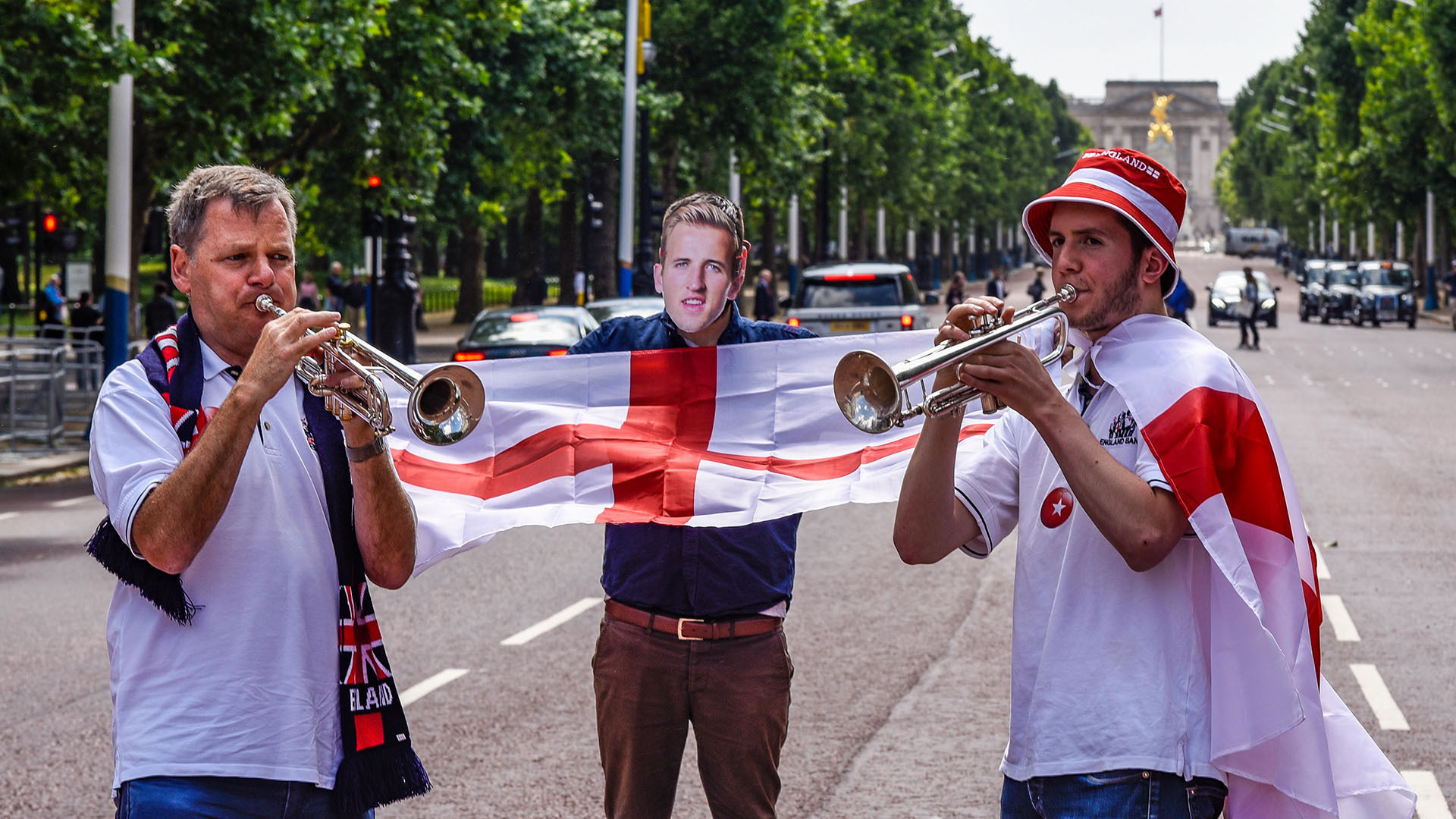
England World Cup Group: Three Lions' Path to Glory
England qualified for the 2026 World Cup through UEFA qualifying, securing their place among Europe's 16 representatives. The England World Cup draw will determine which nations the Three Lions face in their group, setting the stage for the tournament opener or early matches depending on scheduling.
England's recent tournament performances—reaching the 2018 World Cup semi-finals, the Euro 2020 final, and the 2022 World Cup quarter-finals—establish them as genuine contenders. The squad's combination of Premier League-honed talent and international experience positions England favourably for a tournament format favouring depth and tactical flexibility.
The England World Cup fixtures will be released following the draw, with match dates, venues, and kick-off times confirmed in the FIFA World Cup 2026 schedule. England's group positioning influences their knockout pathway significantly, though the expanded bracket reduces the traditional "group of death" concept by ensuring 32 teams advance.
England's World Cup betting odds typically reflect public sentiment as much as objective assessment. The market often overprices England in tournament winner and top goalscorer markets whilst potentially undervaluing them in specific matchup propositions where their technical quality and tactical organisation create clear edges.
For England-specific betting analysis, team news, squad updates, and match previews throughout the tournament, monitor our dedicated England coverage within the 2026 FIFA World Cup Free Bets Hub.
World Cup Betting: Navigating the Expanded Format
World Cup betting for the 2026 tournament requires adjusted analytical frameworks. The 48-team format increases the number of fixtures, expands betting markets, and creates new opportunities whilst introducing fresh complexities.
Group stage betting should account for the two-match format's increased variance. Traditional approaches relying on teams "finding form" across three group games become less applicable. Opening match results carry enormous weight, potentially determining group positions before final fixtures. This front-loading of importance may favour tactically conservative teams who prioritise defensive organisation over attacking ambition in tournament openers.
Qualification markets—betting on which teams advance from groups—face pricing challenges given the structural change. With two teams from three advancing, the implied probability threshold shifts compared to historical two-from-four formats. Identifying groups where the third-ranked team possesses underestimated quality relative to the top two creates value opportunities, as does targeting groups with clear stratification where the top two qualifiers appear obvious.
Tournament winner markets for 2026 will likely concentrate value on a smaller number of genuine contenders than historical 32-team editions. The additional knockout round creates an extra hurdle for outsiders, whilst favourites gain additional matches to assert quality advantages. Long-term tournament betting should focus on squads combining technical excellence, tactical flexibility, squad depth, and tournament experience—qualities that compound value across seven matches rather than historical six or fewer.
Top goalscorer betting becomes more complex with the expanded field. Additional group matches increase total goals scored, but the two-match group phase may reduce individual goal tallies if star players are rested for knockout preparation. Historical Golden Boot patterns may not apply cleanly to the new format.
Regional performance betting—wagering on confederation outcomes, best-performing African nation, highest-finishing Asian team—gains appeal in the expanded format. The increased number of qualified nations per confederation creates competitive depth that may produce surprise regional champions at better prices than traditional tournament markets.
2026 FIFA World Cup Final: Route to the Showcase
The 2026 FIFA World Cup final represents the culmination of the expanded tournament, contested between two nations who have navigated an unprecedented seven-match journey from group stage through the Round of 32, Round of 16, quarter-finals, and semi-finals.
The final venue will be determined by FIFA's host selection process across North American stadiums. The match's date and kick-off time will be confirmed in the complete FIFA World Cup 2026 schedule, likely scheduled for mid-July to accommodate the expanded fixture calendar.
Betting on the World Cup final before the tournament begins offers theoretical value if identifying nations whose stylistic and tactical profiles suit the knockout-heavy format whilst also possessing squad depth for extended campaigns. Teams combining tournament experience, versatile tactical systems, and peak-age squad cores typically outperform in finals betting markets.
Reaching the 2026 World Cup final requires consistency across seven matches against progressively elite opposition. The additional knockout round compared to previous tournaments means fatigue management, squad rotation, and injury resilience become even more decisive factors. Nations with strong domestic league relationships and advanced sports science programs gain marginal advantages that compound across extended tournament runs.
Conclusion: Preparing for Football's New Era
The FIFA World Cup 2026 groups structure and qualified teams list signal international football's evolution into a new era. The 48-team format creates unprecedented scenarios, expanded betting markets, and analytical challenges that reward updated frameworks over historical pattern-matching.
Understanding who has qualified for the 2026 World Cup across all six confederations provides essential context for group draw analysis, match outcome assessment, and identifying betting value throughout the tournament. The confederation breakdown reveals quality stratification that influences both sporting probabilities and market pricing.
For comprehensive coverage of all tournament betting opportunities, enhanced odds, new customer offers, and expert analysis throughout the 2026 World Cup, visit our 2026 FIFA World Cup Free Bets Hub. The expanded format creates more matches, more markets, and more opportunities to apply informed analysis across football's grandest stage.
18+ | Please gamble responsibly | begambleaware.org | T&Cs apply
.jpg)

.jpg)



.jpg)



.jpg)