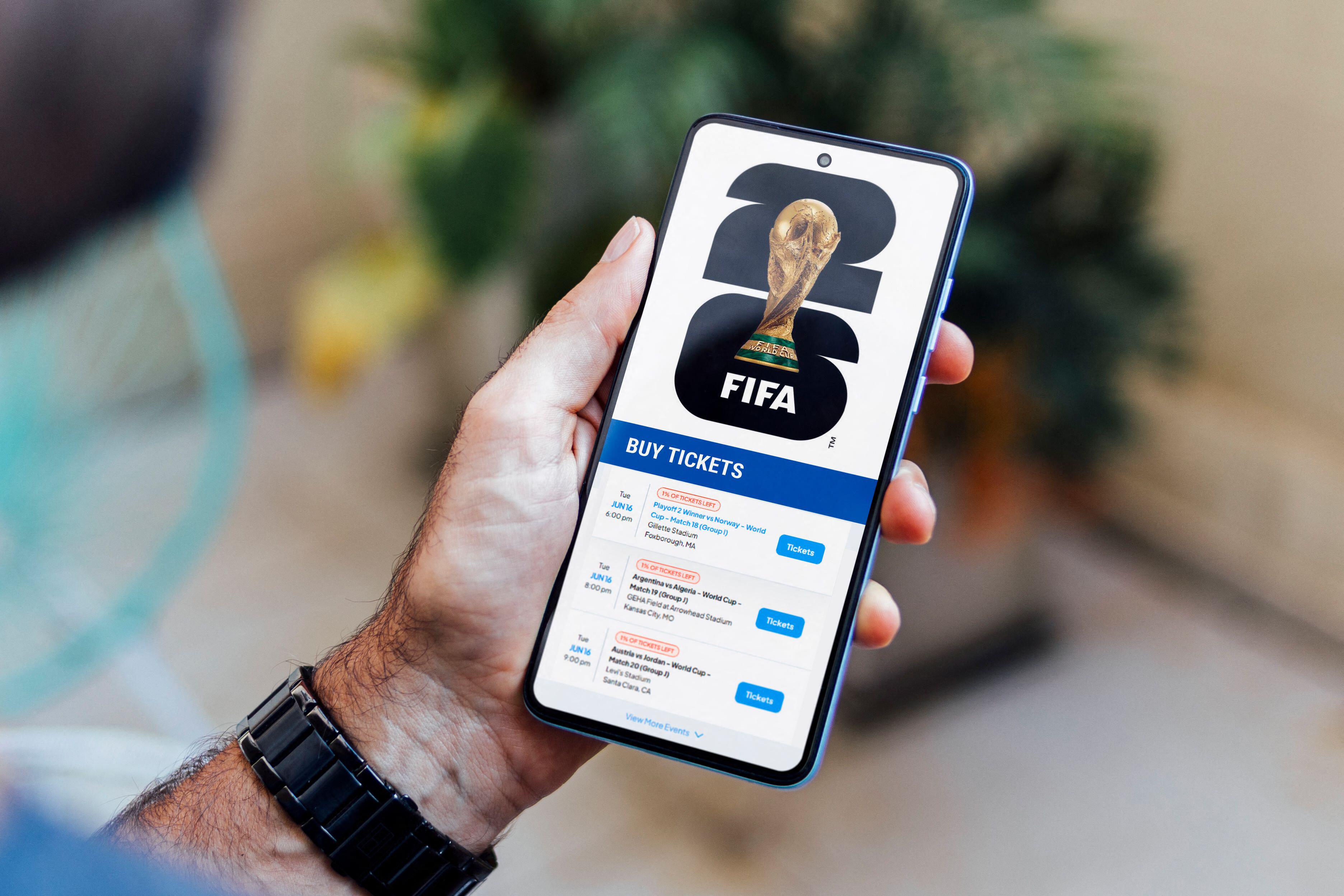
Where to Watch the FIFA World Cup 2026: Live Streaming & Broadcasting in the UK
The FIFA World Cup 2026 is set to be the biggest football tournament in history, with 48 nations competing across the United States, Canada and Mexico. For UK-based supporters, understanding where to watch the FIFA Club World Cup and follow England World Cup fixtures throughout the summer of 2026 will be essential. With the FIFA World Cup 2026 schedule spanning three host countries and multiple time zones, planning your viewing experience well in advance makes perfect sense.
This guide covers everything from UK broadcasters and streaming platforms to timezone considerations and how to combine live viewing with World Cup betting opportunities. For comprehensive tournament information, visit our 2026 FIFA World Cup Free Bets Hub.
UK TV Broadcasters for FIFA World Cup 2026
While official confirmation awaits, the BBC and ITV are expected to share UK broadcasting rights for the FIFA World Cup 2026, maintaining the arrangement that has served British audiences for decades. Both networks have historically provided comprehensive free-to-air coverage of World Cup tournaments, ensuring the widest possible access for UK viewers.
The BBC typically offers extensive analysis through dedicated studio programming, featuring expert pundits and comprehensive pre-match and post-match coverage. Their iPlayer platform has evolved significantly since the 2022 tournament, providing enhanced streaming capabilities and additional camera angles for key matches.
ITV's coverage traditionally includes the England World Cup opening fixture and tends to alternate knockout round matches with the BBC. ITV Hub, now rebranded as ITVX, offers catch-up services and live streaming, with improvements to streaming quality and reduced latency compared to previous tournaments.
Both broadcasters are expected to provide 4K coverage for selected matches, though availability may depend on regional reception capabilities and platform compatibility. The exact match allocation between BBC and ITV will likely be announced approximately six months before the tournament begins.
Streaming Platforms and Digital Access
Digital streaming represents the primary viewing method for increasing numbers of UK football supporters. BBC iPlayer and ITVX will serve as the main free streaming platforms for FIFA World Cup 2026, accessible via desktop browsers, mobile applications, smart TV apps, and streaming devices including Amazon Fire Stick, Apple TV and Roku.
Registration requirements for both platforms remain straightforward, requiring only email verification and confirmation of UK TV Licence status. Both services have invested heavily in infrastructure following occasional streaming difficulties during previous major tournaments, with improved content delivery networks designed to handle peak concurrent viewership.
For mobile viewing, dedicated iOS and Android applications from both BBC and ITV provide optimised streaming with adaptive bitrate technology, adjusting quality based on connection strength. Download functionality allows offline viewing of replays and highlights, useful for supporters unable to watch matches live due to work commitments or travel.
Additional streaming options may emerge closer to the tournament, particularly given the involvement of North American broadcasters FOX and Telemundo, whose parent companies occasionally explore international streaming partnerships.
Timezone Considerations for UK Viewers
The FIFA World Cup 2026 host country arrangement across the United States, Canada and Mexico presents unique timezone challenges for UK audiences. With matches spread from Vancouver in the west to New York in the east, kick-off times will vary considerably depending on venue.
Eastern Time Zone matches (New York, Toronto, Boston, Philadelphia) sit five hours behind UK time. A 20:00 local kick-off translates to 01:00 BST in the UK – manageable for weekend fixtures but challenging for midweek group stage matches. Central Time Zone venues (Houston, Dallas, Kansas City, Atlanta) operate six hours behind, pushing late local kick-offs to 02:00 BST for UK viewers.
The most challenging fixtures for British audiences will originate from Pacific Time Zone stadiums (Los Angeles, San Francisco, Seattle, Vancouver), operating eight hours behind UK time. Evening matches in these cities begin at 03:00 or 04:00 BST, realistically limiting live UK viewership to the most dedicated supporters or those prepared for early morning sessions.
What Time Will World Cup Games Be in 2026 UK?
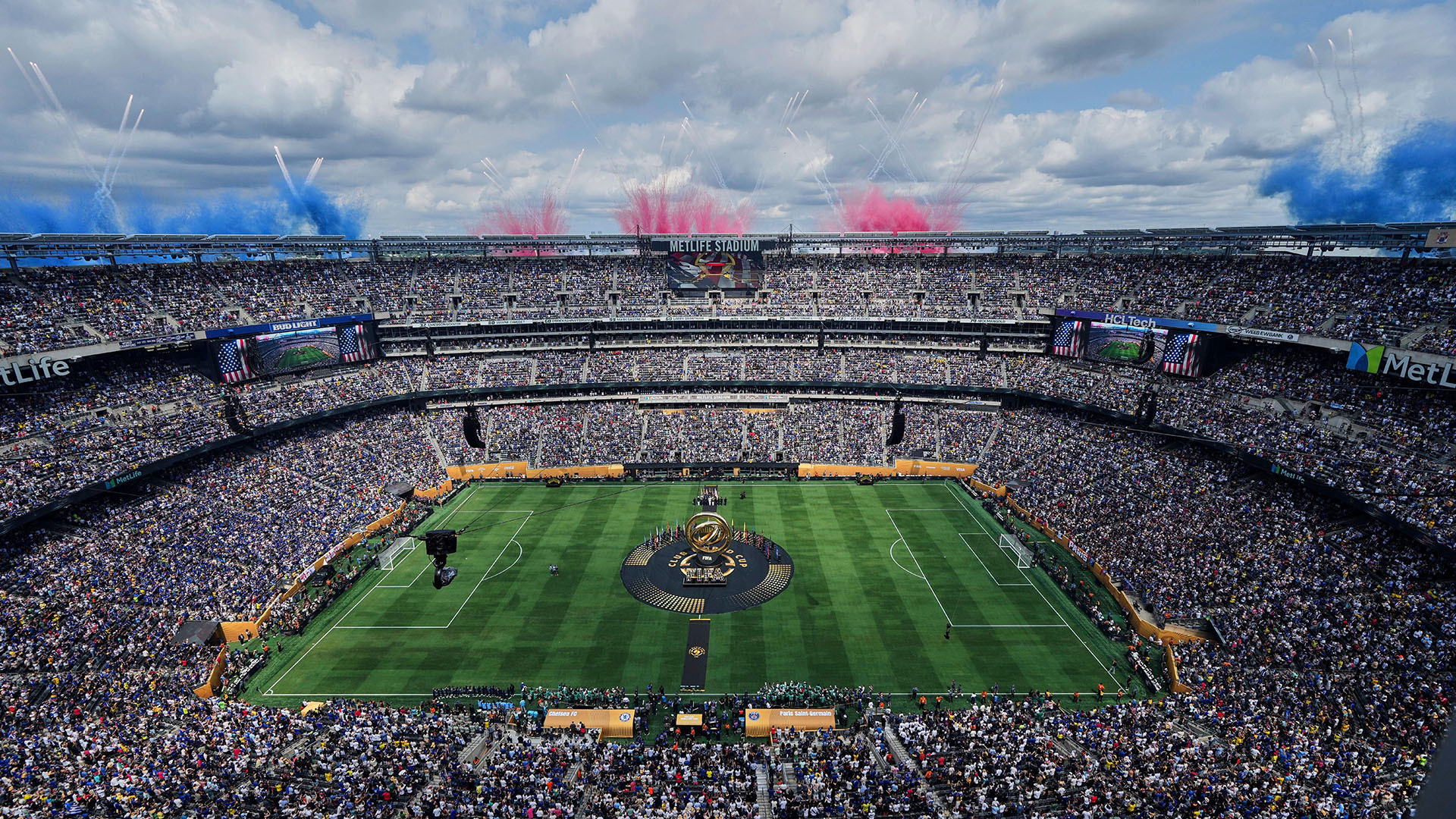
What city will host the 2026 World Cup final remains officially unconfirmed, though MetLife Stadium in New Jersey (Eastern Time Zone) is widely considered the frontrunner. An Eastern Time Zone final would kick off around midnight or 01:00 BST for UK viewers – significantly more accessible than Qatar 2022's afternoon scheduling.
Group stage matches will be scheduled across all timezone windows, meaning England World Cup fixtures could feasibly kick off anywhere between 16:00 and 04:00 BST depending on FIFA's scheduling decisions and stadium allocation. England's group stage schedule, once confirmed through the World Cup draw, will determine whether UK supporters can watch comfortably or need to plan around antisocial hours.
What time is the World Cup draw typically occurs approximately seven months before tournament kick-off, likely December 2025. This draw will establish the FIFA World Cup 2026 schedule in full, allowing supporters to identify which matches demand late-night viewing and which fall into reasonable UK evening slots.
What time will World Cup games be in 2026 UK depends heavily on stadium location. Eastern fixtures during local evening slots (19:00-21:00 ET) translate to midnight-02:00 BST. Central fixtures at similar local times push to 01:00-03:00 BST. Pacific fixtures become 03:00-05:00 BST. Daytime North American fixtures offer UK evening viewing, though high temperatures in venues like Houston and Dallas may limit daytime scheduling.
Watch Party Locations and Social Viewing
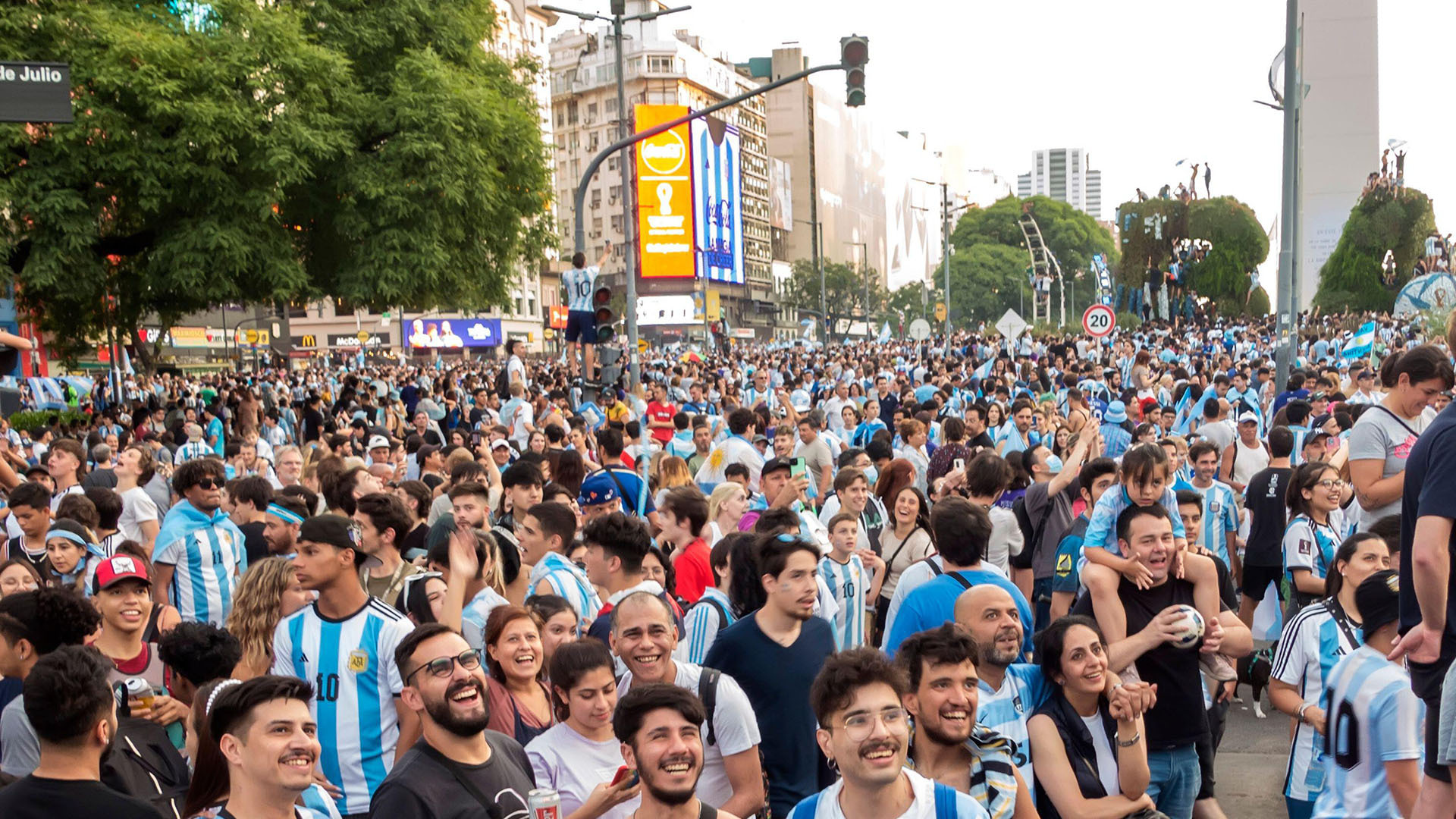
Despite timezone challenges, pubs, bars and social venues across the UK will adapt their operating hours for major fixtures, particularly England matches and knockout rounds. Late licences and extended opening permissions, similar to arrangements during previous World Cup tournaments, will enable venues to screen matches legally beyond standard closing times.
Major cities including London, Manchester, Birmingham, Liverpool, Newcastle and Glasgow traditionally see dozens of venues hosting official watch parties, often with large screen installations and themed food and drink offerings. Booking ahead for England fixtures and knockout matches is advisable, as capacity fills rapidly for premium fixtures.
University cities and student unions typically organise viewing events catering to younger demographics, often with reduced drink prices and more informal atmospheres than traditional pub settings. These venues historically provide welcoming environments for supporters without regular match-going experience.
Football supporter clubs and community organisations frequently arrange screenings in dedicated spaces, creating atmosphere comparable to stadium environments. These events often include fundraising elements, merchandise sales and appearances from former players or local football personalities.
For supporters preferring home viewing, coordinating with friends for shared experiences remains popular, particularly for matches kicking off after midnight when venue options become limited. Home streaming via smart TV platforms enables pause and replay functionality absent from venue screenings, valuable for analysing key moments or controversial decisions.
In-Play Betting and Live Streaming Integration
World Cup betting naturally accompanies match viewing for many supporters, with in-play markets offering dynamic odds throughout matches. Several major bookmakers provide integrated live streaming services to customers with funded accounts, though geographical and licensing restrictions apply.
These bookmaker streaming services typically focus on niche markets and lower-profile competitions rather than major tournaments like the World Cup, where broadcast rights command premium valuations. However, selected bookmakers may offer statistical visualisations, live graphics and enhanced match statistics alongside BBC or ITV streams, accessible through dedicated applications.
In-play betting during World Cup matches covers extensive markets beyond simple result predictions. Next goalscorer, exact score, correct score at half-time, total corners, total bookings and goalscorer combinations all provide alternative betting opportunities throughout the 90 minutes, with odds adjusting in real-time based on match events.
Responsible approach to in-play betting involves setting pre-determined limits before matches begin, avoiding impulsive decisions during emotionally charged moments, and viewing betting as optional enhancement to viewing enjoyment rather than expectation of profit. Betting should never compromise financial stability or detract from match enjoyment.
Mobile betting applications from major operators provide seamless in-play functionality, enabling bet placement without interrupting viewing experience. Biometric login and one-touch betting features streamline the process, though these conveniences equally demand careful consideration of spending limits.
Cash-out functionality, offered by most major operators, allows partial exit from bets before markets settle, potentially securing profit or limiting losses depending on match developments. Cash-out values fluctuate based on current match state and remaining time, requiring strategic judgment about when to exit positions.
Practical Considerations for Tournament Viewing
The month-long FIFA World Cup 2026 tournament spans late June through mid-July, coinciding with British summer and typically favourable weather. Outdoor screening opportunities, from pub gardens to dedicated fan zones in major cities, become viable options for daytime and early evening fixtures.
Work commitments inevitably conflict with some fixture times, particularly midweek group stage matches kicking off after midnight UK time. Recording functionality through BBC iPlayer and ITVX enables catch-up viewing, though avoiding score spoilers across social media and news platforms presents considerable challenge. Disabling push notifications and avoiding football-related websites until viewing becomes necessary discipline.
Data usage for streaming presents consideration for mobile viewing away from WiFi networks. High-definition streams consume approximately 2-3GB per hour, making unlimited data plans advisable for supporters intending frequent mobile streaming throughout the tournament. Reducing stream quality to standard definition significantly reduces data consumption whilst maintaining watchable picture quality.
Multiple device access allows flexibility – beginning viewing on television before switching to mobile or tablet when required. Both BBC and ITV platforms support seamless transition between devices, with the ability to resume viewing from the same timestamp across different screens.
International supporters visiting the UK during summer 2026 should verify they can access BBC iPlayer and ITVX services, as geographical restrictions based on IP addresses may require UK-based internet connections. VPN services circumvent such restrictions though their use potentially violates platform terms of service.
Looking Ahead to Tournament Coverage
As official broadcasting arrangements receive confirmation through 2025, additional viewing options and enhanced coverage features will emerge. Both BBC and ITV continue investing in digital capabilities, including augmented reality graphics, multi-angle replays, and interactive statistical overlays that enhance understanding of tactical developments.
The FIFA World Cup 2026 schedule, once published following the tournament draw, will enable supporters to plan viewing strategies around work, family and social commitments. Prioritising must-watch fixtures versus matches of peripheral interest becomes necessary given the expanded 48-team format and corresponding increase in total fixtures.
World Cup free bets and enhanced betting promotions traditionally launch in the weeks preceding tournament kick-off, providing opportunities for new customers and existing bettors to engage with World Cup markets through boosted odds, free bet offers and acca insurance promotions. These commercial offers integrate naturally with viewing experience without requiring participation for enjoyment of matches themselves.
For complete World Cup 2026 information including team guides, betting markets, qualification updates and tournament format details, visit our 2026 FIFA World Cup Free Bets Hub.
18+ only. Terms and conditions apply. Please gamble responsibly. Visit BeGambleAware.org for support.
.jpg)

.jpg)

.jpg)
.jpg)