FIFA World Cup 2026 Schedule: Dates, Fixtures & UK Kick-Off Times
The FIFA World Cup 2026 schedule represents the most ambitious tournament format in football history, with 48 nations competing across three host countries for the first time. Understanding the 2026 FIFA World Cup dates and fixture structure becomes essential for fans planning their viewing and anyone considering World Cup betting opportunities throughout the expanded competition.
This comprehensive guide breaks down everything you need to know about when the World Cup will start, how the tournament progresses through each stage, and what time World Cup games will be played in 2026 for UK audiences. With matches spread across the United States, Canada, and Mexico, kick-off times will vary significantly depending on venue location and time zone.
When Does the FIFA World Cup 2026 Start?
The 2026 FIFA World Cup opens on June 11, 2026, marking the beginning of a 39-day tournament that concludes with the final on July 19, 2026. This start date falls slightly earlier in the summer calendar than recent tournaments, partly due to the expanded format requiring additional matchdays to accommodate 104 total fixtures – a significant increase from the 64 matches played at Qatar 2022.
The opening match will take place at Estadio Azteca in Mexico City, continuing FIFA's tradition of granting the first match to a host nation. Mexico becomes the first country to host World Cup matches across three separate tournaments, having previously staged the competition in 1970 and 1986.
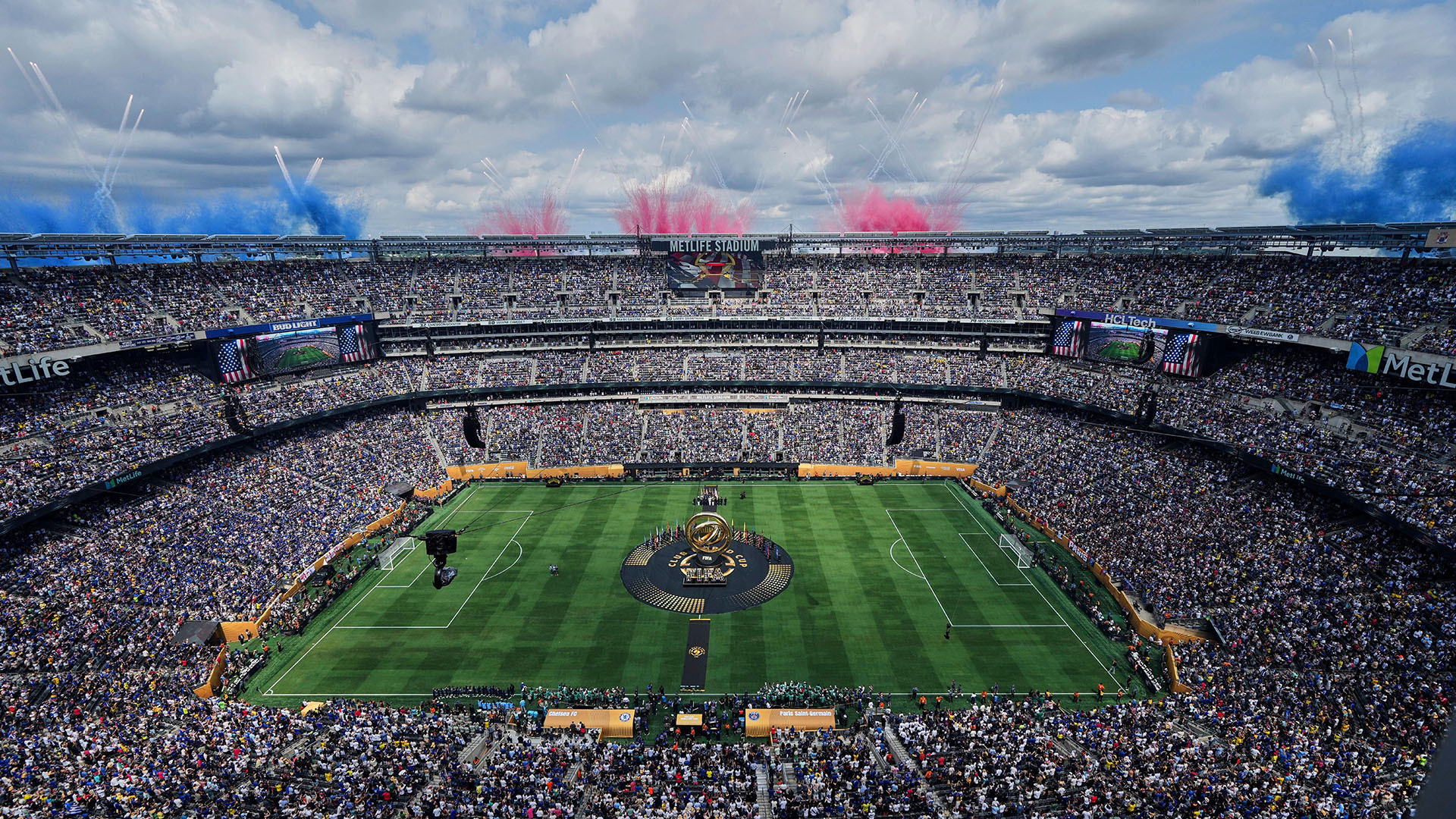
For UK viewers, the June start date means the tournament runs through the heart of summer, with most matches falling outside traditional working hours due to time zone differences with North America. The final takes place at MetLife Stadium in New Jersey on July 19, with an anticipated kick-off time around 8pm local Eastern Time – translating to 1am BST for UK audiences.
The Expanded 48-Team Format Explained
The FIFA World Cup 2026 schedule operates on a fundamentally different structure compared to previous tournaments. The expansion from 32 to 48 teams introduces a group stage featuring 12 groups of four teams, replacing the traditional eight groups of four.
Each team plays three group matches, with the top two from each group advancing automatically to the knockout stages. Additionally, the eight best third-placed teams across all groups will progress, creating a Round of 32 for the first time in World Cup history.
This format change adds an entire knockout round compared to recent tournaments. The progression structure follows this path: Round of 32, Round of 16, Quarter-Finals, Semi-Finals, Third-Place Playoff, and Final. Teams reaching the final will have played seven matches total, compared to the previous maximum of seven that applied only from the Round of 16 onwards.
The group stage runs from June 11 to June 27, with knockout rounds beginning June 30. This compressed timeline between group completion and knockout commencement gives teams minimal rest – a factor that could significantly influence tactical approaches and squad rotation strategies.
Group Stage Schedule and UK Kick-Off Times
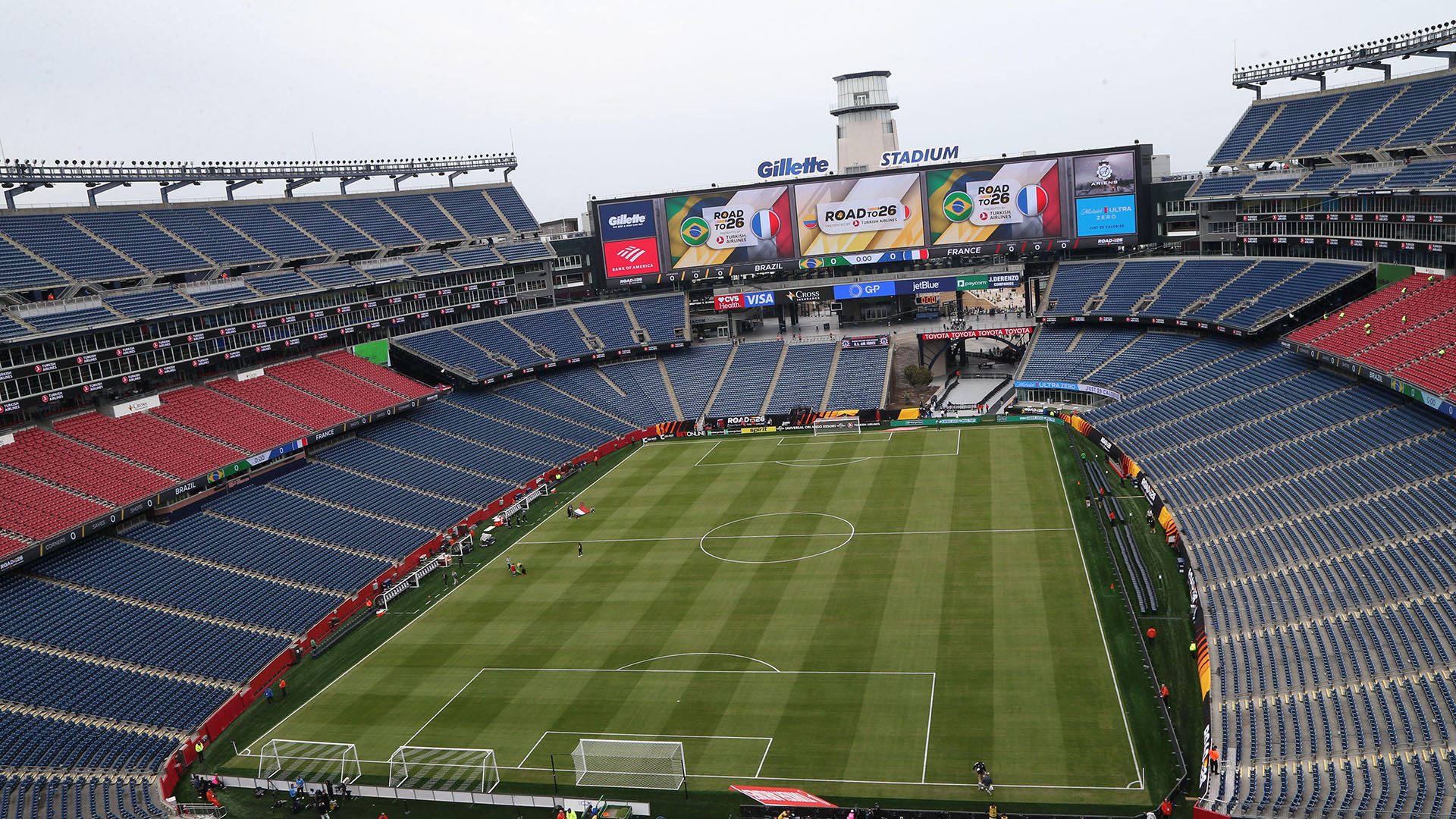
The group stage spans 16 days with multiple matches per day, creating near-continuous football for the tournament's opening fortnight. Matches will be distributed across 16 stadiums in three countries, each operating in different time zones: Pacific (West Coast USA), Mountain (Central USA), Central (Eastern USA, Canada, Mexico), and Eastern (East Coast USA).
For UK audiences, this creates a wide spread of kick-off times. West Coast venues like Los Angeles and San Francisco will typically host matches at 12pm, 3pm, and 6pm local Pacific Time – translating to 8pm, 11pm, and 2am BST respectively. East Coast stadiums such as New York/New Jersey, Philadelphia, and Boston will generally schedule matches at 12pm, 3pm, and 7pm Eastern Time – converting to 5pm, 8pm, and midnight BST.
Central Time Zone venues including Dallas, Houston, Kansas City, and Mexico City represent a middle ground, with 1pm, 4pm, and 7pm local kick-offs translating to 7pm, 10pm, and 1am BST. Canadian venues in Toronto and Vancouver follow Eastern and Pacific times respectively.
The most viewer-friendly matches for UK audiences will be those staged on the East Coast during afternoon local time, falling into early evening slots for British viewers. Conversely, West Coast evening matches will kick off in the early hours of the morning UK time – a scheduling challenge for fans hoping to watch every game live.
England World Cup Fixtures
All World Cup 2026 qualification has concluded, with England securing their place among the 48 qualified nations through the UEFA qualifying campaign. As one of European football's strongest nations, England enters as genuine contenders and will be allocated to Pot 1 for the final draw based on FIFA rankings.
The exact England World Cup fixtures cannot be confirmed until what time the World Cup draw takes place – scheduled for late 2025 or early 2026 following the completion of all confederation qualifying campaigns. FIFA typically announces draw dates approximately six months before the tournament begins, with the event broadcast globally.
Once drawn, England will face three group opponents across an eight-to-nine-day period during the group stage. Historical patterns suggest England's matches will likely be scheduled for prime-time slots in their allocated host cities, potentially favouring East Coast or Central venues to maximise European television audiences.
England's potential knockout round progression would follow the bracket determined by their group finish position. Topping their group versus finishing second or qualifying as a third-placed team dramatically affects which side of the draw they enter and which opponents they could face in subsequent rounds.
Knockout Stage Structure and Scheduling
The knockout phase introduces the tournament's unique complexity through its expanded format. Beginning June 30, the Round of 32 features 16 matches over four days – a new stage that allows more nations the opportunity to experience knockout football but also creates potential for fixture congestion.
Each knockout round follows a similar structure: matches distributed across available venues with staggered kick-off times to allow broadcasters maximum coverage flexibility. Rest periods between rounds typically span four to five days, though teams on opposite sides of the draw may experience slightly different recovery windows depending on specific match scheduling.
Quarter-finals are scheduled for July 9-11, semi-finals for July 14-15, with the third-place playoff on July 18 preceding the final on July 19. This tight endgame scheduling means teams reaching the final will play three knockout matches across ten days – a significant physical demand that could advantage squads with superior depth.
Venues for knockout matches increase in prestige as the tournament progresses, with the largest and most iconic stadiums reserved for quarter-finals onwards. MetLife Stadium's selection for the final reflects its 82,500 capacity and proximity to New York City, creating a global spectacle backdrop for the tournament's conclusion.
What Time Will World Cup Games Be in 2026 UK?
Understanding UK kick-off times requires considering both venue location and FIFA's broadcast strategy. The tournament will aim to maximise global viewership by spreading matches across different time slots, but North American geography inherently creates challenges for European audiences.
Early group stage matches from West Coast venues will typically fall between 8pm-11pm BST, making them accessible for UK viewers during normal evening hours. Central Time Zone matches generally land between 7pm-1am BST, offering a mix of convenient and late-night viewing. East Coast fixtures provide the most UK-friendly schedule, with afternoon and early evening matches translating to 5pm-midnight BST.
Knockout rounds will likely prioritise later North American kick-off times to capture maximum local attendance and television audiences, potentially pushing UK viewing times into late evening and early morning slots. Historical precedent from USA 1994 shows FIFA scheduled key knockout matches for evening local time, creating overnight viewing in Europe.
The final itself, anticipated for 8pm Eastern Time at MetLife Stadium, will kick off at 1am BST – a scheduling that favours American audiences but creates a challenging viewing time for European fans. This represents a reversal from Qatar 2022, where the final kicked off at 3pm GMT to accommodate European viewers, demonstrating how host geography fundamentally shapes tournament scheduling.
FIFA World Cup Betting Considerations
The expanded format and unique scheduling create distinct opportunities and challenges within World Cup betting markets. The additional knockout round means traditional outright winner analysis must account for an extra potential stumbling block for favourites, while the increased third-place qualification spots from groups could create unexpected progression scenarios.
Group betting markets gain complexity through the eight third-place qualification spots. Teams finishing third in groups with particularly strong or weak opposition could find dramatically different paths through the knockout bracket, affecting both outright prospects and individual match odds in the Round of 32.
Time zone considerations affect in-play betting opportunities for UK-based bettors. Matches kicking off after midnight UK time may see reduced liquidity and potentially wider spreads on exchange markets, though this could also create value opportunities for those willing to bet through early morning hours.
The tournament's North American setting likely influences match conditions significantly compared to Qatar or Russia. Summer temperatures in southern US venues and Mexico could create energy-sapping conditions favouring possession-based teams with superior fitness and squad depth, while northern venues and Canadian cities should offer more temperate playing environments.
World Cup free bets and bookmaker promotions typically intensify around major tournaments, with operators competing for customer acquisition during football's most-watched event. Comparing offers across multiple bookmakers becomes particularly valuable given the tournament's extended duration and high match volume, allowing bettors to maximise promotional value across different bet types and markets.
Where to Watch FIFA World Cup 2026
UK broadcasting rights for the 2026 FIFA World Cup have not yet been formally announced, though historical patterns suggest a combination of BBC, ITV, and potentially additional streaming platforms will share coverage. The expanded format's 104 matches creates significant programming demands that may result in greater streaming allocation compared to previous tournaments.
The tournament's timing across June and July means minimal clash with domestic football schedules, allowing broadcasters to dedicate comprehensive coverage across multiple channels and platforms. Expect extensive preview programming, studio analysis, and extended highlight packages given the competition's scale and cultural significance.
For those considering where to watch FIFA Club World Cup in the interim, FIFA's expanded club competition scheduled for summer 2025 will provide a preview of multi-venue tournament logistics across the United States, using many of the same stadiums that will host World Cup 2026 matches.
Tournament Significance and Expectations
The 2026 FIFA World Cup represents a watershed moment for international football, testing whether expanded participation enhances tournament quality or dilutes knockout stage intensity. The 48-team format aims to increase global representation, with significant increases in qualification spots for African, Asian, and North American confederations.
UEFA received 13 direct spots with European nations dominating Pot 1 seedings based on FIFA rankings. CONMEBOL secured 6 direct spots with no playoff, ensuring South America's strongest football nations all qualified comfortably. CONCACAF benefits most from the expanded format and co-hosting status, receiving significantly more qualification places than previous tournaments.
From a sporting perspective, the tournament's outcome will likely reflect which teams best navigate the physical demands of seven matches across four weeks in varying climates and time zones. Squad depth becomes paramount – nations able to rotate effectively while maintaining performance levels hold significant advantages over those relying on narrow first-choice elevens.
The scheduling format's quick turnaround between group stage and knockouts may prove decisive, particularly for teams securing qualification only through the best third-place spots, who will face limited preparation time before confronting likely group winners in the Round of 32.
Planning Your World Cup Experience
For UK fans planning to follow the tournament comprehensively, understanding the FIFA World Cup 2026 schedule allows strategic viewing decisions. The group stage's 16-day duration means watching every match live requires significant time commitment, particularly given late-night and early-morning kick-offs for West Coast fixtures.
Prioritising specific teams, groups, or match-ups becomes essential for most viewers. England's fixtures will obviously command maximum UK attention, but monitoring potential knockout opponents and tracking groups containing traditional dark horses provides valuable context for understanding bracket development.
The tournament's North American setting creates feasible travel opportunities for UK fans willing to make the journey, with stadium locations concentrated in major cities offering strong transport infrastructure and accommodation options. Match tickets will be allocated through FIFA's official ballot system, typically opening 12-18 months before the tournament begins.
Understanding time zones helps plan match viewing around work and personal commitments. East Coast fixtures during American afternoons translate to early evening UK time – the most accessible slots for British audiences with traditional weekday schedules. Weekend matches across all time zones offer more flexible viewing regardless of kick-off time.
Conclusion
The FIFA World Cup 2026 schedule delivers an unprecedented football spectacle across three nations and four time zones, creating both opportunities and challenges for UK audiences. From the June 11 opening match to the July 19 final, the tournament's expanded 48-team format guarantees maximum participation but demands strategic planning for fans hoping to experience the full competition.
Understanding 2026 FIFA World Cup dates, fixture structures, and UK kick-off times allows viewers to prepare effectively for a month-long football tournament that will dominate the sporting calendar. Whether following England's World Cup campaign, exploring FIFA World Cup betting markets, or simply enjoying football's greatest tournament, the schedule's complexity rewards those who plan ahead.
For comprehensive World Cup betting options, free bet offers, and tournament coverage, visit our 2026 FIFA World Cup Free Bets Hub where you'll find detailed guides for every aspect of the competition alongside the latest bookmaker promotions and expert analysis.
.jpg)


.jpg)



.jpg)

.jpg)