Are World Cup Bets Worth It? What You Need to Know Before Betting
World Cup betting represents one of the most significant events in the football betting calendar, but determining whether it's worth your money requires careful consideration of several factors. With FIFA World Cup 2026 set to take place across the United States, Canada, and Mexico – the first edition featuring 48 nations – understanding the value proposition of World Cup betting offers, market dynamics, and responsible risk assessment becomes even more important for new and experienced bettors alike.
This guide examines the mechanics of FIFA World Cup betting to help you make informed decisions about whether tournament wagering aligns with your interests and risk tolerance, whilst highlighting key differences between World Cup markets and regular season football betting.
Understanding Value in World Cup Betting Markets
World Cup betting markets differ substantially from domestic league betting in several important ways. The tournament structure creates unique opportunities and challenges that don't exist during the regular football season.
Tournament betting markets benefit from significantly higher liquidity than most domestic fixtures. Major bookmakers report that World Cup matches attract 10-20 times the betting volume of regular Premier League games, which typically creates tighter margins and more competitive pricing. When millions of pounds flow into a market, bookmakers respond by sharpening their odds and offering more diverse betting options.
The concentration of global attention also means more information becomes publicly available. Team news, tactical analysis, and form assessments receive unprecedented scrutiny from media outlets worldwide. This transparency can help bettors make more informed decisions, though it also means finding genuine edge becomes more challenging when everyone has access to similar information.
However, World Cup markets also present specific complications. Teams play infrequently – sometimes with months between competitive fixtures – making form assessment more difficult than in weekly domestic competition. Squad fitness concerns, tournament-specific tactical adjustments, and the psychological pressure of knockout football all introduce variables that don't apply to routine league matches.
The value proposition in World Cup betting ultimately depends on your ability to process these unique factors more effectively than the market does. The increased liquidity and media attention create efficiency, but the unusual circumstances and infrequent competition create potential inefficiencies for those who study tournament football carefully.
World Cup Odds vs Regular Season Odds: Key Differences
The odds available for World Cup matches differ from regular season pricing in several notable ways that affect betting value.
Bookmaker margins – the theoretical profit built into odds – typically tighten during major tournaments. On a standard Premier League match, the overround (the bookmaker's margin) might sit at 106-108 per cent. For high-profile World Cup fixtures, particularly knockout matches, this often compresses to 103-105 per cent. The practical difference means marginally better value on equivalent probability outcomes during the tournament.
Market depth represents another significant difference. Regular season betting might offer 50-100 distinct markets per match. World Cup fixtures, especially those involving major nations, routinely feature 200-300+ markets covering everything from first goalscorer to exact tournament progression paths. This proliferation creates more opportunities to find specialised bets that align with your analysis.
The timing of odds release also changes. Domestic fixtures typically see odds posted 3-7 days before kick-off. World Cup outright markets open years in advance, whilst individual match odds appear weeks before group stage fixtures. This extended timeline allows for significant price movement as information develops, creating potential value for those who identify likely trends early.
However, World Cup odds carry higher variance due to the knockout format. In league football, a single unexpected result represents one data point among 38 fixtures. In tournament football, one match can eliminate months of preparation and analysis. This increased variance means World Cup betting requires more careful bankroll management than regular season wagering.
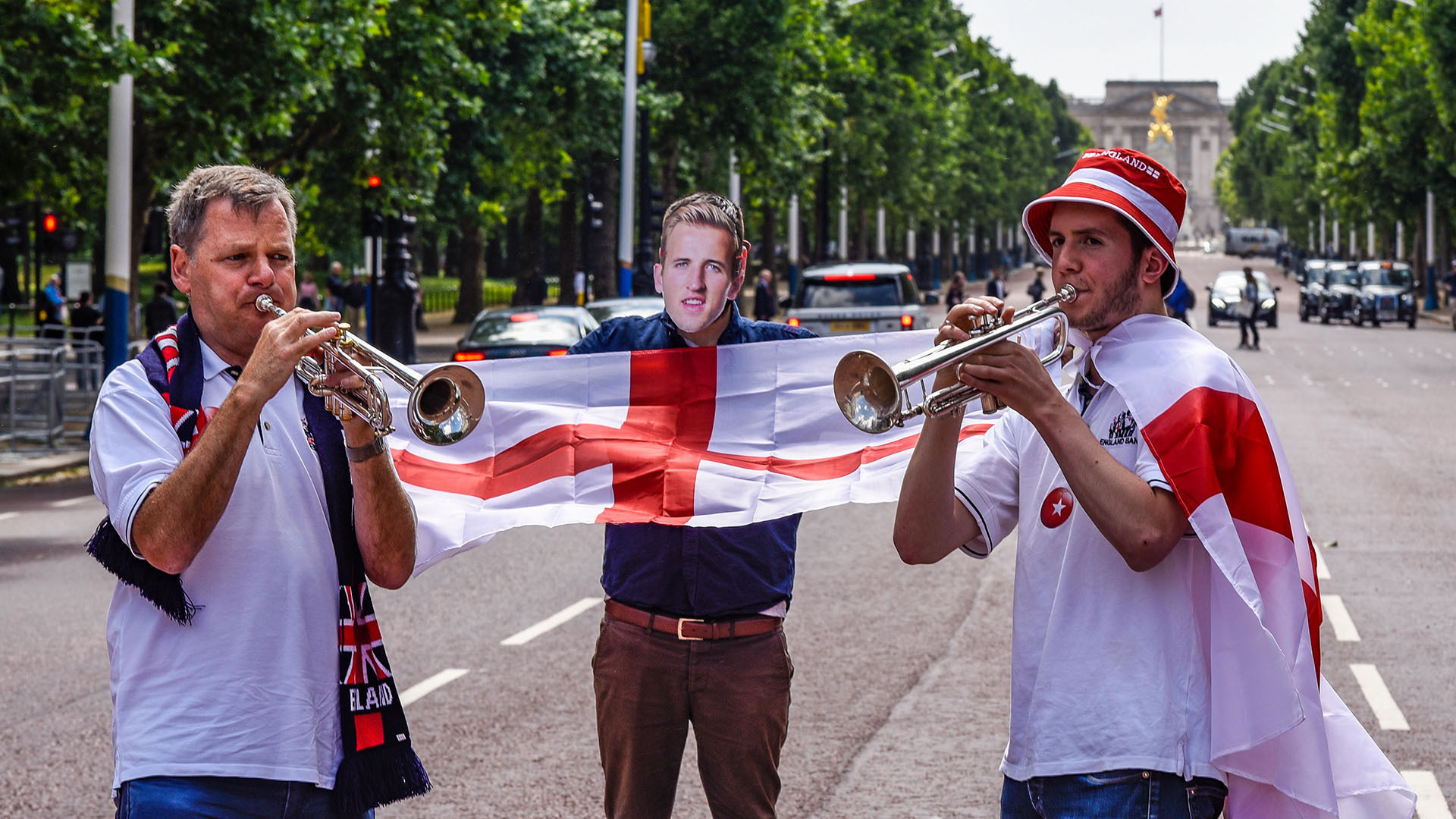
The public betting patterns also differ markedly. Casual bettors who rarely engage with football betting often participate during World Cups, creating potential market distortions on popular teams. England, for instance, historically trades shorter than their tournament record suggests, likely due to patriotic betting volumes rather than objective assessment. Understanding these public bias patterns can reveal value on either side of such fixtures.
Timing Your World Cup Bets: Early Odds vs Late Markets
When you place World Cup bets significantly affects the value available and the information you're working with.
Early tournament outright betting – placed months or even years before the competition – offers dramatically different pricing than late pre-tournament or in-play odds. Brazil opened at approximately 9/2 for World Cup 2022 when odds first appeared in 2019, but drifted to 13/2 by tournament kick-off as their qualifying performances and injury concerns developed. Conversely, Argentina tightened from 12/1 early odds to 11/2 by the tournament start following their Copa America success and extended unbeaten run.
Early odds typically offer better value on unfancied nations who subsequently improve, but carry substantial risk of squad changes, managerial turnover, or form collapses over the intervening period. Late odds incorporate maximum information but offer less potential for market mispricing.
For individual match betting, the optimal timing depends on your information edge. Odds released two weeks before a fixture reflect only general team strength and probable line-ups. As team news firms up 24-48 hours before kick-off, markets adjust to incorporate confirmed selections, tactical plans leaked through press conferences, and late injury developments.
Experienced bettors often identify value by anticipating these adjustments. If you correctly predict a key player will miss a fixture before bookmakers factor this into their odds, early betting secures better pricing. However, if you lack inside information, waiting until full team news becomes public ensures you're making decisions with complete data, even if pricing becomes slightly less generous.
In-play World Cup betting presents its own timing considerations. Tournament knockout matches often see dramatic momentum swings, with favourites drifting after conceding before subsequently controlling proceedings. The question becomes whether you're timing these swings based on genuine tactical shifts or merely reacting to score effects that the market has already priced efficiently.
Responsible Gambling and World Cup Betting
World Cup betting requires particularly careful risk management given the tournament's unique characteristics and the emotional engagement many bettors have with their national teams.
The concentration of fixtures within a four-week period creates natural pressure to bet more frequently than usual. During the Premier League season, you might identify 2-3 weekly bets that meet your value criteria. During World Cup 2026, with 104 total matches over approximately 30 days, the constant availability of fixtures can encourage betting beyond your normal patterns simply because the opportunity exists.
Establishing fixed bankroll limits before the tournament begins helps mitigate this risk. Determining that you'll allocate, for instance, £200 across all tournament betting creates a clear boundary that prevents gradual escalation. Dividing this amount by expected number of bets (perhaps 10-20 across the month) provides a rough unit size that ensures no single wager represents disproportionate risk.
Emotional betting represents a particular challenge during World Cups when national pride intersects with wagering decisions. Bettors statistically overestimate their own nation's chances whilst underestimating opponents, a bias that bookmakers exploit through adjusted pricing. English bettors consistently overbet England, Scottish bettors overbet Scotland, and this pattern repeats across nationalities.
The solution isn't necessarily avoiding bets on your own nation – sometimes they do represent genuine value – but rather implementing extra scrutiny on such wagers. Before backing your country, explicitly articulate the sporting reasons that justify the bet independent of national allegiance. If the analysis wouldn't convince you about another nation in similar circumstances, the bet probably reflects emotional bias rather than objective value.
Free bet offers and World Cup betting promotions create additional considerations. These offers provide genuine value when used strategically, but shouldn't alter your fundamental betting approach. The optimal use of free bets involves identifying slightly longer-priced selections where the risk-free nature maximises the expected value of the offer, rather than backing short-priced favourites that minimise potential return.
Anyone concerned about their betting behaviour should utilise deposit limits, reality checks, and self-exclusion tools available through licensed operators. These features exist specifically for high-intensity betting periods like World Cups when the volume of fixtures and emotional engagement can encourage excessive wagering.
Risk vs Reward: Assessing Whether World Cup Betting is Worth It
Whether World Cup betting represents worthwhile risk depends on several personal factors beyond pure mathematical expectation.
For experienced football bettors who consistently identify value in domestic leagues, World Cup betting often represents logical extension of existing analysis. The same principles of form assessment, tactical evaluation, and price comparison apply, though adjusted for tournament-specific factors. If you've developed profitable approaches to domestic football betting, FIFA World Cup 2026 provides additional opportunities to apply those skills.
For casual bettors who engage primarily during major tournaments, the question becomes whether entertainment value justifies potential losses. Placing modest wagers on World Cup fixtures enhances viewing experience for many people, creating additional engagement with matches involving neutral teams. From this perspective, losing £20-£50 across a month-long tournament might represent acceptable entertainment expense, similar to purchasing tickets to live matches.
The mathematics of betting value remain constant regardless of competition. Positive expected value derives from identifying occasions when bookmaker odds imply lower probability than your assessment suggests truly exists. World Cup betting doesn't fundamentally alter this equation, though the unique tournament characteristics create different patterns of potential mispricing than exist in regular season football.
Comparing World Cup betting to other entertainment spending provides useful context. The average UK household spends approximately £150 monthly on entertainment and recreation according to ONS data. Allocating a portion of this budget to World Cup betting during tournament months represents reasonable financial prioritisation if it genuinely enhances your enjoyment and remains within entertainment spending capacity.
However, betting should never represent income expectation or financial solution. The structural mathematics of bookmaker margins mean that most bettors lose money over time. Even skilled bettors experience extended losing periods due to variance. World Cup betting therefore makes sense only when potential losses represent acceptable entertainment expense rather than meaningful financial impact.
Making Informed Decisions with World Cup Free Bets and Betting Offers
Football betting offers surrounding World Cup 2026 will likely include enhanced odds, free bet matches, and profit boosts on tournament markets. These promotions provide genuine additional value when used strategically.
Free bet offers typically work by matching your initial deposit or stake with bonus funds subject to turnover requirements. A standard offer might provide £30 in free bets when you deposit and bet £10, requiring you to turn over the bonus amount 1-3 times before withdrawing winnings. The value of such offers depends on the turnover requirements and the odds restrictions attached.
Best free bets for World Cup betting are those with minimal restrictions on odds and market types. Offers requiring bets at 1/1 or longer create flexibility to identify genuine value selections rather than forcing short-priced accumulator bets that serve bookmaker interests more than bettor value.
Enhanced odds promotions warrant particular scrutiny. An offer boosting Brazil to win their opening match from 1/3 to evens appears valuable but may limit maximum stake to £10-£25, capping actual value at £5-£8 compared to standard odds. These offers provide worthwhile small-stake opportunities but shouldn't dominate betting strategy.
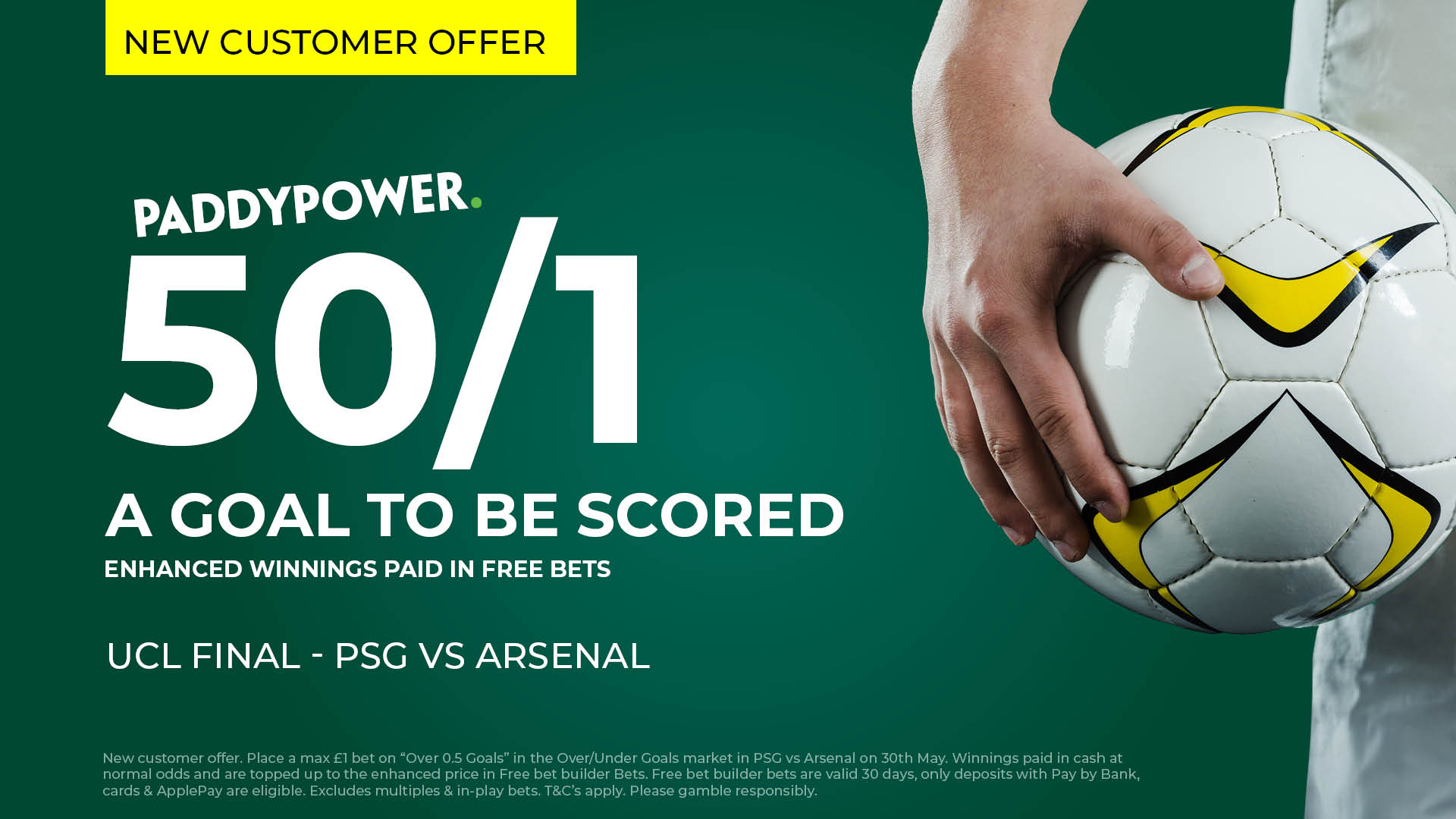
Comparing World Cup betting offers across multiple operators makes sense given the competitive landscape during major tournaments. Paddy Power, Betfair, and Sky Bet each structure their FIFA World Cup 2026 promotions differently, with varying emphasis on outright markets, match bets, or player specials. Maintaining accounts with multiple licensed operators allows you to access the best available price on each individual bet rather than accepting inferior odds due to operator loyalty.
The fundamental principle remains that betting offers should complement sound betting strategy rather than driving it. The best World Cup betting approach identifies value opportunities through rigorous analysis, then maximises that value by capturing the best available odds and applicable promotions. Allowing promotions to dictate bet selection inverts this logic and typically leads to suboptimal outcomes.
Conclusion: Balancing Opportunity with Realistic Expectations
World Cup betting offers legitimate opportunities for those who approach it with realistic expectations, proper bankroll management, and genuine understanding of tournament football dynamics. The increased liquidity, diverse markets, and competitive odds available during FIFA World Cup 2026 create an environment where informed analysis can identify value.
However, World Cup betting also carries distinct risks including compressed fixture timelines, emotional decision-making pressure, and the high variance inherent in knockout tournament formats. Success requires adapting regular season betting principles to tournament-specific circumstances whilst maintaining disciplined staking and responsible gambling practices.
Whether World Cup bets are worth it ultimately depends on your individual circumstances, skill level, and relationship with betting. For those seeking entertainment enhancement with modest, affordable stakes, World Cup betting can increase engagement with the tournament. For experienced bettors with proven analytical approaches, it represents another application of existing skills. For everyone, maintaining clear financial boundaries and treating betting as entertainment rather than income opportunity remains essential.
Before placing World Cup bets, consider whether you've genuinely identified value based on sporting analysis, whether your stakes represent acceptable entertainment expense, and whether you're prepared for the realistic possibility of losing your stake. If these considerations align with your situation, World Cup betting can be worth it. If not, enjoying the tournament as a neutral spectator remains a perfectly valid choice.
For more comprehensive guidance on World Cup betting strategy, visit our 2026 FIFA World Cup Free Bets Hub for detailed analysis of markets, odds, and promotional opportunities.
18+ only. Please gamble responsibly. When the fun stops, stop. For gambling support and advice, visit BeGambleAware.org or call the National Gambling Helpline on 0808 8020 133.
.jpg)

.jpg)
.jpg)


.jpg)