When Tottenham moved to part company with Thomas Frank earlier this week, no one was surprised. If anything, many had argued the Danish boss, appointed just last summer, should have gone sooner.
A run of just two wins in their last 17 Premier League games had left Spurs floundering in 16th spot, perilously close to the relegation zone and miles away from any realistic ambitions of European football next season.
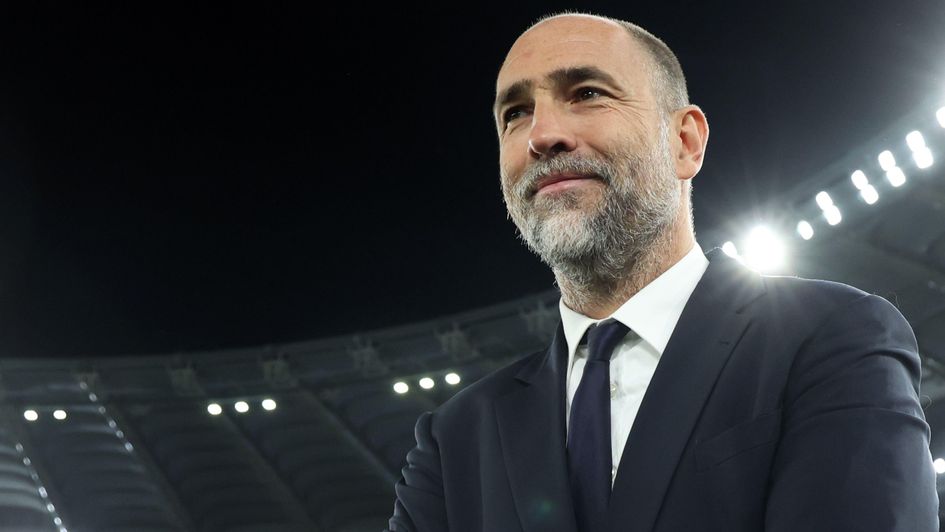
The club have moved swiftly to seal Frank's replacement, reaching a verbal agreement with Igor Tudor to take charge as interim head coach until the end of the 2025/26 campaign, with the contract running only until June and no permanent option included.
The final details are still being wrapped up, but Tudor is expected to start work with the squad when they return from their brief break ahead of next week’s north London derby against Arsenal.

On the face of it, Spurs’ appointment of Tudor is striking – a move that feels at once desperate and calculated.
It’s myopic because there’s no clear path beyond this summer; the Croatian has been brought in as a caretaker, a firefighter, precisely so the club can pause, reset and conduct a proper search for a long-term managerial solution once the season is concluded.
The Spurs’ hierarchy have made it plain that a permanent appointment – with candidates like Roberto De Zerbi and the ever-popular Mauricio Pochettino frequently mentioned in connection with the job – will be made only after the campaign ends.
This is, bluntly, a measure to buy time while Spurs seek to arrest their slide down the table.
And yet, in another sense, the short-term move for Tudor is logical. The Croatian coach brings exactly the wealth of experience in this precise predicament.
He is a coach whose résumé includes stints where immediate impact has been the priority, rather than the implementation of a long-term vision. He has been around big clubs and tricky situations before – he is not a rookie parachuted into the Premier League chaos for the first time.
That blend of short-term pragmatism and big-club know-how makes his appointment understandable, if fraught with risk.
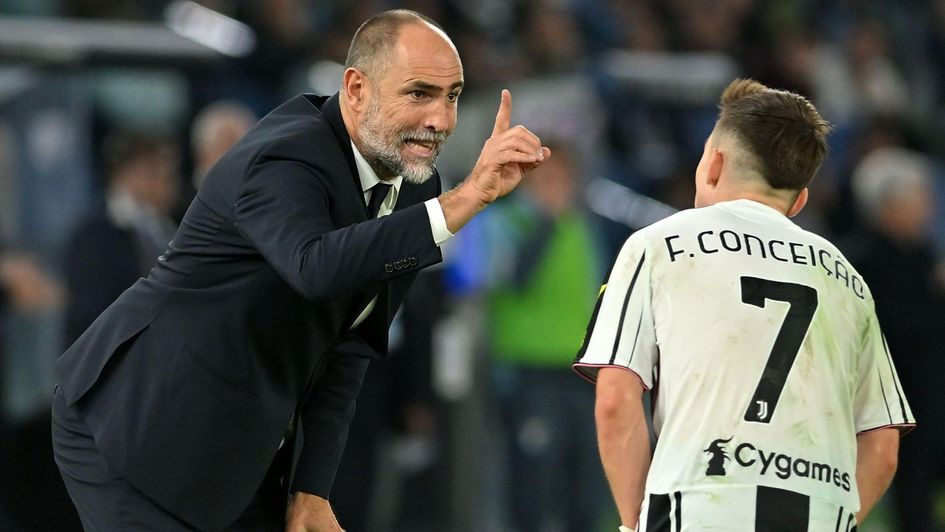
Tudor’s footballing journey began on the pitch as a towering, physical defender, eventually earning a move from Hajduk Split to Juventus in 1998.
Over nine seasons in Turin, Tudor became known for his dependability, contributing to league successes in a Juventus side that won back-to-back Serie A titles in 2002 and 2003 and a host of other honours during that era.
Tudor’s managerial path has been anything but linear.
After cutting his teeth back at Hajduk Split, where he led the club from 2013 to 2015 and lifted the Croatian Cup, he ventured abroad with stints at PAOK and Karabukspor before a brief and turbulent time with Galatasaray.
He further added experience in Italy with Udinese on two occasions, steering the side clear of relegation, and a spell with Hellas Verona that underlined his adaptability across leagues and cultures.
Later, he returned to Hajduk, before being invited by Andrea Pirlo to join his coaching staff at Juventus in 2020 – a chance to work again at a club where he had been a stalwart as a player.
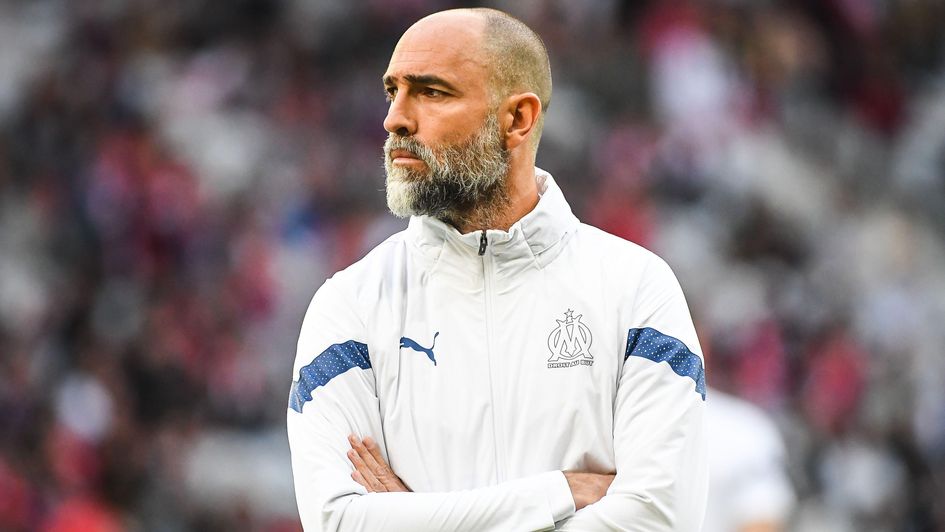
His track record of short-term impact was perhaps most visible at Marseille in Ligue 1 in the 2022-23 season. In his solitary campaign there, Tudor guided l’OM to a third-place finish, ensuring qualification for the following season’s Champions League qualification rounds.
However, a pivotal loss to Tottenham in a Europa League group game contributed to Marseille’s early elimination during Tudor’s brief tenure.
Tudor’s aptitude for interim rescue missions was underlined further in Italy.
In March 2024, he took over Lazio midway through the season and led them to Europa League qualification – a clear sign of his ability to steady a ship on the brink.
The following year, in March 2025, Juventus called on him again, this time replacing Thiago Motta. Tudor’s initial months in charge were impressive; he steered Juve to a top-four Serie A finish, securing Champions League football for the storied club.
But that brief honeymoon didn’t last.
After a positive start to the subsequent season, Juventus suffered a crushing downturn – eight matches without a win across all competitions; a 1-0 defeat to Lazio in October 2025 sealed Tudor’s dismissal.
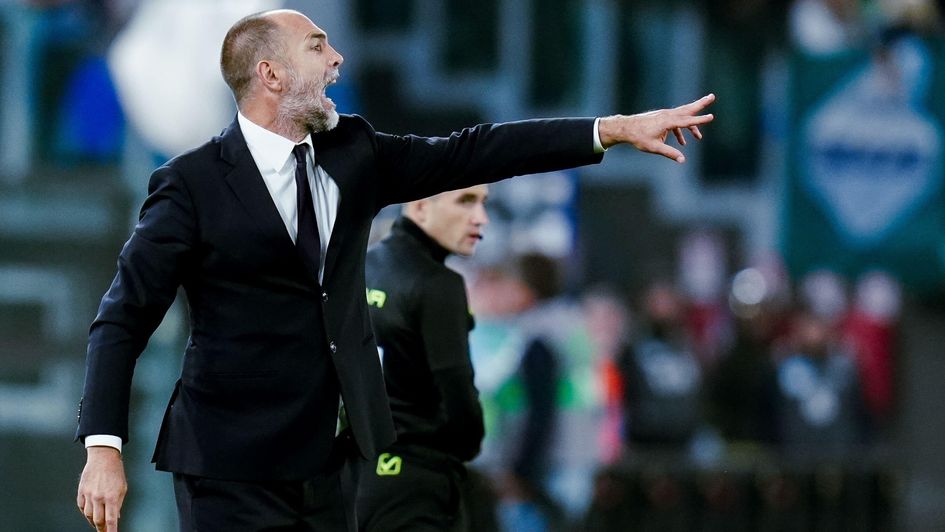
His time as manager in Turin lasted just seven months and while flashes of tactical nous were evident, consistency eluded him.
This pattern – a manager who can galvanise teams in the short term but struggles over the longer haul – is exactly why Tottenham’s decision feels both pragmatic and precarious.
Tudor’s strength is getting a group to tighten up and respond; his weakness is in evolving that response into a sustainable trajectory over a full season or beyond.
In appointing him for just the final stretch of this campaign, Spurs have acknowledged this reality: they want someone who can cut out the immediate rot, not rebuild an entire philosophy.
With his first assignment likely to be next weekend’s north London derby against Arsenal, there could scarcely be a more dramatic way for Tudor to stamp his authority and win over a sceptical fanbase.
A derby upset could be the catalyst Spurs desperately need; a defeat would intensify Tottenham’s struggles.
Yet, in the chaos of Spurs’ season so far, there is no greater stage for an expert interim manager to make an instant impression.
More from Sporting Life
Safer gambling
We are committed in our support of safer gambling. Recommended bets are advised to over-18s and we strongly encourage readers to wager only what they can afford to lose.
If you are concerned about your gambling, please call the National Gambling Helpline / GamCare on 0808 8020 133.
Further support and information can be found at begambleaware.org and gamblingtherapy.org.