


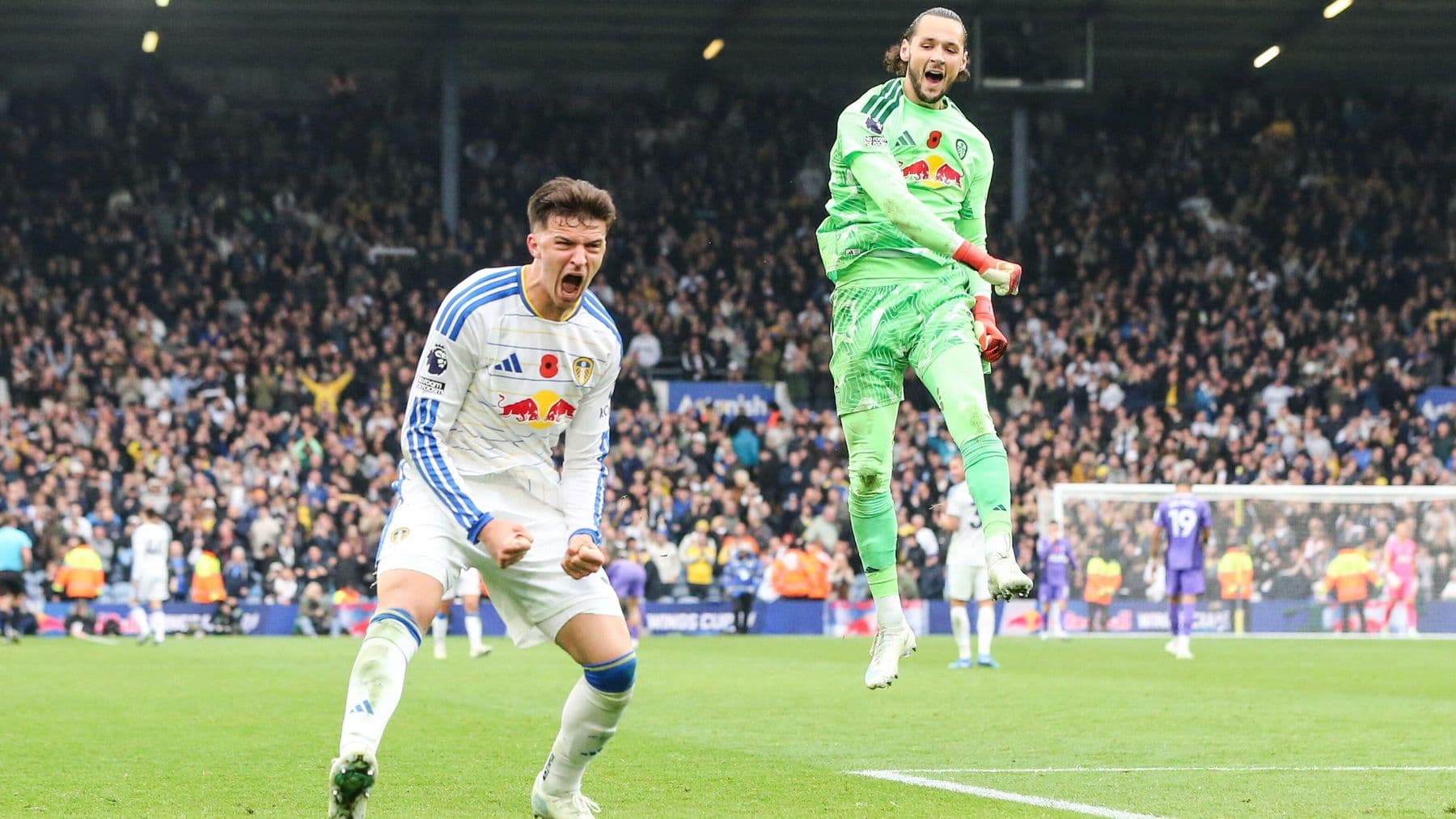
Leeds United’s 4-1 win at Chelsea felt like the sort of result capable of changing the parameters of a season.
Daniel Farke’s side travelled to Stamford Bridge with survival no longer their only realistic target and returned to Yorkshire sitting sixth in the Premier League.
Noah Okafor scored twice, Dominic Calvert-Lewin converted a penalty and Brenden Aaronson completed Leeds’ biggest league victory in London since 2003.
The attacking display will dominate the highlights, but the foundations of their unexpected rise were laid much further back.

After 11 matches, only Arsenal have conceded fewer Premier League goals than Leeds’ nine. Farke’s team have kept four clean sheets, allowed the fifth-fewest big chances and collected 17 points despite scoring a relatively modest 14 goals.
That is a dramatic shift in identity for a club whose previous Premier League seasons were so often characterised by defensive chaos. Even during their promotion campaign, Farke was associated more closely with possession and attacking structure than the type of resilient football Leeds are now producing.
The transformation began last season. A switch to three centre-backs helped Leeds stabilise after a difficult period, and Farke has retained the system rather than returning permanently to the back four he used while winning the Championship.
The 3-4-2-1 shape is not especially adventurous, but it gives Leeds the protection required to compete with stronger squads. The three central defenders remain compact, the wing-backs recover quickly and Ethan Ampadu patrols the area immediately in front of them. Opponents are frequently pushed towards the flanks, where Leeds are comfortable defending crosses.
Farke has also made his pressing more selective. Leeds are not passive, but they no longer chase the ball with the reckless enthusiasm that can leave newly promoted sides exposed. Their pressure tends to intensify once opponents enter midfield, allowing the back three to remain connected rather than being dragged into large spaces.
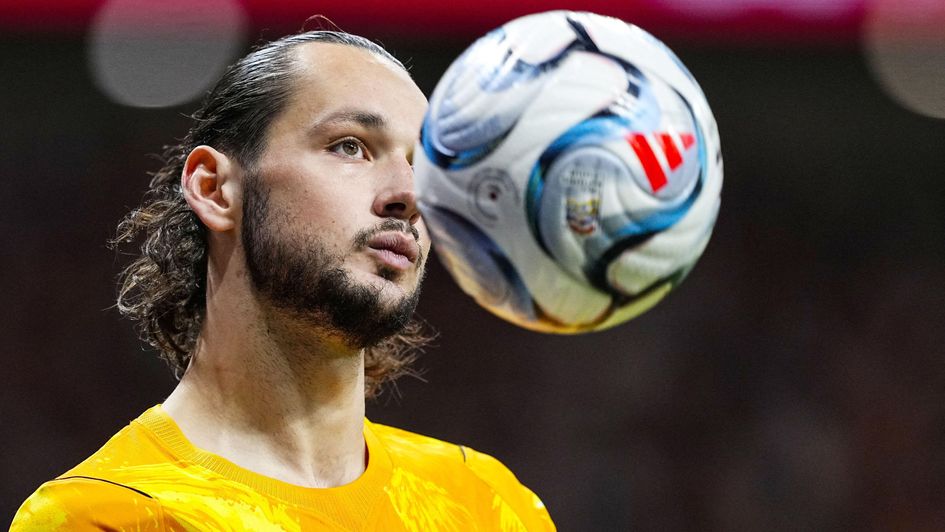
James Trafford has provided the final layer of security. The England goalkeeper has made 39 league saves, conceded nine goals and kept four clean sheets since arriving from Manchester City during the summer. His save percentage of just over 81 per cent places him among the division’s leading goalkeepers.
Trafford’s shot-stopping has already rescued points, although his influence goes beyond saves. He is willing to move outside his penalty area, sweep behind a high defensive line and provide an extra option during the build-up. That permits the centre-backs to spread wider and makes Leeds more difficult to trap with an aggressive press.
His workload does offer one note of caution. A team with European ambitions would prefer not to rely so heavily on its goalkeeper, and Trafford’s current rate of saving may be difficult to sustain across an entire season. Leeds’ defensive record is excellent, but it is partly the product of an exceptional individual campaign.
Tarik Muharemovic has been equally important. The Bosnia and Herzegovina international has played every league minute this season and established himself as the organiser on the left of Farke’s back three. He averages more than 10 defensive contributions per game and has won 49 aerial duels.
Muharemovic is more than a penalty-area defender. He will step into midfield when opponents stand off, carry possession forward and attempt passes through the lines.
At Stamford Bridge, one adventurous surge ended with him crossing for Calvert-Lewin, who should have scored. That willingness to break the opposition’s first line helps Leeds escape pressure without sacrificing their structure.

James Justin has proved particularly valuable on the right. His background as a full-back means he is comfortable defending wide areas, an important quality when Jayden Bogle advances. Justin can also overlap from centre-back, creating an extra runner without forcing Leeds to commit a midfielder forward.
His versatility has allowed Farke to alter the shape during matches. Leeds can defend in a five, build with three or shift towards a conventional back four without making a substitution. Justin has played 971 league minutes, missing only 19, and his availability has helped an evolving defensive unit develop consistency.
Nico Elvedi has brought experience through the centre, while Joe Rodon and Jaka Bijol give Farke alternatives. Ampadu’s contribution should not be overlooked either. The captain leads Leeds in defensive actions and provides the aggression required to disrupt attacks before they reach Muharemovic and company.
Chelsea did find a way through when Morgan Rogers escaped Justin and released Emmanuel Emegha, whose powerful finish beat Trafford at his near post. Leeds’ response mattered more than the concession. They did not lose their shape or retreat in panic, instead equalising within three minutes and gradually taking command.
That composure is one reason European qualification has become a plausible ambition. Leeds have won four, drawn five and lost only twice. They are four points behind the top four and have already demonstrated that their system can travel, ending a 27-year wait for a league victory at Stamford Bridge.
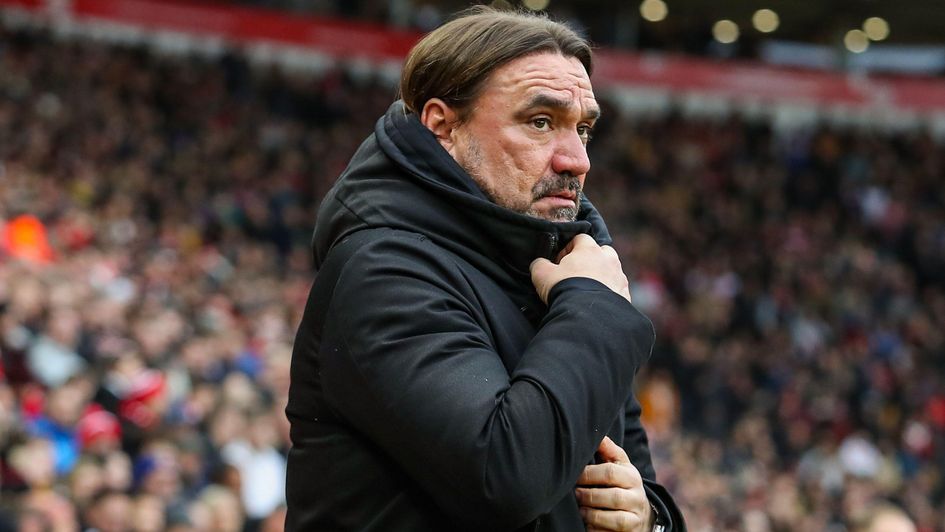
Defensive strength is usually the most reliable route to outperforming expectations.
Goalscorers can lose form, but a settled structure provides a team with a chance in almost every match. Leeds’ five draws also show how difficult they have become to put away.
The question is whether they can score enough. Their 14 league goals rank in the middle of the division, and the Chelsea performance was the first time they had scored more than twice this season. Okafor and Calvert-Lewin provide physical presence and direct running, but neither has yet established the relentless output associated with a European push.
Leeds may not need one prolific scorer if goals continue to arrive from several positions. Their defence also reduces the attacking requirement. If Trafford, Muharemovic and Justin keep opponents to one goal or fewer, isolated moments from Okafor, Calvert-Lewin or Aaronson may be enough.
European qualification should not yet be treated as an expectation. The fixture list will become more demanding, injuries will test the depth of the back line and Trafford cannot be expected to save everything.
Yet Leeds are no longer surviving through momentum or novelty.
Farke has constructed one of the Premier League’s most effective defensive units. If that brick wall remains intact, the trip to Stamford Bridge may eventually be remembered as the afternoon Leeds stopped looking down and started believing they belonged among the clubs above them.
More from Sporting Life
Safer gambling
We are committed in our support of safer gambling. Recommended bets are advised to over-18s and we strongly encourage readers to wager only what they can afford to lose.
If you are concerned about your gambling, please call the National Gambling Helpline / GamCare on 0808 8020 133.
Further support and information can be found at begambleaware.org and gamblingtherapy.org.