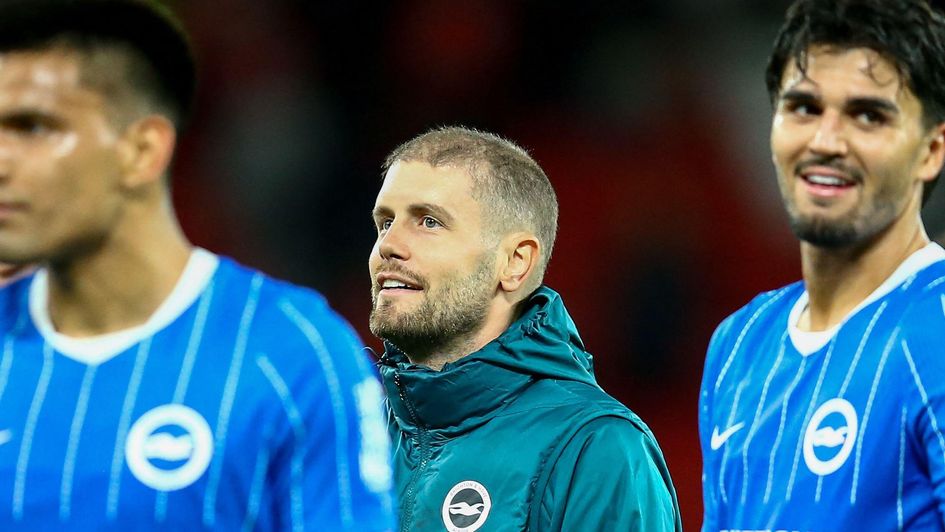
Fabian Hurzeler could hardly have designed a more persuasive week for his next employer.
First Brighton recovered from two goals down to beat Manchester United 3-2 at Old Trafford, eliminating Michael Carrick’s side from the Carabao Cup.
Three days later they dismantled the reigning Premier League champions, beating Arsenal 3-0 in a match sufficiently one-sided for Mikel Arteta to admit his team had been comprehensively outplayed.
Plenty of managers have enhanced their reputations by beating one of the traditional giants. Doing it twice in four days, with different teams and through different methods, was more revealing.

United raced into a 2-0 lead through Shea Lacey and Mason Mount, apparently taking advantage of Brighton’s rotation. Hurzeler’s side did not panic or abandon their approach. Charalampos Kostoulas pulled one back before half-time, Pascal Gross equalised and Maxim De Cuyper completed the comeback after 69 minutes.
United had not lost at home after establishing a two-goal lead for 50 years.
The Arsenal victory required something else. Brighton were not recovering from a poor start or exploiting a team collapsing under pressure. They were facing champions who had won their opening four league games and were pursuing an eighth successive victory in all competitions.
Brighton made them look ordinary. Gross and Kostoulas scored before half-time, Chema Andres added a third after the interval and Arsenal conceded three goals in a game for the first time since December 2023.
The result moved Brighton up to third in the Premier League table after five matches.

The temptation is to describe such performances as fearless, which is often football’s way of treating detailed preparation as youthful enthusiasm. Brighton did not beat Arsenal because their 33-year-old coach told everybody to be brave and hoped for the best. Their aggression was organised.
Hurzeler recognised that Arsenal would expect Brighton to build patiently from Bart Verbruggen. Instead, the goalkeeper repeatedly played long, directing passes towards Gabriel and Ezri Konsa and allowing Brighton to contest second balls high up the pitch. Ferdi Kadioglu pushed forward to help trap Arsenal in their defensive third. The usual Brighton appetite for risk remained, but the nature of that risk changed.
That adjustment is significant.
Roberto De Zerbi made Brighton one of English football’s most compelling tactical experiments by insisting that they draw opponents forward through short build-up. Hurzeler inherited the inevitable comparisons, along with the suspicion that he was merely maintaining a clever system created by somebody else.
Two full seasons have weakened that argument. Brighton have finished eighth in consecutive campaigns under Hurzeler, who has recorded a better win percentage than De Zerbi managed at the club. He has achieved that while coping with injuries, regular player sales and the constant turnover built into Brighton’s model.
The club’s recruitment deserves substantial credit. It always does. Brighton are exceptionally good at finding players before everybody else decides they are worth three times as much. Yet identifying talent is not the same as turning a collection of young footballers from different leagues into a coherent Premier League side.
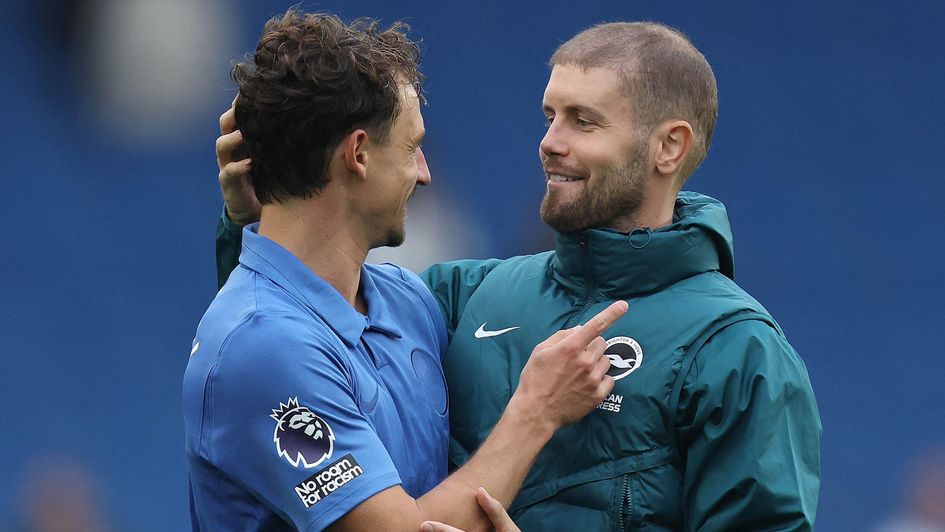
That is Hurzeler’s contribution. Brighton press aggressively but rarely thoughtlessly. Their front players curve their runs to block easy passes into midfield, while those behind them move forward with the confidence that the next space will be covered.
When the press works, Brighton attack close to goal. When it is beaten, they have become better at recovering into shape rather than continuing to chase the ball like an escaped balloon.
There is greater variety in possession too. Brighton can still draw pressure and play through it, but they are less precious about how attacks begin. They will go long, target a mismatch, crowd the second ball or move directly into the channels.
Against weaker opponents they can take territorial control. Against stronger ones they are capable of changing the terms of the contest.
That adaptability should interest ambitious clubs more than any fashionable formation. The biggest jobs do not merely demand a clever tactical idea. They require solutions against deep defences, aggressive presses, counter-attacking teams and elite opponents who punish familiar patterns.
Hurzeler is showing that he can alter the route without losing the identity.
Pascal firing us in front! 😍🔥 pic.twitter.com/Jfvm81NR7n
— Brighton & Hove Albion (@BHAFC) September 20, 2026
His age will inevitably dominate the discussion. Hurzeler became the youngest permanent manager in Premier League history when Brighton appointed him at 31, having guided St Pauli to promotion as champions of Germany’s second tier. He is younger than several players he has coached and was still playing non-league football in Germany when Pep Guardiola was collecting his first Premier League title.
That makes his rise unusual, but it should no longer make his suitability doubtful. Brighton did not appoint a novelty act. They found a coach capable of communicating complex instructions, handling an evolving squad and surviving the moments when ambitious football produces ugly results.
The obvious caveat is that Brighton provide conditions few leading clubs can replicate. Their recruitment is joined up, their executives understand the playing model and their supporters are accustomed to promising players being sold. A coach can make long-term decisions without every draw becoming a referendum on his employment.
Moving to a wealthier but less functional club would bring different problems.
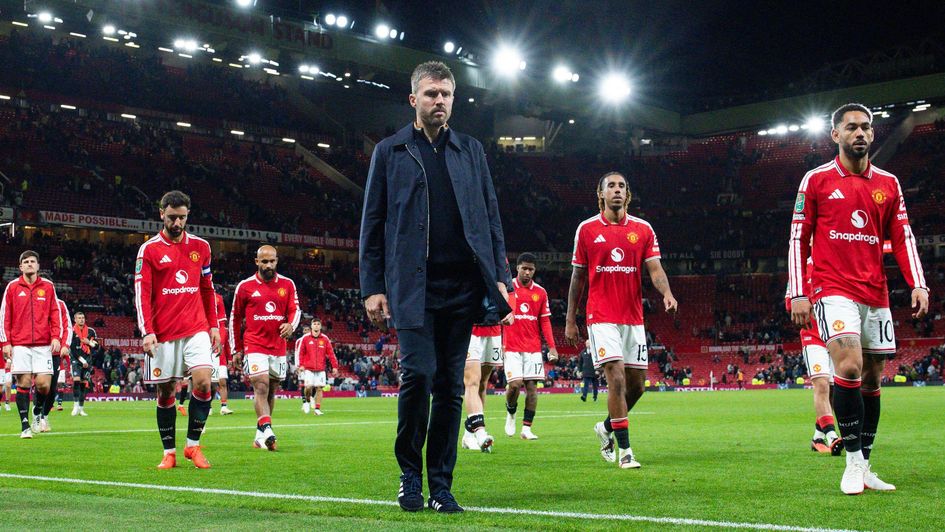
Manchester United, in particular, have spent years turning managerial reputations into historical documents. Tottenham’s impatience presents another form of danger. Hurzeler should not accept the first distressed giant waving a large contract in his direction.
But the same warning applies to anyone taking a major job. The issue is whether he has done enough to deserve consideration. After consecutive eighth-place finishes and a week in which Brighton eliminated United before humiliating Arsenal, the answer is becoming difficult to dispute.
Hurzeler has shown he can develop young players, absorb squad turnover and construct a team whose intensity survives tactical changes. He has also demonstrated the confidence to depart from Brighton orthodoxy when an opponent demands it.
The next leading Premier League vacancy will attract bigger names and managers with longer CVs. Few will offer a more convincing picture of what they can do right now.
More from Sporting Life
Safer gambling
We are committed in our support of safer gambling. Recommended bets are advised to over-18s and we strongly encourage readers to wager only what they can afford to lose.
If you are concerned about your gambling, please call the National Gambling Helpline / GamCare on 0808 8020 133.
Further support and information can be found at begambleaware.org and gamblingtherapy.org.