


< Return to What is Place BettingGo to What is a Reverse Forecast >

New Customer Offer
Get £40 In Free Horse Racing Bets When You Bet £10
New customers only. First single & E/W bet only. Odds of 1/1 or greater. 4 X £10 bet tokens. Free bet stakes not included in returns. Free bets for Horse Racing only. Free bets are non withdrawable. Free bets expire after 30 days. Eligibility restrictions and further T&Cs apply.
New Customer Offer
Get £50 In Free Bets When You Bet £10
Place a min £10 bet on Sportsbook on odds of min EVS (2.0), get 5x £10 in Free Bet Builders, Accumulators or multiples to use on any sport. Rewards valid for 30 days. Only deposits via Pay by Bank, Apple Pay or Debit Card will qualify. T&Cs apply. Please Gamble Responsibly.
New Customer Offer
Get £40 In Free Bets When You Bet £5
New Customer offer. Place a min £5 bet on the sportsbook at odds of min EVS (2.0) and get £40 in free bets. Free bet rewards valid for 30 days. Only deposits via Pay by Bank, Debit Cards & Apple Pay will qualify for this offer. T&Cs apply. Please Gamble ResponsiblyWhat is a Straight Forecast bet?
Slightly more complex and challenging to land than your typical double bet, a Straight Forecast is about picking the exact 1-2 finish in a race.
This kind of bet is popular in race-based sports, such as horse racing, greyhound racing, cycling and motorsports. It can be easy to place but challenging to win, as you have no margin for error in the finishing positions of two selections in the same race.
Due to simple nature of the bet, Straight Forecasts are popular in horse racing. At UK racecourses, it is usually required for those betting to put down a stake of at least £2 for a straight forecast bet.
Straight Forecast Bet Example
For straight forecast bets, the size of the field is normally a key consideration. The odds you are likely to get on a small field will be very different to those you get on a bigger field. In a five-runner handicap hurdle you are far more likely to be able to correctly predict the first two than you are in the Grand National.
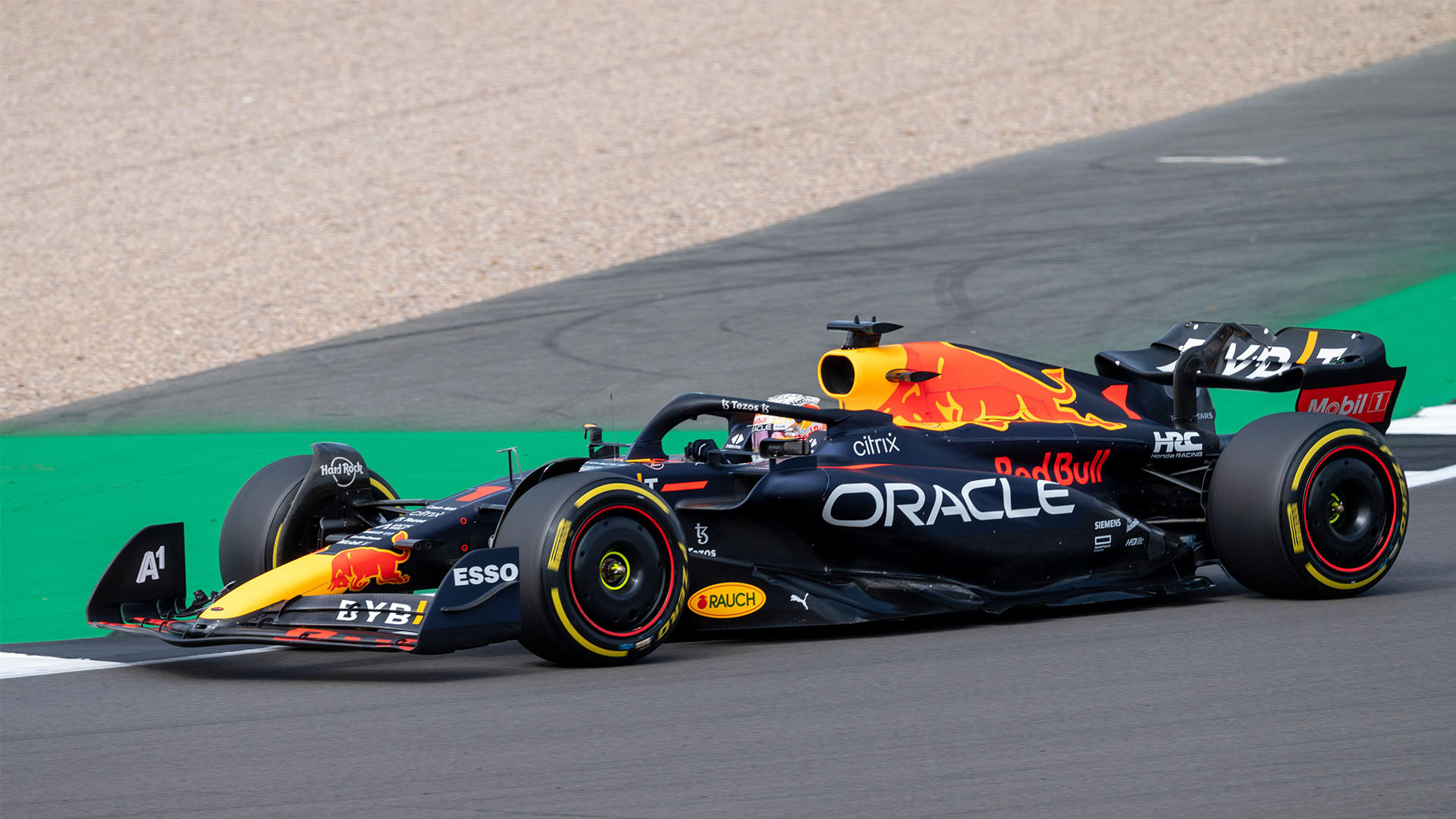
So let's imagine that you're betting on the British Grand Prix. As this is a Formula 1 race, there will normally be around 20 drivers, which means you're likely to get good odds as it's more difficult to correctly predict the result.
For your Straight Forecast bet you are predicting that Lando Norris will finish first and Max Verstappen will finish second. If this happens then your bet would be a winner. If Lando Norris wins but Max Verstappen finishes in third you would not win the bet, similarly if Lando Norris finished second and Max Verstappen you would not win the bet.
If the two drivers finish first and second but the roles are reversed, with Verstappen winning and Norris coming in second, you also lose the bet. While you have correctly predicted the top two, you have failed to predict the order in which they finished.
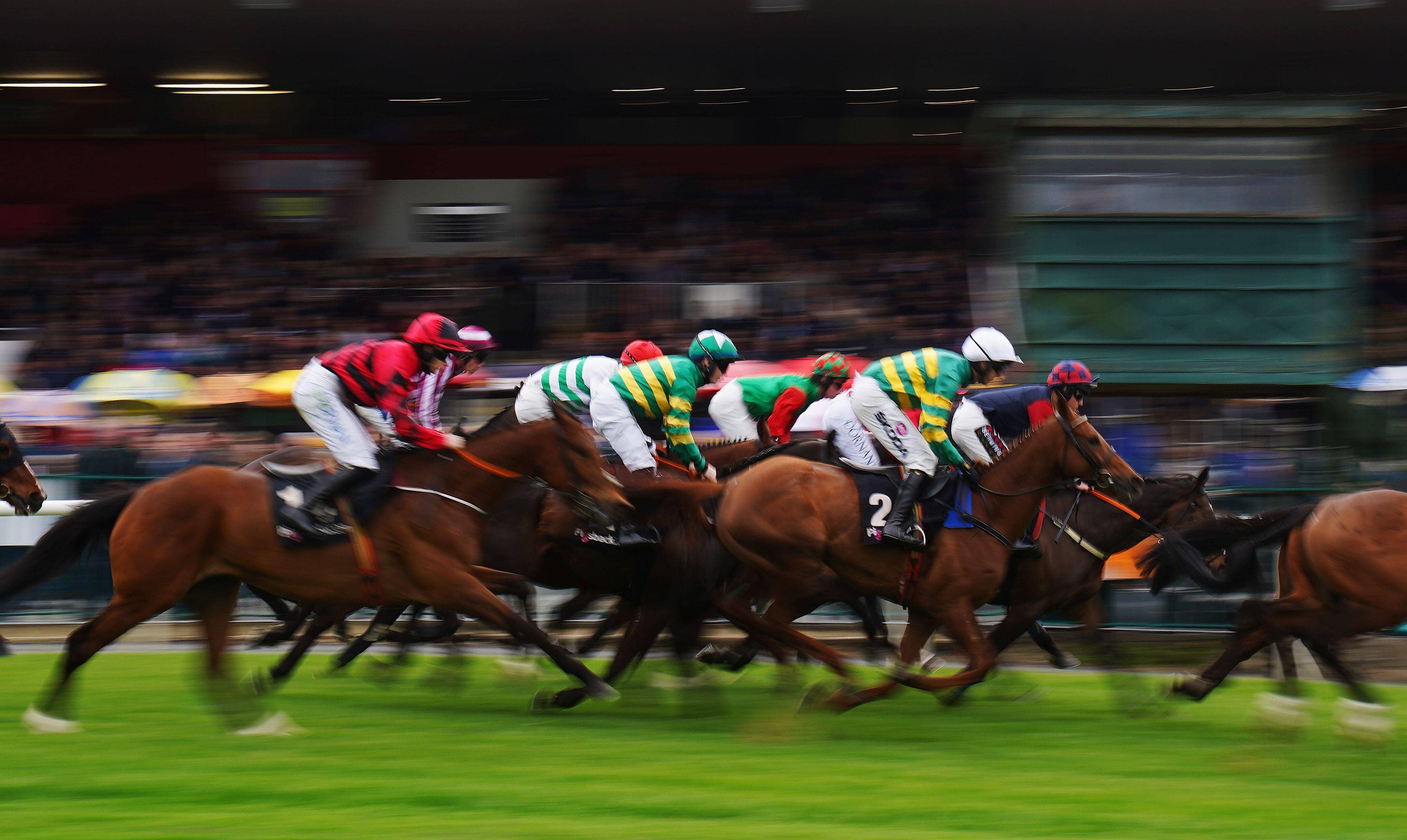
Another option could be to place a straight forecast bet on a horse race. In this scenario, you might receive odds that look less favourable if there are fewer participants in the race and it is easier to select the top two and their order. Some might say F1 is easier to predict than horse racing though, so you have to weigh your options up, considering the odds on offer.
However, the same principle guides the bet: if you predict that Horse A will finish first and Horse B will finish second, those two horses must finish in that exact order for you to win. Any other option means you lose the bet.
Reverse Forecast and Combination Forecast
You may hear straight forecast bets mentioned alongside two other kinds of forecast bets. These are known as a Reverse Forecasts and Combination Forecasts. They are similar to a straight forecast bet, but have very different rules governing who does and does not win.
A Reverse Forecast bet is very similar to a straight forecast bet in that you predict who will finish first and second. However, it doesn't matter which order the participants finish in. From the above example, if you predict that Norris will win and Verstappen will come second, you will win the bet even if Verstappen wins and Norris is second. If one or both of these racers fail to finish in the top two, you will lose.
Another major difference between a reverse forecast bet and a straight forecast bet is the stake. If you bet £10 on a reverse forecast bet, you will in fact be betting £20. This is because you're essentially placing two bets. One bet is on the racers to finish in the exact order you stipulated and the other is for them to finish in the reverse order.

Other Kinds of Multiple Bets
A Straight Forecast is a form of multiple bet and there are a lot of different types of multiple that will involve difference combinations of bets and selections.
You can find full descriptions of all the different types of multiple bets, and worked examples in our Bet Terminology Guide or by selecting the bet type below!
Straight Forecast >
Goliath Bet >
Sign Up for Free!
The No.1 place for Sports Betting Insight, Data & Content.
- Watch Race Replays
- Follow & track your favourite horses, jockeys & trainers
- Get premium insight from our experts
Links
Browse our catalogue of sports free bets and betting offers.