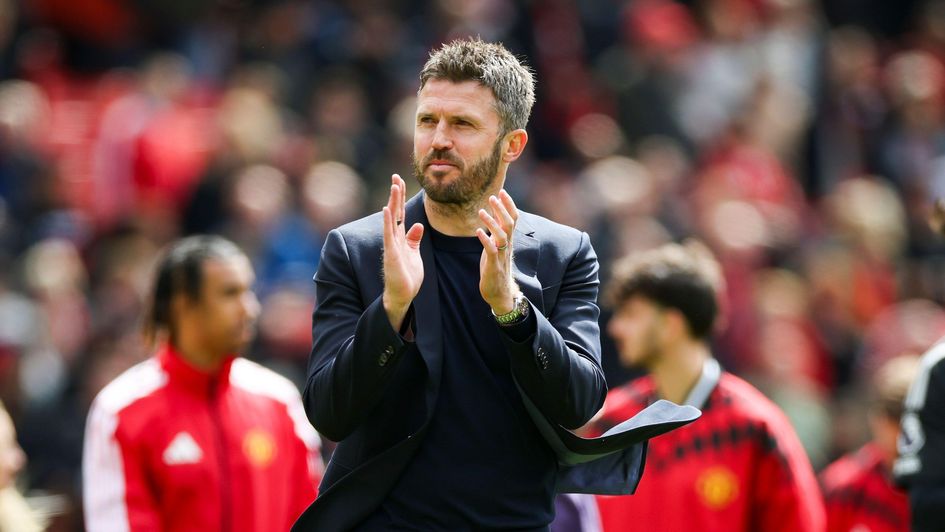
The interim tag was always doing Michael Carrick a favour.
It lowered expectations, simplified the conversation and allowed Manchester United supporters to enjoy the novelty of competence again without immediately demanding a title challenge. But the moment the agreement was reached for Carrick to become the club’s permanent manager, the job changed entirely.
Carrick’s revival work since January has been impressive enough that there is little argument against the appointment. United looked rudderless under Ruben Amorim, drifting through matches and drifting down the table. Carrick steadied them quickly, dragging them back into the Champions League places with a calmer, more coherent version of football.
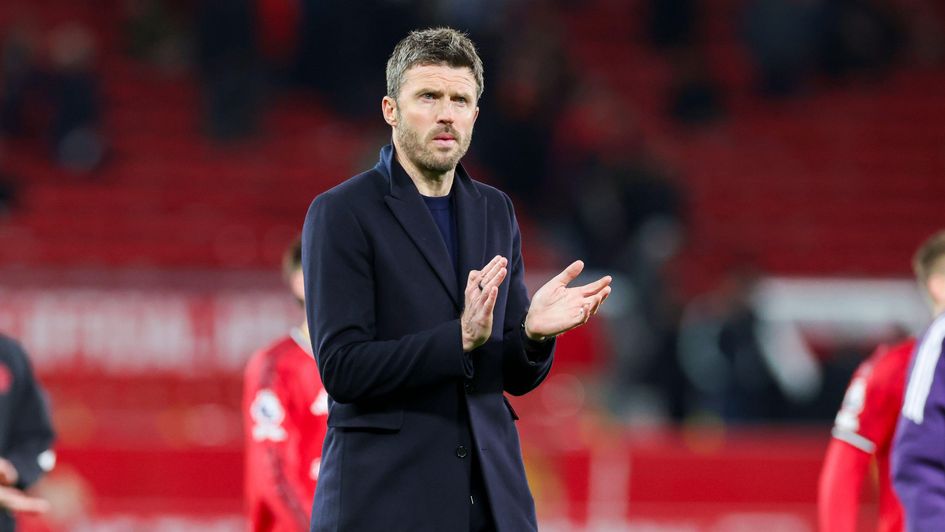
Yet becoming Manchester United’s permanent manager means inheriting problems rather than postponing them. Interim coaches are judged on vibes, results and whether players look happier. Permanent managers are judged on squad construction, succession planning, recruitment strategy and whether the team can survive playing every three days from August to May. Carrick’s to-do list is extensive, and the comforting glow of the caretaker bounce will disappear quickly once next season begins.
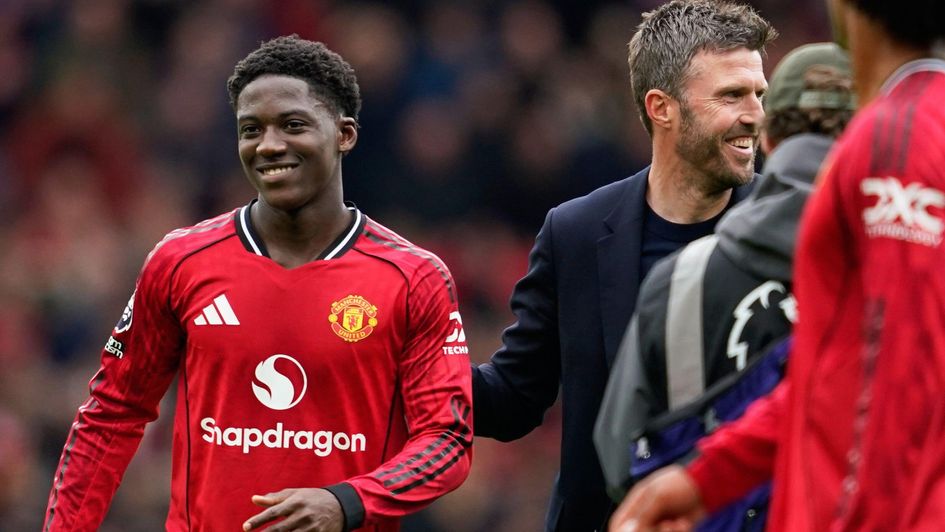
The most pressing tactical issue concerns Kobbie Mainoo. Carrick has restored Mainoo to prominence after a difficult first half of the campaign, using him with greater freedom and trusting him to dictate games rather than merely survive them. The problem is that United still do not have an ideal midfield partner for him.
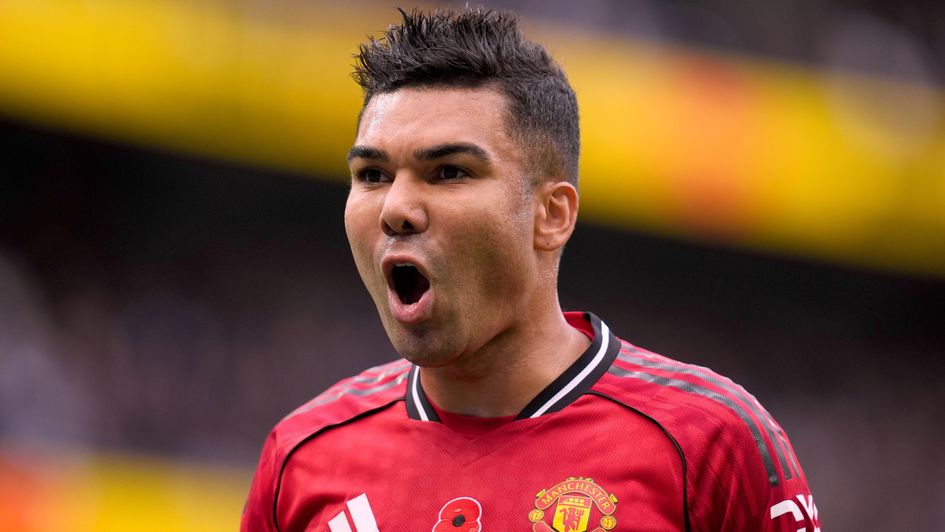
Casemiro’s departure this summer is imminent and his farewell has arrived with a strangely productive flourish. Nine Premier League goals from midfield is an extraordinary return for a player whose mobility has visibly declined. And the fact that eight of those goals came from set pieces underlines both his enduring intelligence and United’s dependence on dead-ball situations for crucial moments. Replacing his defensive coverage is one thing; replacing that source of goals is another entirely.
Mainoo needs somebody alongside him capable of covering ground aggressively without turning United into a purely transition-based side. Carrick’s own playing career offers clues to the type of midfielder he will want. He understands the value of tempo control, positional discipline and subtle circulation. The issue is that modern football increasingly demands physical intensity alongside technical security, and United’s midfield still swings awkwardly between athleticism and composure rather than combining both.
Too often this season Mainoo has been forced into dual responsibilities. He has had to progress the ball and stabilise the game, attack space and protect transitions, dictate rhythm and win second balls. It is an unsustainable burden for a 21-year-old. Carrick’s challenge is to find a partner who complements rather than duplicates him.
The set-piece question extends beyond Casemiro’s goals. United have become increasingly reliant on dead balls for momentum swings in difficult matches. Bruno Fernandes remains one of the division’s elite creators, having equalled the Premier League assist record with 20 this season, but delivery alone is meaningless without targets capable of attacking space aggressively.
Harry Maguire still offers aerial threat, but his future remains uncertain every summer. Matthijs de Ligt has endured an uneven campaign disrupted by injury, while Benjamin Sesko attacks crosses enthusiastically without always timing his movements correctly.
Casemiro’s bursts from the edge of crowded penalty areas have been oddly irreplaceable because they relied on anticipation rather than brute force. Carrick and his staff will need to diversify United’s attacking set pieces rather than simply hoping another player inherits the Brazilian’s production organically.
Defensively, the situation is even more delicate. Lisandro Martinez remains United’s best progressive centre-back by a distance. He breaks lines, carries possession into midfield and injects aggression into the team’s structure. The difficulty is that United cannot plan an entire season around a player whose injury record has become impossible to ignore.
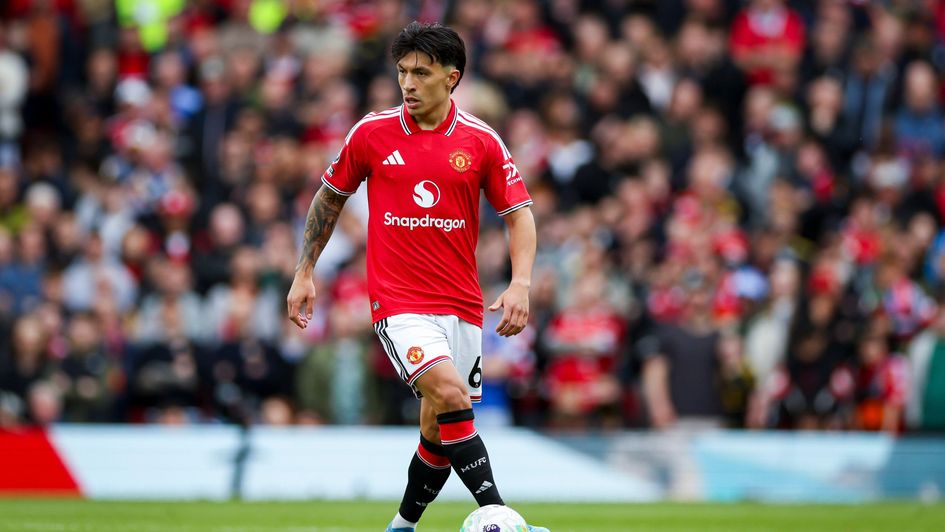
That uncertainty magnifies the importance of Leny Yoro and Ayden Heaven. United clearly believe both can become elite defenders, but expecting immediate consistency from either would be reckless. Yoro’s composure is already evident, particularly in recovery situations, while Heaven possesses the kind of athletic profile modern coaches covet. But central defenders still develop through mistakes and Old Trafford is not an environment that tolerates defensive mistakes patiently.
Carrick therefore faces an awkward balancing act. He must continue developing two hugely promising young defenders while ensuring United do not become structurally chaotic every time Martinez disappears for six weeks.
There is also the broader question of what kind of Manchester United Carrick actually wants to build. Interim football can thrive on emotional simplicity. Permanent football requires identity. During his first few months in charge, Carrick’s United have largely succeeded through clarity and pragmatism. The team presses more intelligently, transitions more cleanly and looks less vulnerable to complete tactical collapse. But the Champions League changes the equation.
Next season’s fixture schedule will be brutal. The Premier League alone exposes squad weaknesses quickly enough; adding elite European competition stretches every flaw into something impossible to hide. Rotation becomes essential rather than optional. Training time disappears. Injuries accumulate. Momentum fluctuates wildly.
Carrick also loses the emotional shield that protected him this spring. During an interim spell, defeats are temporary setbacks within a broader narrative of rescue. As permanent manager, every poor run becomes existential. Every tactical compromise becomes a philosophical debate. Every transfer signing becomes attached directly to his long-term credibility.
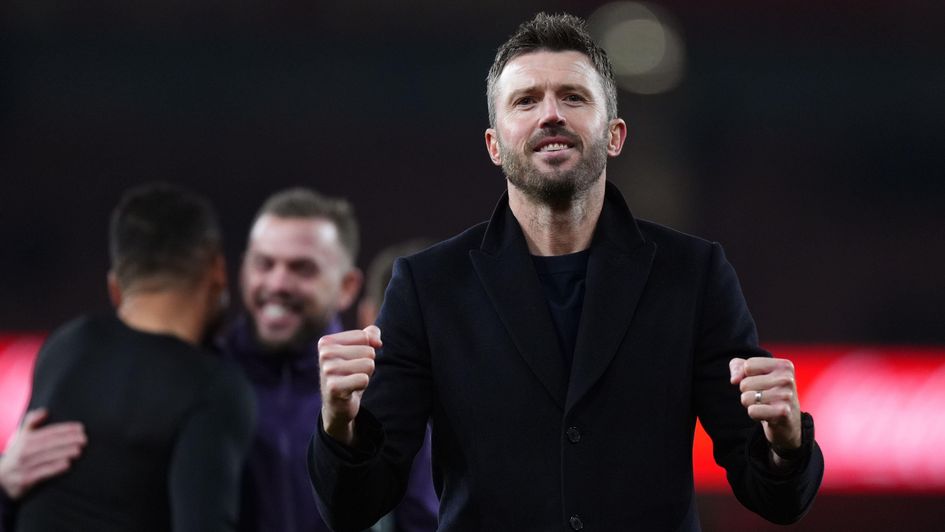
That is why his backroom staffing discussions matter almost as much as the contract itself. Carrick appears keen to retain experienced figures like Steve Holland and Jonathan Woodgate because he understands the scale of the transition ahead. The modern Manchester United manager is not simply a coach. He is a public spokesman, squad architect, academy pathway coordinator and political negotiator operating inside one of football’s most scrutinised environments.
The encouraging part for Carrick is that he already possesses the hardest thing to manufacture at Old Trafford: trust. Players clearly respond to him. Supporters want him to succeed. Senior executives believe he has stabilised a dressing room that looked fractured four months ago.
But trust only buys time if the planning is good enough. Manchester United have spent years lurching between short-term fixes and contradictory recruitment strategies. Carrick now has the opportunity to impose coherence. The danger is that success this spring creates the illusion that the rebuild is further along than it actually is.
It is not. United still need midfield structure around Mainoo, a replacement for Casemiro’s influence, defensive reliability beyond Martinez’s availability and greater squad depth for European football.
The interim manager’s job was to stop the bleeding. The permanent manager’s job is to rebuild the body.
More from Sporting Life
- Fixtures, results and live scores
- Home of This Week's Acca
- Football and other sports tips
- Download the Sporting Life app
- Podcasts and video content
Safer gambling
We are committed in our support of safer gambling. Recommended bets are advised to over-18s and we strongly encourage readers to wager only what they can afford to lose.
If you are concerned about your gambling, please call the National Gambling Helpline / GamCare on 0808 8020 133.
Further support and information can be found at begambleaware.org and gamblingtherapy.org.