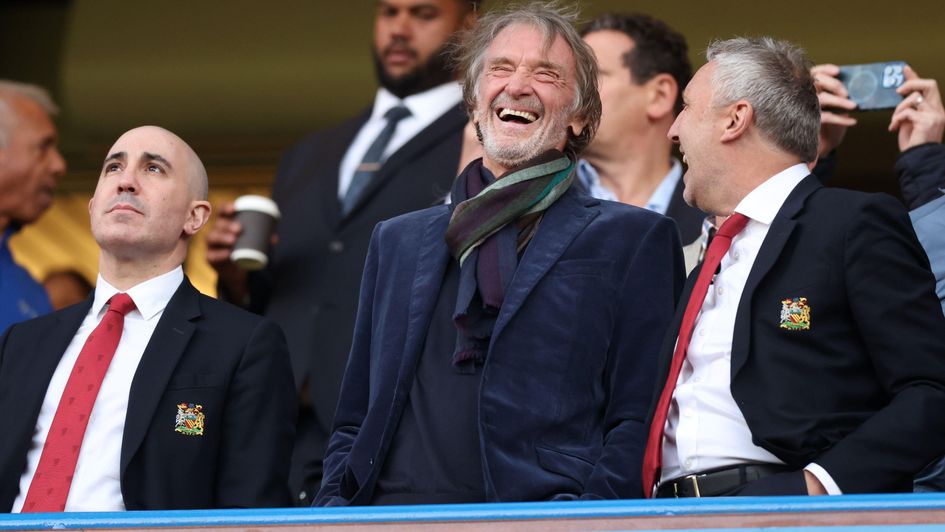
Only Manchester United could make such a cock-up of sacking the worst manager in the club’s modern history that all anybody wants to talk about is the “politburo of bullshit”, as journalist Dion Fanning memorably labelled the huddle of executives running things inexplicably ineptly at Old Trafford.
The timing of their decision to sack Ruben Amorim, just days after a bust-up with senior management, rather than, say, at any point during the last 14 months, when focus was entirely on Amorim’s stunning under-performance, has revealed new depths of incompetence at boardroom level.
On Monday morning Sir Jim Ratcliffe, Jason Wilcox, and Omar Berrada tried to scorch the earth around them but held the flamethrower the wrong way round.
Or just maybe it was a genius final move, a twist to end all twists, from Amorim himself, who used his final press conference to frame his entire tenure as a battle for the title of manager.

The vibe at Elland Road was that Amorim had messed up by declaring everyone should “do their jobs”. Now it looks like a masterstroke.
It has put Wilcox in particular under intense pressure following reports of interference in tactics and team selection, somehow relieving Amorim of blame while also dredging up historic failures of the Ratcliffe era, from mass lay-offs to the Dan Ashworth nightmare.
But looking beyond Old Trafford, Amorim’s parting shot, coming just days after Enzo Maresca faced something similar at Chelsea, has thrown light onto the brave new world of executive teams and their underling head coaches.
The model has snuck up on us in England, so much so that its day of reckoning comes out of nowhere.
Sure, there have long been grumbles about Wilcox, about Todd Boehly and his henchmen, but until now nobody has seriously wondered if the death of the manager was a Bad Idea.
The general consensus is that the model works; that having a structure above the head coach helps align transfer business in a world of frequent changes in the dugout.
But it isn’t entirely clear why confirmation bias regarding its efficacy has endured.

The good examples are few – Barcelona, Manchester City – but so deeply memorable everybody simply ignores all the times it has failed (see Chelsea’s last half-decade) or has had to be adapted, like Liverpool’s and Arsenal’s capitulation of power to Jurgen Klopp and Mikel Arteta respectively.
Perhaps the most convincing explanation is, paradoxically, the very thing that makes these executives unqualified in the first place. They are unknown and unknowable, their job suitability unquantifiable and their performance wholly unaccountable.
They could be geniuses or they could be in bullshit jobs twiddling their thumbs all day.
The fact we do not know means we have been able to project onto them the image of competency and intelligence, much as we do with high-powered millionaires everywhere.
A culture that glorifies men who hold meetings at the top of skyscrapers will automatically assume a knowledge base that quite often simply isn’t there, and as soon as you stop to think about it there becomes less and less reason to assume anybody in the industry could be more knowledgeable on tactics, transfers, coaching, or anything else football-related than the managers/head coaches.
Or to put it more bluntly, what the hell does Jason Wilcox actually do all day? And why would a Leeds winger from the 1990s understand what a good manager looks like more than Amorim himself?

The football world delegated the manager’s responsibilities to a team of executives above them and to an extent we did too, blindly assuming there must be reason and intelligence behind the power wielded.
Events of the last few days at Man Utd suggest not. And with that, perhaps the spell has broken.
Ask any supporter who they want to run their football club and they invariably suggest power should be concentrated in one person with a deep understanding of the sport and their club, which is to say a manager.
And yet as private equity firms gradually take hold of the football industry a parasitic influence has grown within it, accepted almost without question by the majority of us despite the model rarely yielding results.
In fact the evidence, once you choose to look, is pretty stark.
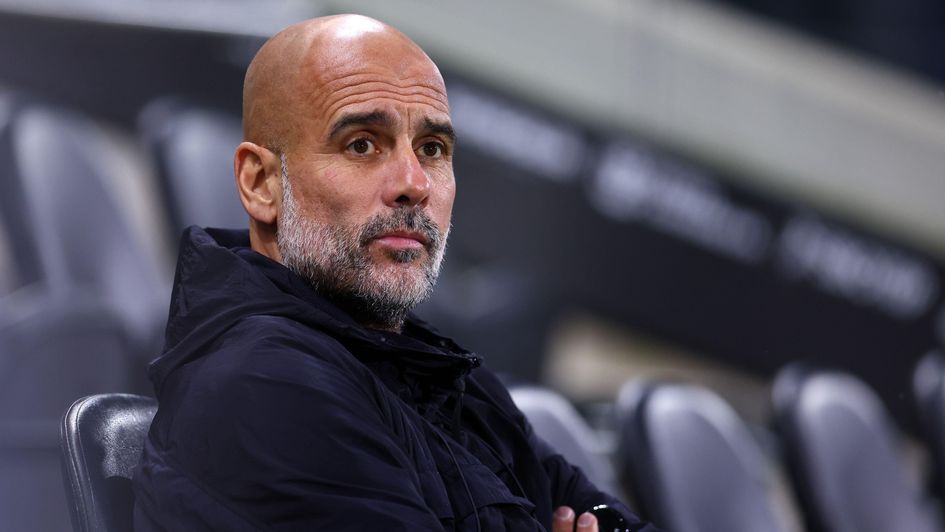
Pep Guardiola has a team of suits above him but they were handpicked for being his friends and confidantes. He is the most influential person at Man City.
Unai Emery is the most over-performing manager in the Premier League and he is also by far its most powerful one, having been handed Sir Alex Ferguson-levels of control over every facet of Aston Villa – right down to which smaller clubs to buy and which of his children to employ as goalkeepers.
Speaking of Ferguson, there are legitimate concerns about the power vacuum that long-term managerial departures can create without a corporate structure that sits above the head coach, with Man Utd’s post-Fergie years and Arsenal’s after Arsene Wenger helping to explain why we accepted the new order.
But the ongoing chaos at United, and the way Arteta won internal battles with since-departed executives, is a pretty emphatic rebuke to that theory.
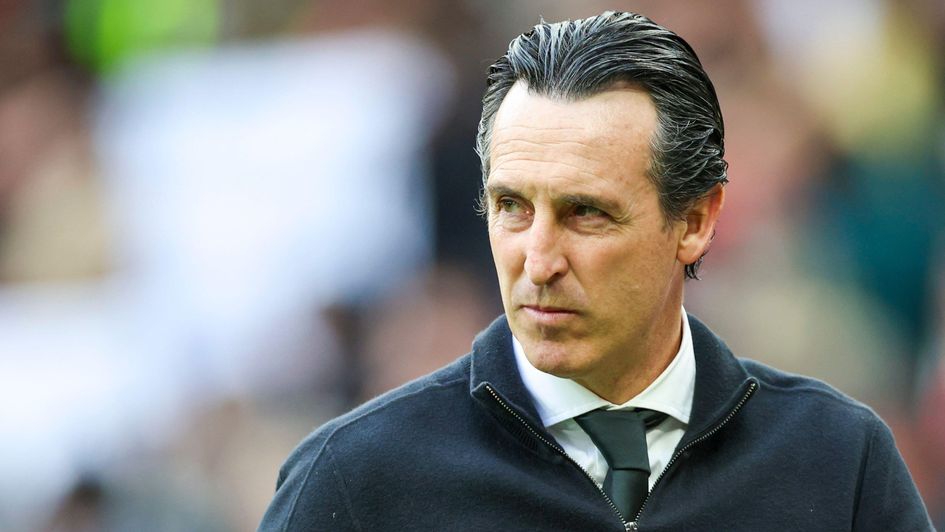
Internally, Villa’s reasoning for their current setup can effectively be boiled down to appreciating nobody at the club could possibly understand football as well as Emery. It is flawless logic - and the logic that ran the football industry for well over 100 years.
There is a lot of good sense in upwardly-mobile mid-tier clubs - who need to unearth gems and replace their headhunted managers - using the executives model, but at the superclub level all evidence of the past decade of English football tells us that transfer committees and executive appointments simply add more layers of bureaucracy.
The fact that sacking Amorim, who could easily and reasonably have gone much sooner, has turned into a blame game involving at least four other people working for Man Utd is convincing evidence.
The lesson for United should be to get rid of the politburo altogether and find their own Emery-like figure to build the club in their image.
But that would require middle managers voting to axe themselves; would require Ratcliffe applying the same rules to his cronies as the hundreds of low-level staff he made redundant last year.
No, more likely we will get deflection and obfuscation, more executives, more layers of bullshit, and another head coach dragged down by the melodrama.
More from Sporting Life
Safer gambling
We are committed in our support of safer gambling. Recommended bets are advised to over-18s and we strongly encourage readers to wager only what they can afford to lose.
If you are concerned about your gambling, please call the National Gambling Helpline / GamCare on 0808 8020 133.
Further support and information can be found at begambleaware.org and gamblingtherapy.org.