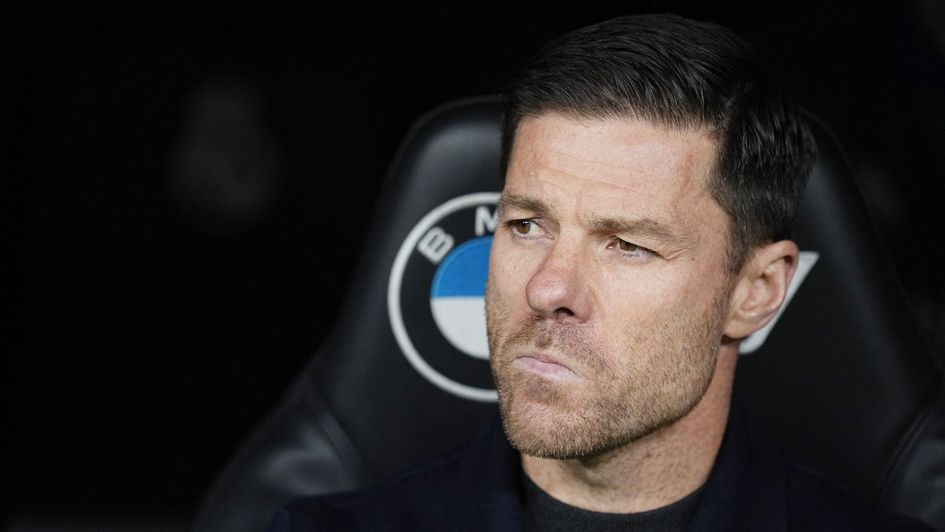
A club defined by extraordinary waste and mismanagement consigned rightly to a mid-table finish has hired the most sought-after coach in world football: it’s the coup of the century, maybe, or it’s a sign Xabi Alonso isn’t quite what he’s made out to be.
Alonso’s appointment signals a dramatic change in strategy from Chelsea, no matter how ardently the club insist Alonso simply aligned with their thinking.
You can brief journalists all you want. Alonso would not have taken the job – of ‘manager’, importantly, not ‘head coach’ – unless he was given assurances about a radical shake-up in transfer policy and a significant power shift away from the board.
Or at least, we think we know.

We assume that must be true, because everything we learnt about Alonso from his almost-invincible 2023/24 campaign with Bayer Leverkusen has held faster than what we might have gleaned from a disastrous six months at Real Madrid.
But before we anoint him as the next Pep Guardiola it’s important to digest the latest information we’ve received on Alonso’s mindset.
Whatever promises were made, the fact remains that Xabi Alonso has assessed his options and decided that his best chance of winning the Premier League is managing this Chelsea, the one that has burnt through four managers in four years of BlueCo ownership, the one that has burnt through £1.8 billion on players to move backwards.
What does that say about his judgement?
This is the same Alonso who turned down Liverpool after Jurgen Klopp resigned in favour of waiting for the Real job despite knowing Florentino Perez was the president and Kylian Mbappe would be there. Let’s just say that Alonso’s judgement has not been unimpeachable to date.
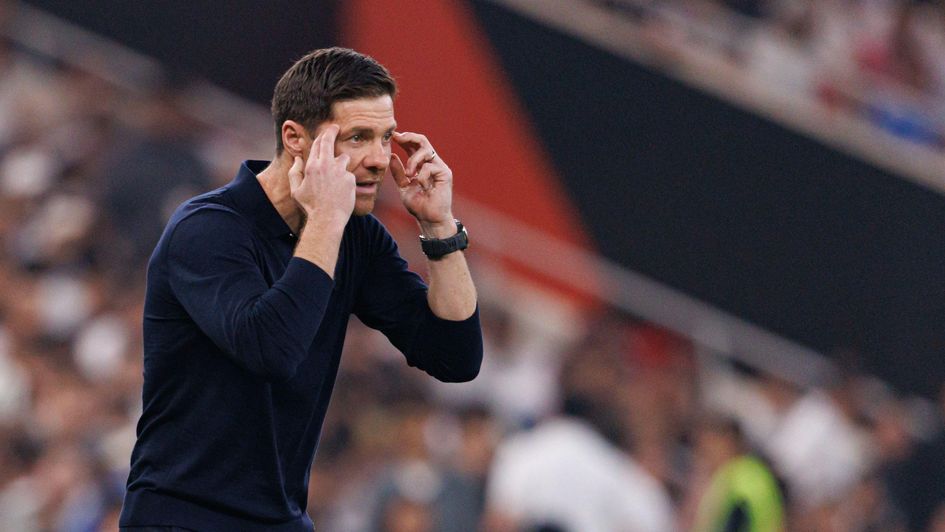
There’s a whiff of rebound about Alonso’s choice, the sense that the shock and pain of his Real Madrid spell has lurched him towards the polar opposite. Chelsea, like Leverkusen in 2023, are bouncing around outside the elite, and Alonso probably feels the comforting call of being able to build a club’s very foundations.
The rest of us see a basket case unable and unwilling to lay those foundations, unless Chelsea really are willing to change; unless the tech bros who swaggered into the club have shown unheard-of humility and decided to cede control of football operations to the new manager.
Even if they have, talk is cheap and billionaires have big egos. The real-world struggle to let go, to hand over the keys, could cause significant tension down the line.
It should worry Chelsea supporters that the club have gone out of their way to brief reporters that, no, actually, we haven’t made concessions to Alonso.
The power struggle may have already begun.

But if we choose to believe the new manager has total control then Alonso’s decision makes a lot more sense, because there is a core group at Chelsea who could form the basis of something special, should four of five players be added to the ranks this summer.
Alonso’s 3-4-2-1 formation relies upon extremely aggressive wing-backs like Jeremie Frimpong to provide creative width, central midfielders like Granit Xhaka to dictate the tempo and thread passes, and two number tens like Florian Wirtz to flit between the lines and drive at goal.
The football is about highly complex positional play, an asymmetrical shape, hard pressing, and possession domination.
In its basic principles it isn’t too far removed from Enzo Maresca, in fact, who also tended to set up in a 3-4-2-1 – often referred to as a ‘3-box-3’ – when Chelsea had possession, and who also gave ultra-detailed tactical instructions on precisely where each player should position themselves.
The players, on the whole, will respond well to the long sessions in the classroom, and certainly considerably more so than the Real Madrid players.
They might learn pretty fast, too.

Enzo Fernandez and Moises Caicedo fit the mould for all-action central midfielders with elegance in possession (as does Romeo Lavia). Cole Palmer fills the Wirtz hole exactly, while Estevao is tailor-made for an inside-forward role that compliments Palmer with his pace.
Marc Cucurella isn’t as attacking as Alex Grimaldo but he has the intelligence and versatility to thrive on the left, while new signing Geovany Quenda – converted from a tricky winger into a right wing-back by Ruben Amorim at Sporting – is perfect for the right flank.
Joao Pedro is the ideal linking number nine for Alonso’s football, while at the back Levi Colwill is the kind of centre-back you build a team around.
That’s eight of the first 11 already in place. Alonso might only need a new goalkeeper, two top centre-backs, and a couple of backup players (a striker and a number ten) to complete a squad he may feel is ready to challenge for the Premier League title right away, especially if Chelsea do not have European football next season.
Free midweeks, a brand new tactical system to surprise the Premier League, and three at the back: Chelsea fans are already comparing Alonso with Antonio Conte, who arrived in 2016/17 and promptly won the title in his debut season.
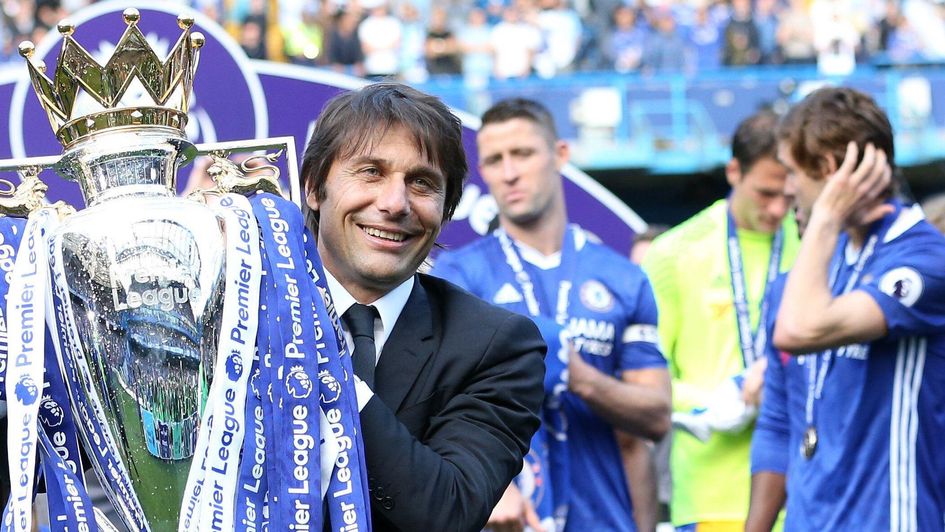
Alonso might be thinking about that too, but the rest of us should be a lot more cautious in our assessment, and not just because by nailing his colours to the BlueCo mast Alonso has told us something a little worrying about himself.
Conte arrived in England at a time when tactical analysis was miles behind mainland Europe. Alonso’s Leverkusen model will be pored over and deconstructed by every Premier League club.
They won’t be caught off-guard by what they find, they won’t be bamboozled by the 3-4-2-1 as Conte’s opponents were.
Right now, Alonso has the aura of someone we are yet to experience, onto whom we can project genius, colouring our capacity to question his logic in accepting the Chelsea job.
We are living in the delusion of Alonso as perfect, as saviour.
And if that sounds harsh, then consider this: not a single person out there appears to have realised that Alonso’s 3-4-2-1 is the exact same system that, just a few months ago, was universally condemned by the nation’s media.
Nobody has made the obvious connection between Ruben Amorim and Xabi Alonso. Yes, it’s a basic point, but not one without merit.
Alonso is tasked with disproving a theory that is so deeply embedded in English culture it seemed to poison the minds of the Manchester United players: that a back three just cannot work at the top end of the Premier League table.
And he is tasked with disproving it at a club that over the last four years have undeniably been the worst-run in the country.
Chelsea could not have made a better appointment, that much is true, and ceding power to a bright young manager is absolutely the right move; Alonso has a squad and a transfer budget that could feasibly give midweek-free Chelsea a shot at the Premier League title next season.
But that does not mean he is guaranteed to be a success.
Alonso’s desire to join Chelsea raised eyebrows. It’s hard to recall an example in English football history when that gut feeling – of confusion, of an impending culture clash – didn’t end in tears.
More from Sporting Life
Safer gambling
We are committed in our support of safer gambling. Recommended bets are advised to over-18s and we strongly encourage readers to wager only what they can afford to lose.
If you are concerned about your gambling, please call the National Gambling Helpline / GamCare on 0808 8020 133.
Further support and information can be found at begambleaware.org and gamblingtherapy.org.