Germany World Cup 2026: Squad, History & Betting Odds
Germany World Cup 2026 preparations are well underway as Die Mannschaft target a record-extending fifth world title on North American soil. All World Cup 2026 qualification has concluded, with the 48 qualified nations now confirmed, and Julian Nagelsmann's side enter the tournament among the established favourites after navigating European qualifying with relative comfort.
FIFA World Cup betting odds position Germany as serious contenders, typically priced between 7/1 and 9/1 across major operators. This reflects both their historical pedigree and the genuine quality within Nagelsmann's evolving squad, though questions remain about whether this generation can match the consistency of previous German tournaments.
World Cup betting offers surrounding Germany's campaign will likely centre on their group stage dominance, with bookmakers expected to price Die Mannschaft as heavy favourites in all three opening fixtures. Understanding Germany's tactical evolution under Nagelsmann, their squad depth, and realistic path through the knockout stages provides essential context for anyone considering FIFA World Cup 2026 betting markets.
This guide examines Germany's tournament prospects in detail, from squad composition and tactical approach through to historical context and the best betting angles across their group fixtures and potential knockout ties.
Sky Bet Exclusive
£50 in FREE BETS
CLAIM OFFER HERENew customers only. £10 minimum deposit. First single, e/w or multiples bet only. Odds of 1/1 or greater. 3 x £10 bet tokens for Football BuildABets only. 2 x £10 bet tokens for Football Accas only. Free bet stakes not included in returns. Free Bets are non-withdrawable. Free Bets expire after 7 days. Eligibility restrictions and further T&Cs apply.
Team Overview: Germany's World Cup 2026 Credentials
Current FIFA Ranking & Tournament Pedigree
Germany consistently rank among the world's top 10 nations and bring unmatched World Cup heritage to the 2026 tournament. Four previous world titles (1954, 1974, 1990, 2014) and eight final appearances represent a tournament record few nations approach. Only Brazil match Germany's four titles, whilst no European nation has won more.
The 2014 triumph in Brazil marked Germany's most recent success, though subsequent tournaments have produced mixed results. A group stage exit in 2018 represented one of the competition's biggest shocks, whilst a Round of 16 departure in 2022 underlined ongoing transition challenges. Germany have now failed to progress beyond the first knockout round in three consecutive major tournaments, a run that includes Euro 2024 on home soil.
This context makes 2026 particularly significant. Nagelsmann inherited a squad in flux but has implemented clear tactical principles and refreshed the playing pool with younger talent. The pressure to deliver remains intense, particularly given Germany's hosting of the 2024 European Championships showcased both the potential and limitations of this generation.
Manager & Tactical Style
Julian Nagelsmann assumed control in September 2023, becoming Germany's youngest-ever permanent manager at 36. His appointment followed a mixed spell under Hansi Flick and represented a calculated gamble on tactical innovation over conservative experience.
Nagelsmann typically deploys a 4-2-3-1 formation that emphasises positional fluidity and aggressive pressing. Germany build from the back through technically comfortable defenders, with fullbacks encouraged to invert or overlap depending on opposition structure. The double pivot provides both defensive security and progressive passing, whilst the attacking midfield trio rotate frequently to create overloads.
Set pieces receive particular attention under Nagelsmann, with Germany developing varied routines that exploit their aerial prowess whilst incorporating short combinations that stretch defensive lines. This represents a notable evolution from previous German sides that relied more heavily on direct delivery.
The manager's willingness to experiment has produced positive results through qualifying, though genuine tests against elite opposition remain limited. How Germany's expansive approach holds up against top-tier counterattacking sides will significantly influence their knockout stage prospects.
Squad Analysis: Germany's 2026 World Cup Pool
Key Players & Star Performers
Jamal Musiala stands as Germany's most influential attacking talent. The Bayern Munich playmaker combines exceptional close control with intelligent movement between lines, creating chances whilst maintaining defensive responsibility. His partnership with Florian Wirtz in the attacking midfield positions gives Germany genuine creative depth rarely seen in international football.
Joshua Kimmich anchors the midfield from right-back or defensive midfield depending on tactical requirements. His positional intelligence and passing range provide stability, though his lack of recovery pace can be exploited by rapid wingers. Kimmich's leadership grows increasingly important as Germany's squad transitions away from the 2014 generation.
Kai Havertz continues to divide opinion but offers genuine positional versatility. Whether deployed as a false nine, second striker, or attacking midfielder, his movement creates space for others whilst his finishing inconsistency frustrates. Nagelsmann appears committed to maximising Havertz's unique skillset rather than forcing him into rigid roles.
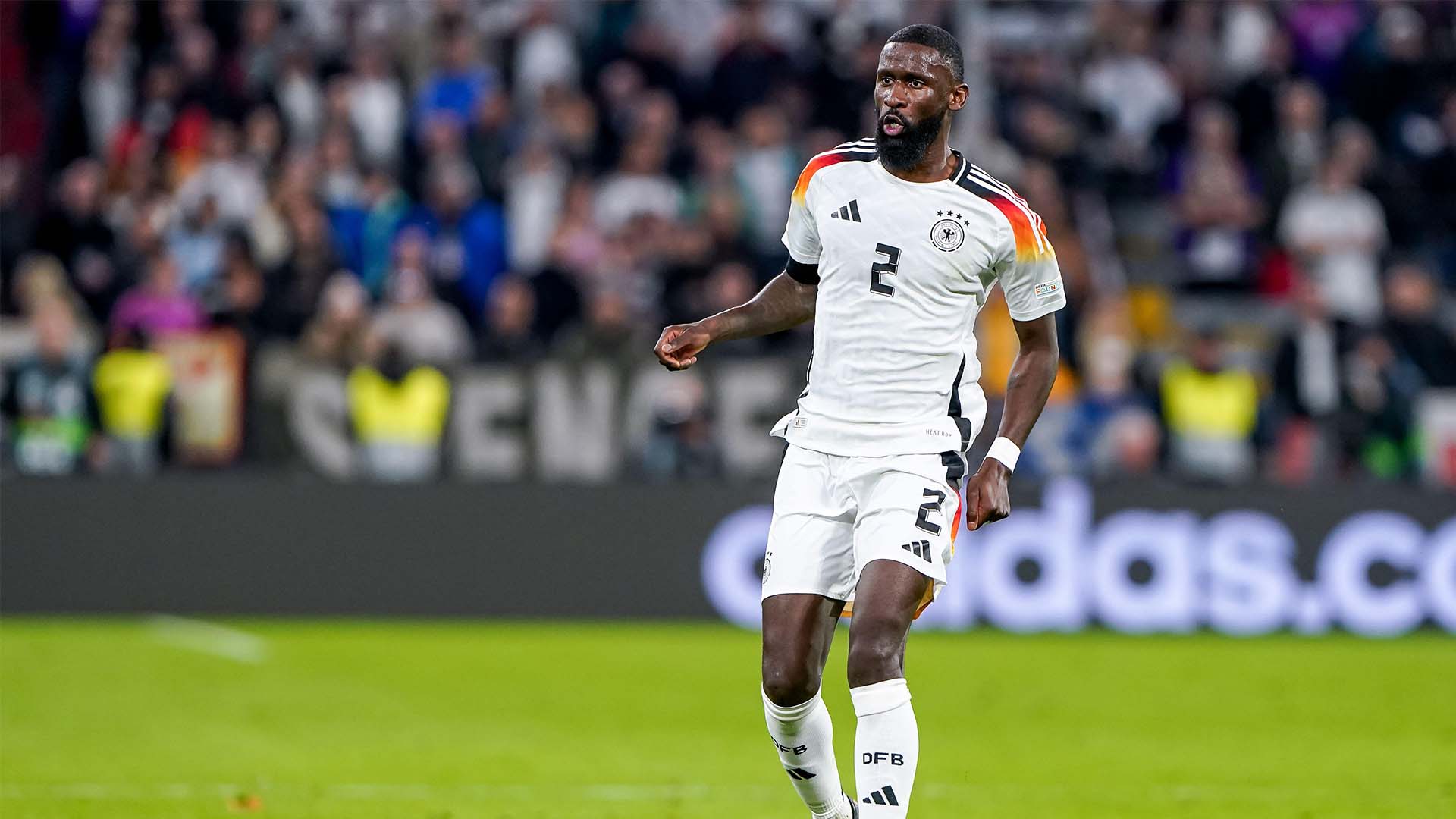
Defensively, Antonio Rüdiger brings World Cup-winning experience and physical presence. His partnership with Jonathan Tah has developed promisingly, offering a blend of aggression and composure that previous combinations lacked. Both defenders are comfortable receiving under pressure, essential for Nagelsmann's build-up principles.
Marc-André ter Stegen finally assumes the number one jersey after years understudying Manuel Neuer. His shot-stopping remains excellent whilst his distribution suits Germany's possession approach. Questions about tournament mentality persist given limited major competition starts, but qualifying performances suggest readiness for the responsibility.
Germany's Likely Starting XI
Nagelsmann's preferred lineup balances experience with emerging talent:
Ter Stegen in goal, protected by a back four of Kimmich, Rüdiger, Tah, and Raum. The double pivot features Kroos (if available) alongside Andrich or Groß, with Musiala and Wirtz flanking Havertz in attacking midfield. Füllkrug leads the line when direct presence is required, though Havertz often assumes the false nine role.
Tactical flexibility allows Nagelsmann to shift formations mid-match. The 4-2-3-1 can become a 3-2-5 in possession, with Kimmich tucking inside whilst Raum pushes forward. Against stronger opposition, Germany may adopt a more conservative 4-3-3, sacrificing one attacking midfielder for additional midfield solidity.
Squad Strengths & Weaknesses
Germany's primary strength lies in technical quality across the pitch. Few international squads can match their passing accuracy and positional discipline, making them exceptionally difficult to press effectively. The emergence of Musiala and Wirtz as world-class creators gives Germany multiple paths to goal, reducing reliance on any single attacking focal point.
Set-piece prowess represents another major asset. Germany's aerial dominance from corners and free-kicks consistently produces goals, whilst their organisation defending set pieces has tightened considerably under Nagelsmann. Tournament football often turns on dead-ball situations, an area where Germany hold genuine advantage.
Weaknesses remain exploitable. Full-back depth lacks elite quality beyond the starting pair, creating vulnerability if injuries occur. Germany's high defensive line can be exposed by rapid counter-attacks, particularly against teams comfortable absorbing pressure. The striker position also presents questions, with no established world-class finisher since Miroslav Klose retired.
Tournament endurance represents another concern. Germany's recent tendency to start major competitions strongly before fading suggests conditioning or squad rotation issues. Whether Nagelsmann can manage player workloads effectively across a gruelling North American schedule may determine how far this squad progresses.
PADDY POWER OFFER!
Get £50 in Bet Builder Bets
CLAIM THIS OFFER HERENew Customer offer. Place a min £10 bet on Football on odds of min 1.5 (1/2), get £50 in Free Bet Builders after the qualifying bet has been settled. Rewards valid for 90 days. Only deposits via Pay by Bank, cards & Apple Pay will qualify. T&Cs apply. Please Gamble Responsibly.
Qualification Journey: Germany's Path to 2026
How Germany Qualified
Germany progressed through UEFA qualifying with minimal drama, topping their group ahead of Poland and Austria. The expanded World Cup format made qualification almost certain for a nation of Germany's standing, though performances still provided useful preparation for the tournament proper.
Die Mannschaft won eight of ten qualifiers, drawing twice but never losing. Their goal difference of plus-24 underlined offensive quality, though several narrow victories against weaker opposition suggested ongoing efficiency issues. Away wins in traditionally difficult venues demonstrated improved mental resilience compared to previous cycles.
Nagelsmann rotated his squad extensively through qualifying, using the matches to assess fringe players and embed tactical principles. This approach occasionally produced disjointed performances but provided valuable data about squad depth and positional competition.
Form During Qualifiers & Recent Results
Germany scored 32 goals across their qualifying campaign, the highest total in European qualifying. Musiala contributed six goals and five assists, showcasing his development into a genuine match-winner. Set pieces accounted for roughly 30% of Germany's goals, validating Nagelsmann's emphasis on dead-ball routines.
Defensively, Germany conceded just eight times through qualifying, though several goals resulted from individual errors rather than systematic weaknesses. The improved organisation compared to 2022 suggests Nagelsmann's defensive principles are taking hold, though tougher opposition will provide more conclusive evidence.
Recent friendlies have produced mixed results. Germany defeated France 2-1 in a high-quality encounter that demonstrated their capacity to compete with elite sides. A subsequent draw against Ukraine highlighted persistent issues converting possession into clear chances against organised defensive blocks.
The overall trend points toward improvement without definitive evidence that Germany have resolved all weaknesses from recent tournament disappointments. Their qualifying campaign was professional rather than dominant, exactly what the situation required.
Group Stage Analysis: Germany's 2026 World Cup Group
Group Assignment & Opponents Overview
Germany drew Group B alongside Ecuador, Côte d'Ivoire, and Curaçao. This represents a relatively favourable draw, with Germany expected to progress as group winners barring significant upsets. The real competition centres on securing top spot efficiently whilst building tournament momentum.
Ecuador qualified comfortably from CONMEBOL, finishing fourth in the South American standings. Their direct qualification without playoff involvement underlines genuine quality, particularly their compact defensive organisation and effectiveness on the counter-attack. Ecuador traditionally perform strongly in World Cup tournaments, making them Germany's most credible group threat.
Côte d'Ivoire return to the World Cup stage after missing 2022. Their African qualifying campaign showcased both attacking flair and defensive fragility, producing high-scoring matches throughout. The Ivorians possess individual talent capable of troubling any opponent but lack the tactical discipline to consistently challenge elite teams over 90 minutes.
Curaçao represents the group's clear outsider, having qualified through CONCACAF qualifying as one of the tournament's surprise packages. Their maiden World Cup appearance comes without expectation, though tournament football occasionally produces unlikely results. Germany should have sufficient quality to navigate this fixture comfortably, but complacency could prove costly.
Germany's Group Fixtures & Schedule
Match 1: Germany vs Curaçao – 14 June – Houston Stadium – 18:00 UK time
Match Result: Germany 7-1 Curaçao (14 June 2026)
Germany launched their World Cup 2026 campaign in devastating fashion, dismantling tournament debutants Curaçao 7-1 at NRG Stadium in Houston to become the all-time leading scorers in FIFA World Cup history. The four-time champions' seventh goal took their overall tally to 239, surpassing Brazil's previous record of 238.
Felix Nmecha opened the scoring after just six minutes with a precise finish following a slick one-two with Florian Wirtz—the quickest goal by a Germany player on their first World Cup start since Philipp Lahm against Costa Rica in 2006. However, the smallest nation ever to appear at a World Cup provided a moment of history when Livano Comenencia equalised in the 21st minute, his deflected effort sparking jubilant scenes among the Caribbean contingent in the 68,021 crowd.
The levity was short-lived. Nico Schlotterbeck restored Germany's lead with a header from Nathaniel Brown's corner before Kai Havertz converted a penalty on the stroke of half-time after Riechedly Bazoer fouled Nmecha in the box. Germany had registered 16 first-half shots—the most by any team in the opening 45 minutes of a World Cup match since Ivory Coast against Serbia in 2006.
Jamal Musiala extended the lead two minutes after the restart, before Brown marked his World Cup debut with a stunning volleyed finish. Substitute Deniz Undav added a sixth, and Havertz completed his brace with a delicate chip to seal a familiar scoreline for German football. The Man of the Match finished the day with goals in three consecutive Germany appearances.
Nagelsmann was satisfied: "We really needed this convincing win. We needed this self-confidence. It was there but it definitely grew." Curaçao's Jearl Margaritha reflected on their historic goal: "It felt like it was all of us, the whole island. We screamed our lungs out."
Germany top Group E and face Ivory Coast next, while Curaçao meet Ecuador looking to recover from their heaviest defeat by a debuting nation since South Korea beat Hungary 9-0 in 1954.
Match 2: Germany vs Ivory Coast – 20 June – Toronto Stadium – 21:00 UK time
Match 2 Result: Germany 2-1 Ivory Coast (20 June 2026)
Germany secured their place in the World Cup 2026 knockout stages with a dramatic late comeback, defeating Ivory Coast 2-1 at BMO Field in Toronto thanks to a Deniz Undav brace from the substitutes' bench.
After demolishing Curaçao 7-1 in their opener, Julian Nagelsmann's side were expected to cruise past the African champions. Instead, they found themselves trailing at half-time after Franck Kessié capitalised on a moment of brilliance from Liverpool target Yan Diomande, whose burst of pace down the left and dangerous cross eventually fell to the Ivory Coast captain to stab home in the 30th minute.
Germany had the ball in the net twice in the first half through Aleksandar Pavlovic and Kai Havertz, but both efforts were ruled out for fouls. Ivory Coast were full value for their lead and started the second half strongly, with Christ Inao Oulaï and Diomande both spurning presentable chances to double the advantage.
Nagelsmann rolled the dice on the hour mark with a triple substitution, introducing Nadiem Amiri, Jamie Leweling, and Undav. The changes proved inspired. In the 68th minute, Amiri was afforded too much time on the right and delivered a wonderful curling cross that Undav met with a controlled volley to level the scores.
A frantic finale saw Simon Adingra waste an excellent chance for Ivory Coast, while goalkeeper Yahia Fofana denied both Nathaniel Brown and Amiri. Then, in the 94th minute, Felix Nmecha played a precise pass into Undav, who controlled and fired home to spark wild German celebrations.
Undav's match-winning double takes him to nine goals in just 11 appearances for Germany and makes him the joint-top scorer at this World Cup. The late bloomer, who made his senior debut at 27, is emerging as Die Mannschaft's real difference-maker.
Germany top Group E with six points and a +7 goal difference. They face Ecuador in their final group match, while Ivory Coast—who beat Ecuador in their opener—still have work to do to secure qualification.
Match 3: Germany vs Ecuador – 25 June – New York New Jersey Stadium – 21:00 UK time
Germany conclude their group campaign against Ecuador. This fixture may well determine the group winner, assuming both teams have already secured qualification. How Germany approach this match – whether prioritising victory or managing workloads – could influence their knockout stage trajectory.
The five-day gap between matches two and three represents standard tournament scheduling. Germany's squad depth should allow Nagelsmann to rotate personnel without sacrificing performance quality, potentially giving them a freshness advantage in the knockout rounds.
Germany's Group Stage Qualification Chances
Germany should progress from this group with minimum difficulty. Bookmakers typically price Germany as prohibitive favourites to win all three group matches, with combined odds suggesting approximately 65-70% probability of maximum points. Even allowing for unexpected results, qualification appears near certain.
The more pertinent question concerns group performance setting tournament tone. Germany's tendency to start major competitions strongly before encountering knockout stage difficulties suggests the group stage may provide false confidence. Alternatively, smooth progression could build genuine momentum that carries into the business end of the tournament.
Ecuador represents the likeliest source of dropped points. Their defensive solidity and counter-attacking threat could frustrate Germany if Die Mannschaft approach the fixture too casually. A draw in the final group match wouldn't materially damage Germany's knockout prospects but might indicate unresolved tactical issues against compact defensive blocks.
Tournament Odds & Betting Markets
Outright Winner & Major Tournament Odds
Germany's FIFA World Cup 2026 betting odds position them among the established favourites without making them the market leader. Sky Bet typically prices Germany around 8/1 to lift the trophy, with Paddy Power and Betfair offering similar assessments between 7/1 and 9/1 depending on market movement.
These odds reflect bookmaker uncertainty about Germany's true tournament level. Their historical pedigree and squad quality justify inclusion among the leading contenders, yet recent major tournament failures create legitimate doubt about whether this generation can deliver when elimination pressure intensifies.
Germany's odds to reach the final typically sit around 4/1, implying roughly 20% probability. This represents more attractive value than the outright market, acknowledging that knockout football often turns on fine margins where Germany's experience and tactical flexibility become decisive advantages. Reaching the final requires four knockout wins, a challenging but achievable target for a squad of this quality.
Semi-final odds offer shorter prices still, usually around 2/1 or 9/4. These markets effectively price Germany as strong favourites to progress from their group and win their Round of 32 match, with roughly even-money probability of advancing from the quarter-finals. This assessment appears broadly accurate given likely knockout opponents.
Group Winner & Qualification Markets
Germany's price to win Group B ranges from 1/3 to 2/5 across major operators. These odds imply approximately 70-75% probability, reflecting bookmaker confidence without offering particular value to bettors. The more interesting angle explores Germany's margin of victory or whether they secure maximum points.
Germany to win all three group matches typically prices around 6/4 or 13/8, suggesting bookmakers assess roughly 35-40% probability of this outcome. Ecuador's quality makes perfect group records uncertain, though Germany's squad depth and tactical superiority should prove decisive across three matches.
Top goalscorer markets within Germany's squad offer alternative betting angles. Kai Havertz typically leads the market around 7/2 or 4/1, though his inconsistent finishing record creates doubt. Jamal Musiala represents more appealing value at longer odds, given his increasing responsibility for Germany's creative output often translates into goals and assists.
Dark Horse & Value Assessment
Germany's tournament odds reflect appropriate probability rather than offering standout value. Their price acknowledges both genuine quality and legitimate questions about knockout stage resilience. Bettors seeking value might consider Germany in match-specific markets where their tactical approach exploits particular opponents rather than backing tournament-long positions.
The semi-final market presents marginally more appeal than the outright winner odds. Germany possess sufficient quality to navigate through the Round of 32 and Round of 16, where their likely opponents rarely match their tournament experience. The quarter-final represents their genuine test, but even-money progression from that stage appears reasonable given Nagelsmann's tactical flexibility.
Betfair NEW CUSTOMER Offer
BET £10 GET £50 IN FREE BETS
Claim Offer HerePlace a min £10 bet on Sportsbook on odds of min EVS (2.0), get 5x £10 in Free Bet Builders, Accumulators or multiples to use on any sport. Rewards valid for 30 days. Only deposits via Pay by Bank, Apple Pay or Debit Card will qualify. T&Cs apply. Please Gamble Responsibly.
Betting Markets & Tips for Germany
Best Bets for Germany's World Cup Campaign
Germany's group stage matches offer the most straightforward betting angles. Their opening fixture against Curaçao should produce a comfortable victory, with Germany to win to nil priced around 8/11 at most operators. This represents limited value given the short odds, but combining this selection with other group favourites in similar positions could produce viable accumulator returns.
The match against Ecuador provides more interesting tactical angles. Both teams defend competently and possess quality in transition, suggesting a tighter contest than the opening two fixtures. Germany to win 1-0 or 2-1 typically prices around 11/2 and 6/1 respectively, offering reasonable returns if Nagelsmann's side approach the match cautiously to secure top spot whilst preserving energy.
Germany's set-piece prowess creates opportunities in goal method markets. Germany to score from a corner or free-kick often prices around 6/4 across tournament matches, though this varies by opponent. Against teams that defend deep and concede numerous set pieces, this market offers genuine appeal given Nagelsmann's emphasis on dead-ball routines.
Germany Group Stage Predictions
Match 1: Germany vs Curaçao
Germany should win this fixture comfortably, likely by three or four goals. Curaçao will defend deep and attempt to limit damage, but the quality gap should prove insurmountable. Germany 4-0 represents a realistic scoreline, with Musiala and Wirtz both likely to register goal contributions.
The first-half handicap market may offer value, with Germany to lead by two or more goals at half-time typically priced around 7/4. Nagelsmann's sides often start matches aggressively, attempting to establish control early. Against weaker opposition, this approach frequently produces multiple first-half goals.
Match 2: Germany vs Côte d'Ivoire
This fixture should produce goals at both ends. Côte d'Ivoire attack with genuine intent and possess the individual quality to trouble Germany's defence, whilst their own defensive organisation remains suspect. Germany to win 3-1 or 3-2 offers appeal around 10/1 and 16/1 respectively.
Both teams to score looks strongly fancied around 4/6 or 8/11. Germany may concede from a set piece or counter-attack whilst dominating possession, creating exactly the scenario this market requires. The Ivorians rarely produce scoreless matches, making this one of the more confident group stage predictions.
Match 3: Germany vs Ecuador
Ecuador's defensive solidity could frustrate Germany, particularly if both teams have already secured qualification. Under 2.5 total goals appeals at even-money or slightly longer, given neither side may push aggressively for victory. Ecuador defend set pieces effectively and rarely concede multiple goals per match.
Germany to win 1-0 represents viable value around 11/2, particularly if Nagelsmann rotates his attacking options to manage workloads. Ecuador lack the firepower to trouble Germany consistently, whilst Die Mannschaft possess sufficient quality to find one breakthrough goal even against organised defence.
Player Markets & Germany Betting Tips
Jamal Musiala offers appeal in various player markets. His price to score in each group match typically ranges from 13/8 to 2/1 depending on opponent, reflecting his increasing goal threat. Musiala to score two or more tournament goals usually prices around 6/4, offering reasonable value given his central role in Germany's attacking play.
Joshua Kimmich in the assists market presents another angle. His set-piece delivery consistently creates chances, whilst his general passing range provides numerous scoring opportunities for teammates. Kimmich to register three or more tournament assists typically prices around 5/2, though this requires Germany to progress deep into the knockout stages.
Germany top tournament goalscorer betting offers minimal value given the competitive market. Havertz leads around 7/2, but his inconsistent finishing creates doubt. Füllkrug represents an alternative around 5/1, though he may not start every match. Musiala at 6/1 or 7/1 appears the most appealing option, combining regular starts with increasing goal productivity.
Historical Context & Tournament Pedigree
Germany's Previous World Cup Performances
Germany's World Cup history reads like a tournament handbook of consistent excellence. Eight final appearances across 20 tournaments represent an extraordinary strike rate, with only Brazil matching their overall success. The 1954 triumph, immortalised as the "Miracle of Bern", established Germany as a world football power despite post-war challenges.
The 1974 victory on home soil showcased total football principles, with Franz Beckenbauer orchestrating from sweeper. West Germany's 1990 success in Italy marked their third title, whilst the 2014 victory in Brazil represented their first as a unified nation. Each triumph featured different tactical approaches, underlining Germany's capacity to evolve whilst maintaining core footballing principles.
Recent tournaments have produced more mixed results. The 2018 group stage exit shocked global football, as defending champions Germany finished bottom of their group. A Round of 16 defeat to England in 2022 continued the pattern of early exits, creating genuine questions about whether German football's traditional strengths remain relevant in modern international competition.
This historical context makes 2026 particularly significant. Germany need a deep tournament run to restore their reputation as consistent contenders. Anything less than a quarter-final appearance would represent failure given their squad quality, whilst reaching the semi-finals should be considered the minimum target for a nation of their pedigree.
Head-to-Head Records vs Group Opponents
Germany have never previously faced Curaçao in competitive football. The Caribbean nation's World Cup debut means no historical reference points exist, though the quality gap suggests previous meetings would have produced comfortable German victories. This fixture represents a genuine unknown for statisticians and bettors alike.
Côte d'Ivoire have met Germany once previously, a 2-2 friendly draw in 2006 that provided limited tactical insight. The Ivorians fielded a strong squad featuring Didier Drogba, suggesting they possess the quality to trouble Germany when motivated. The historical record offers minimal predictive value given both squads have changed entirely since that encounter.
Germany and Ecuador have met three times previously, with Germany winning two matches and drawing once. Their most recent meeting came in 2018, with Germany prevailing 3-0 in a pre-World Cup friendly. Ecuador's consistent World Cup qualification suggests they represent credible opposition despite the historical deficit, making their group stage encounter particularly interesting.
Overall, Germany's lack of extensive history against their group opponents removes one traditional betting angle. Form and tactical analysis matter more than historical head-to-head records when assessing likely outcomes, particularly given squad turnover since previous encounters.
Tournament Traditions & Narrative Context
Germany traditionally excel in knockout football, where their tournament experience and mental resilience become decisive factors. However, recent tournaments have challenged this narrative, with Germany failing to navigate the first knockout round in 2018 (group stage), 2020 (Round of 16), 2022 (Round of 16), and 2024 (quarter-finals).
This pattern suggests systemic issues beyond individual matches. Whether psychological fragility, tactical inflexibility, or squad depth limitations cause these recurring failures remains debated. Nagelsmann's appointment partially addresses tactical concerns, though resolving mental obstacles requires evidence only tournament football provides.
German football's traditional strengths – organisation, physicality, set-piece prowess – remain relevant in 2026. The addition of technical creativity through Musiala and Wirtz potentially gives this squad advantages previous generations lacked. Whether combining traditional strengths with modern attacking fluidity produces tournament success represents Germany's central tactical question.
The North American tournament format may suit Germany better than compact European competitions. The expanded 48-team structure creates additional recovery time between matches, potentially favouring squads with superior depth. Germany's rotation options exceed most nations', making the format change a potential competitive advantage.
Links & Further Reading
For comprehensive coverage of all qualified nations, tournament structure, and betting markets, visit our main 2026 World Cup Teams Guide: All 48 Squads, Groups & Betting Odds hub page.
Additional Germany-focused content includes detailed player profiles, match-by-match previews as fixtures approach, and Group B analysis comparing all four teams' prospects. These resources provide deeper tactical insight and betting angles as the tournament draws closer.
Football betting offers across major operators consistently feature World Cup markets, with enhanced odds, free bet promotions, and accumulator bonuses typically available through the tournament. Comparing offers across Sky Bet, Paddy Power, and Betfair ensures you access the most competitive prices on Germany's matches.
World Cup free bets provide opportunities to explore various betting markets without immediate financial risk. These offers typically require qualifying bets on specific markets, with terms and conditions varying by operator. Understanding offer structures maximises value whilst maintaining responsible betting practices.
Germany's World Cup 2026 campaign offers numerous betting angles, from straightforward group stage victories through to nuanced player and method markets. Their squad quality justifies favouritism whilst recent tournament struggles create uncertainty that manifests in their odds. Whether this generation can finally deliver on their undeniable potential remains the tournament's most compelling German narrative.
.jpg)
.jpg)
.jpg)
.jpg)
.jpg)